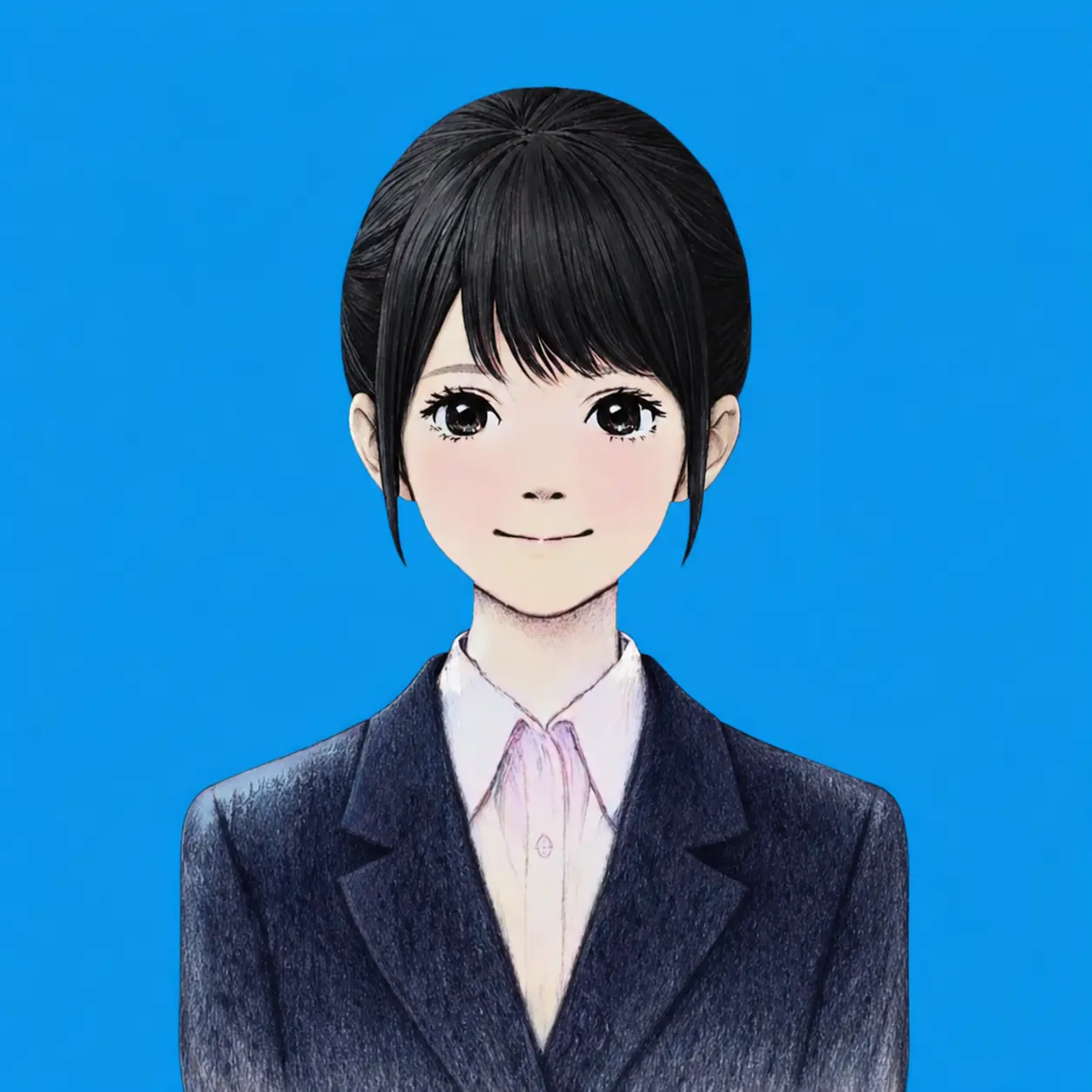
護国守澄:向上にいつまでもしがみつくのは赤っ恥
従容録 第二十八則 護国三懡
舉。僧問護國。鶴立枯松時如何。[歩歩登高易]
國云。地下底一場懡㦬[心心放下難]
僧云。滴水滴凍時如何。[法身無被不禁寒]
國云。日出後一場懡㦬。[雪消露出死人來]
僧云。會昌沙汰時。護法善神向什麼處去也。[點即不到]
國云。三門頭兩箇一場懡㦬。[到即不點]
従容録 第二十八則 護国三懡 白文
擧(こ)す。僧(そう)、護國(ごこく)に問(と)う。鶴(つる)、枯松(こしょう)に立(た)つ時(とき)如何(いかん)。〔歩歩(ほほ)高(たか)きに登(のぼ)ることは易(やす)く〕 國(こく)云(い)わく、地下底(ちげてい)一場(いちじょう)の懡㦬(もら)。〔心心(しんしん)放下(ほうげ)することは難(かた)し〕 僧(そう)云(い)わく、滴水滴凍(てきすいてきとう)の時(とき)如何(いかん)。〔法身(ほっしん)、被(ひ)すること無(の)うして寒(かん)に禁(た)えず〕 國(こく)云(い)わく、日(ひ)出(い)でて後(のち)一場(いちじょう)の懡㦬(もら)。〔雪(ゆき)消(き)えて死人(しにん)を露出(ろしゅつ)し來(きた)る〕 僧(そう)云(い)わく、會昌(かいしょう)沙汰(さた)の時(とき)、護法(ごほう)善神(ぜんじん)は什麼(なん)の處(ところ)に向(むか)って去(き)りしや。〔點(てん)すれば即(すなは)ち到(いた)らず〕 國(こく)云(い)わく、三門頭(さんもんとう)の兩箇(りょうこ)一場(いちじょう)の懡㦬(もら)。〔到(いた)れば即(すなは)ち點(てん)ぜず〕
従容録 第二十八則 護国三懡 書き下し文
擧す。僧が護国和尚に尋ねた。
僧:鶴が枯れた松の上に立っているときはどうか。[一歩一歩、高みへと登っていくことは易しい]
護国:地の底で一場の面目丸つぶれ。[一心に投げ捨てて足元へ下り立つことは難しい]
僧:一滴の水が滴るそばから凍りつくときはどうか。 [法身には羽織る衣がないので、寒さに耐えることができない]
護国:日が昇った後は、一場の面目丸つぶれ。 [雪が消え解ければ、隠れていた死人が露わになって出てくる]
僧:会昌の廃仏の時、護法善神はどこへ行っていたのか。[点を打とうとすれば、真理の実相には到らない]
護国:山門の頭に立つ二体(仁王像)こそ、一場の面目丸つぶれ。 [到っていれば、もはや点を打つ必要もない。]
従容録 第二十八則 護国三懡 現代語訳
用語集:本記事で使われる仏教・禅の用語とは?
- 護国三懡(護國三懡/ごこく さんも):護国が僧の投じた三つの問いを一蹴する公案。
- 鶴立枯松(つるこしょうにたつ):枯れた松の木のてっぺんに純白の鶴が悠然と立っている姿。高潔・清浄な境界や「向上一義(悟りの境地)」の象徴。
- 向上(こうじょう):すべての区別を超越した絶対的な平等の世界(悟りの境地)向かい、さらにはそれを超えていくはたらきを指す。
- 滴水滴凍(てきすいてきとう):一滴の水が滴り落ちるそばから瞬時に凍りつく様子。間髪を入れざる切迫した様子や、極度の静寂・不動の境界、寸分の分別思慮も挟めない超絶した向上・絶対の境界を象徴する言葉。
- 一場懡㦬(いちじょう もら):懡㦬とは、梵語か古代中国語かはっきりしていないが、恥辱という意味がある。一場懡㦬とは、すっかり面目を失うことや、大恥をかくことという意味。
- 会昌の廃仏(かいしょうのはいぶつ):第十五代皇帝武宗の起こした仏教弾圧。武宗没後の第十六代皇帝宣宗帝は自身の修行経験から仏教を復興している。
- 仁王(におう/金剛力士):山門の両脇に安置される守護の鬼神。口を開く像と閉じる像で「阿吽」を表す。
- 二見対待(にけん たいだい):物事を二つに分けて対比的に捉える見方。
- 面目:面目は、一般社会での常用語では、体面・名誉・世間体・見栄を表すが、禅語では、世間体や見栄といった虚飾を一切脱ぎ捨てた真実の姿(自己の本質・仏性)を指す。
- 本来の面目(ほんらいのめんもく):社会的役割、他者の評価、言語的ラベルなどの後天的な人為的装飾をすべて削ぎ落とした、人間が生まれながらに備えている、ありのままの純粋な本質的な自己。
護国三懡の登場人物とは?:護国守澄
要点:登場人物は護国守澄と一人の無名僧。
今回の則では、ある僧が護国守澄(ごこく しゅちょう)に挑む。
護国守澄とは?:思い込みを一蹴する毒舌禅師
法系図
時系列
松上の鶴と懡㦬一場とは?:向上にしがみつく面目の象徴
要点:ある僧は護国守澄に第一問として「鶴が枯れた松の上に立っているときはどうか。」と問うた。この僧は高みにしがみついてしまっている。護国は「地の底で一場の面目丸つぶれ。」と答えた。高みへと上っていくよりも、そこから降りることのほうが難しい。
それでは本則に入ろう。ある僧が、護国守澄に、「鶴が枯れた松の上に立っているとき(高潔・清浄な境界)はどうか。」と問うと、護国は「地の底で一場の面目丸つぶれ。」と答えたという。枯れた松の木のてっぺんに、鶴が悠然と羽を休めている。これは目が醒めるような存在だ。しかし、見上げた目をその松の下に落として一見したらどうか。そこには見る影もない汚い地面。それも鶴の糞の山盛りだったとしたら、とんでもない恥さらしだ(懡㦬一場)というのが、この一問一答だ。
枯松に鶴というのは、向上一義を象徴している。その向上一義とはなにかを参究する問いなので、護国に挑戦したこの僧は、力量のある僧だ。
万松によると、松上の鶴というのは、洞山良价の『玄中銘』に、「峰巒秀異、鶴不停機。靈木迢然、鳳無依倚」という一文があるから、この僧は、それを引用して、悟りの境地にありついたところを鼻先にぶらさげて挑戦したのではないかと指摘している。
だから、護国は「松上の鶴は立派だが、この下の地面を見ろ、とんだ恥さらしだ」と笑殺し去ったのではないか、というわけだ。
万松行秀は、僧へは[一歩一歩、高みへと登っていくことは易しい(歩歩登高易)]とコメントし、護国へは[(高遠な境地への執着を)一心に投げ捨てて足元へ下り立つことは難しい(心心放下難)]とコメントしている。これは雲門文偃の「歩歩登高 不解從空放下(ただ歩々高きに登ることのみを解して、空より放下しることを解せず)」という一言の語句を二つに分けて使っている(雲門匡眞禪師廣録 卷中(No. 1988 守堅集) in Vol. 47)。
『徒然草』に、ある植木屋の職人が、高い木の頂上で仕事をしているのを、下からじっと監視していた親方が、終始黙って何も言わなかったが、職人が仕事を終えて降りかけた、あと少しで地面に飛び降りることもできそうなところへくると「危ないぞ、気をつけろ」と注意した。
兼好法師がわけを尋ねると、親方は「高いところは本当に危ないので、本人は一生懸命気を配るのだが、下へ下りかける時に、もう大丈夫だと安心してよく怪我をすることが多いのだ」と言ったという。
兼好法師はえらく感心してしまった。一歩一歩高く登るのは骨が折れるといってもまだ易しいが、上り詰めてから下に向かうと目がくらむようで危険だということだ。禅の向上のはたらきと、向下放行のはたらきも、これと同じようだ(徒然草 第百九段)。
滴水滴凍とは?:これもまた向上にしがみつく面目の象徴
要点:ある僧は第二問として「一滴の水が滴るそばから凍りつくときはどうか。」と言った。僧は高みにしがみついてしまっている。護国はまた「日が昇った後は、一場の面目丸つぶれ。」と言った。
また僧が「一滴の水が滴るそばから凍りつくとき(極度の静寂・不動の境界)はどうか。」といった。これは、さっきの僧侶の問いとは別の僧の話だ、と見る人もいるが、万松は、同じ僧だとしている。それで、滴水滴凍とは、水が点々と滴る間に凍ってしまう、すなわち間髪を入れざる様子で、向上の一機、電光石火、寸分の分別思慮のすきがない様子をいう。この僧は、第一問において松の枯木を持ち出し、その上に純白の鶴を点じたが、地下底一場の懡㦬だと一蹴されたので、向上のさらに向上一番をして、何とも言句思量の及ばない超絶の第二問を試みた。万松はこれは[法身(真理の本体)には羽織る衣がないので、寒さに耐えることができない]と冷やかした。智慧の光明のない滴水滴凍の法身仏、さぞ寒くて凍えているだろう、という意味だ。
護国はまたしても「日が昇った後は、一場の面目丸つぶれ。」と言った。いかに固く凍りついても、太陽がひとたび出て熱を加えたら、だらだらと溶け崩れて、滴水滴凍も幻滅だ、[(陽光によって)雪が消え解ければ、隠れていた死人が露わになって出てくる]の醜態になるだろう。これもまたとんだ恥さらしだ、と護国は第二問も一蹴してしまった。
会昌の廃仏時の護法善神とは?:聖にしがみつく面目の象徴
要点:ある僧は第三問として「会昌の沙汰の時、護法善神はどこへ行っていたのか。」と言った。僧は聖と凡の二見対待に陥ってしまっている。またしても護国は「三門の頭に立つ二体こそ、一場の面目丸つぶれ。」と一蹴してしまった。
「会昌の沙汰の時、護法善神はどこへ行っていたのか。」と、今度はこの僧、話を一転して第三問を投じてきた。会昌の沙汰とは、会昌の廃仏のことで、仏法守護を誓った鬼神たちはどこへいってしまったのか?という難問だ。これに対しても護国は「三門の頭に立つ二体(仁王像)こそ、一場の面目丸つぶれ。」と一蹴してしまった。
この三門は三つの門ではなくて、寺院の正門(山門)のことだ。「山門の頭に立つ二体」とは、門の両脇に安置されている仁王(金剛力士)のことだ。鬼神の親玉で、仏法を守護している。一方は口を開き、一方は口を閉じて阿吽の二字を表すといわれる。鬼神の親玉で、仏法を守護しているといわれる。しかし、さすがの仁王も武宗の暴挙に何もしなかったのだ。
万松の[点を打とうと(言葉や概念で指し示そうと)すれば、真理の実相には到らない。]とは、『五灯会元』第十一や第十三からの引用だ。点とは、古代中国の風習で、招待状の自分の名前の上に点をつければ、欠席、ないものは出席と定められてあったことに由来している。それで、『五灯会元』にも、今回の公案が掲載されている。それとは別の公案で興化禅師がある僧には点をつけ、ある僧には点をつけない、という判定をした公案があるので、万松はこれを引用したのだ。これは法眼の一得一失と似ている。つまりは、この僧は聖と凡の二見対待に陥っているということだ。
万松は、僧が護法善神はどこへ行ったのかという問いには[点があるから仁王は不参加のようだ]というコメントをし、護国が一場の恥さらしだといったものへは[仁王が来るとみえて点がないな]とコメントをした。さぁ仁王ははたしてどこへ行ってしまったのだろうか(五燈會元 第十一、第十三)?
護国の真意とは?:本来の面目に立ち返れ
要点:万松によれば、会昌の廃仏のあとに復興したのだからもとより興廃なんてないのかもしれないという。護国の真意は、仏教の興廃を外に探さず、自分自身の本来の面目に立ち返れということ。結局は仏教を興すのは自分(ある僧、読者)自身だということだ。
これで公案は終わりなのだが、評唱において、万松が説明している。
ある僧は第一問、第二問では、護国に却下と撃ち落とされてしまった。そこで、とりあえず向上の問いはおいといて、今度は仏教の興廃を話題に、一理屈をこねてみたのだという。
会昌の廃仏を起こした武宗が亡くなったあと、宣宗が即位して仏教を復興した。万松は、これはもしかしたら護法善神の計らいかもしれないぞ、という。だから、もしかしたら、もとより仏教の興廃なんてないのかもしれない。それだから[(真理の実相に)到っていれば、もはや点を打つ(指し示す)必要もない]つまりは、「善神がどこへ行ったのか」なんていう問いももはや必要ないのだ。
みなさんのお手元に届いた案内状には、仁王の名前に点がついていますか?もし、遠い中国(唐土)や、会昌の時代にさかのぼって探し求めるようでは、それこそ懡㦬(お門違いで面目ないこと)だ。さぁ、君等の心の門前に、仁王(=本来の面目)が四六時中阿吽の呼吸をしているのを聞いてみよう。
従容録第二十八則 護国三懡の核心とは?:一歩一歩高みに登るは易く、足元へ下り立つは難し
- ある僧は、鶴立枯松・滴水滴凍・会昌沙汰の三つの問いを護国に投げかけた。
- この僧は向上にしがみつき、凡か聖かの二見対待に陥っていた。
- 護国は三問すべてを「一場の面目丸つぶれ」と一蹴した。
私の体験談:思い出を廃止した
要点:人々は巡礼などの忘れられない体験を求めるが、突然地震が来ることもある。求めずに起きたことに対処する方針にすれば、余裕をもって生きることができる。
世間では、思い出作りが大変重要だ。テーマパークに行ったしり、忘れられない体験を追い求める。仏教文化の世界でも、巡礼だとかして、忘れられない体験を求める。私もそんな体験が欲しいなぁと思って、昨年まではちょこちょこと、素敵な宿坊なんかを調べていたのだが、これといって行きたいところがない。だから、思い切って廃止することにした。
それではその分どこに回すのかというと、突発的な危機である。今は平和に暮らしているのだが、もしかしたら突然地震が来たり、今の住まいも管理者が変わって突然出ていけとなるかもしれない。普段あえて作らない分、費用的にも気持ち的にも、余裕を持って迎えられるだろうし、忘れられない思い出となるだろう。
特別な答えや救いを外に探しに行かなくても、自分自身の内側では、息を吐き・吸うように、動と静、生と活の完璧なはたらき(阿吽)が、今この瞬間も四六時中休まず躍動しているじゃないか、という気持ちでやっていこうと思う。
日々の暮らしは単調なものだが、このブログの制作がとても楽しい。今回、『私のインドラの網(my indra’s net)』を公開した。ナレッジグラフというIT技術を使っているのだが、それが華厳経のインドラの網(因陀羅網)そのものなのである。この『私のインドラの網』は、私のブログの深まりによって成長していくわけだが、完成させることは難しく、それこそ一場懡㦬(いい赤っ恥)というところだろう。
禅の教えを現代生活に活かすには?:幻想を廃止する
要点:今回の公案を現代生活に当てはめてみよう。これらの問いは、社会を円滑に運営するための幻想であると見切ることができれば、やり過ごすようになれる。
今回の公案では、挑戦者が鶴立枯松・滴水滴凍・会昌沙汰の問いを護国に投げつけた。そこで、それぞれを、現代生活に当てはめてみようと思う。
- 鶴立枯松:高い目標や理想を掲げたり、それに執着する
- SNSやテレビで見かける素敵な暮らし・思い出を作らなきゃ。
- 理想的な親・上司・人間でいなければ。
- 滴水滴凍
- 休職期間があるのはおかしい。
- 両親は揃っていて、子どもは二人以上で、一軒家じゃないとおかしい。
- 会昌沙汰
- 名門大学へ入るために塾へ行こう。
- 観音巡礼をしてこの危機を乗り越えよう。
みなさんはこのリストを見て、「こんなの日本人のほぼ全員が当てはまるのでは?」「普通の社会生活では抜けられないのでは?」と思うだろう。その通りで、だから禅を本格的にやる者たちは、出家し、世間から離れるのである。そしてその後は、また世間に戻って、この幻想を持った人々と上手くやっていく。
しかし、全員がオリンピックには出れなくても、筋トレをすれば日常生活をよく送れるようになるように、禅を活用して人生をよくすることはできる。たとえば、上記のような考えは社会を円滑に運営するための幻想であると見切ることができれば、周りからどう思われようと、ただ生きていければいいやと、ただこうしてやり過ごすようになれるのである。
Huguo Shouchong: Clinging to Kojo (the state of enlightenment) Forever is a Complete Embarrassment
From Shoyoroku, Case 28: Huguo’s Three Embarrassments
舉。僧問護國。鶴立枯松時如何。[歩歩登高易]
國云。地下底一場懡㦬[心心放下難]
僧云。滴水滴凍時如何。[法身無被不禁寒]
國云。日出後一場懡㦬。[雪消露出死人來]
僧云。會昌沙汰時。護法善神向什麼處去也。[點即不到]
國云。三門頭兩箇一場懡㦬。[到即不點]
From Shoyoroku, Case 28: Huguo’s Three Embarrassments Classical Chinese Original Text
擧(こ)す。僧(そう)、護國(ごこく)に問(と)う。鶴(つる)、枯松(こしょう)に立(た)つ時(とき)如何(いかん)。〔歩歩(ほほ)高(たか)きに登(のぼ)ることは易(やす)く〕 國(こく)云(い)わく、地下底(ちげてい)一場(いちじょう)の懡㦬(もら)。〔心心(しんしん)放下(ほうげ)することは難(かた)し〕 僧(そう)云(い)わく、滴水滴凍(てきすいてきとう)の時(とき)如何(いかん)。〔法身(ほっしん)、被(ひ)すること無(の)うして寒(かん)に禁(た)えず〕 國(こく)云(い)わく、日(ひ)出(い)でて後(のち)一場(いちじょう)の懡㦬(もら)。〔雪(ゆき)消(き)えて死人(しにん)を露出(ろしゅつ)し來(きた)る〕 僧(そう)云(い)わく、會昌(かいしょう)沙汰(さた)の時(とき)、護法(ごほう)善神(ぜんじん)は什麼(なん)の處(ところ)に向(むか)って去(き)りしや。〔點(てん)すれば即(すなは)ち到(いた)らず〕 國(こく)云(い)わく、三門頭(さんもんとう)の兩箇(りょうこ)一場(いちじょう)の懡㦬(もら)。〔到(いた)れば即(すなは)ち點(てん)ぜず〕
From Shoyoroku, Case 28: Huguo’s Three Embarrassments Kanbun reading method of Classical Chinese
Case: A monk asked Huguo.
Monk: What is it like when a crane stands on a withered pine tree? [It is easy to climb higher step by step]
Huguo: The one on the ground is a complete embarrassment. [It is difficult to let go in every thought]
Monk: What is it like when dripping water freezes drop by drop? [The Dharma-body has no quilt and cannot stand the cold]
Huguo: After the sun rises, it is a complete embarrassment. [When the snow melts, a dead body appears]
Monk: During the Huichang persecution, where did the guardian deities of the Dharma go? [When pointed at, it cannot be reached]
Huguo: The two at the main gate were a complete embarrassment. [When reached, it cannot be pointed at]
From Shoyoroku, Case 28: Huguo’s Three Embarrassments Modern Meaning
Glossary: What are the Buddhist and Zen terms used in this article?
- 護国三懡 (Huguo’s Three Embarrassments): a koan in which Master Huguo rejects three questions asked by a monk.
- 鶴立枯松 (A Crane Standing on a Withered Pine Tree): This phrase shows a pure white crane standing calmly at the top of a withered pine tree. It symbolizes a state of high purity and the ultimate truth of enlightenment (Kojo).
- 向上 (Kojo): This is the action of going toward and going beyond the world of absolute equality (the state of enlightenment). This world is beyond all differences and distinctions.
- 滴水滴凍 (Water Freezing Drop by Drop): This phrase describes water freezing instantly drop by drop as it falls. It symbolizes an urgent state without any delay, extreme stillness, and absolute truth that accepts no dualistic thoughts.
- 一場懡㦬 (A Complete Embarrassment): The word mora (懡㦬) means shame or humiliation, though its origin in Sanskrit or ancient Chinese is not clear. Ichijo Mora (一場懡㦬) means losing face completely or suffering a great embarrassment.
- 会昌の廃仏 (The Great Anti-Buddhist Persecution of the Huichang Era):This was the persecution of Buddhism started by Emperor Wuzong, the 15th emperor of the Tang dynasty. After Emperor Wuzong died, Emperor Xuanzong (宣宗), the 16th emperor, restored Buddhism based on his own experience of Zen practice.
- 仁王 (Guardian Deities): Nio (仁王) are guardian deities placed on both sides of a temple gate (Sanmon). One statue opens its mouth and the other closes its mouth to show “A-un” (alpha and omega).
- 二見対待 (Dualistic Opposition): A perspective that divides and contrasts things into two categories, such as “right or wrong.”
- 本来の面目 (The Original Face): It is a Zen concept that means a person’s true self. It is the pure and original self that people are born with, without any outer things such as social roles, opinions of others, or language.
Who are the characters inHuguo’s Three Embarrassments?: Huguo Shouchong
Key Point: The characters are Huguo Shouchong and an unnamed monk.
In this case, a monk challenges Huguo Shouchong (護国守澄).
Who was Huguo Shouchong?: A sharp-tongued Zen master who rejects fixed ideas
- Ordination and Training: He inherited the Dharma from Sushan Kuangren of Fuzhou and carried on the Dharma lineage of the Soto school (曹洞宗).
- Base of Activity: Huguo Temple on Mount Suicheng in Suizhou (near present-day Suizhou City, Hubei Province, China).
- Posthumous Title: 淨果大師 (Great Master of Pure Realization). Later, at the request of his disciples, he was given the posthumous title of 大智蔵大導師 (Great Guide of the Treasury of Great Wisdom)(景徳傳燈録 卷第二十(No. 2076 道原纂) in Vol. 51).
Dharma Lineage
Chronological Order
- This Article: Shoyoroku Case 28: Huguo’s Three Embarrassments — Discard Ideals and Live in the Reality of Here and Now (A koan in which a monk challenges Master Huguo). the mid-900s
- Related Article: What is the Shoyoroku? — Zen for Living as Your True Self, Beyond Social Values (Wansong Xingxiu completes the Shoyoroku.) around 1223
What are “The Crane on a Pine Tree” and “A Complete Embarrassment”?: Symbols of Clinging to Kojo
Key Point: As his first question, a monk asked Master Huguo Shouchong, “What is it like when a crane stands on a withered pine tree?” This monk clings to a high spiritual state. Huguo answered, “The one on the ground is a complete embarrassment.” Descending from a high place is more difficult than climbing up to it.
Let us enter the main case. A monk asked Master Huguo Shouchong, “What is it like when a crane stands on a withered pine tree (a state of high purity)?” Huguo answered, “The one on the ground is a complete embarrassment.” At the top of a withered pine tree, a crane rests calmly. This is a breathtaking sight. However, what if you drop your eyes from the top to the ground beneath the tree? There is a dirty, unsightly ground. If there were a large pile of crane droppings there, it would be a terrible embarrassment (懡㦬一場). This is the meaning of this question and answer.
A crane on a withered pine tree symbolizes the ultimate truth of Kojo (going beyond toward enlightenment). Because this question explores the meaning of this ultimate truth, the monk who challenged Huguo was a monk of great ability.
According to Wansong, there is a line in Dongshan’s Inscription on the Absolute Truth (玄中銘): “The mountain peaks are outstanding, but the crane does not stop its movement. The sacred tree stands tall, but the phoenix relies on nothing.” Wansong points out that the monk probably quoted this line and challenged Huguo by showing off his state of enlightenment.
Therefore, Huguo dismissed him with a laugh, meaning, “The crane on the pine tree looks noble, but look at the ground below. It is a complete embarrassment.”
Wansong Xingxiu added a comment to the monk: [It is easy to climb higher step by step.] He also added a comment to Huguo: [It is difficult to let go in every thought and descend to the ground.] Here, Wansong divided a phrase by Master Yunmen into two parts: “People only know how to climb higher step by step, but do not know how to let go from the empty sky.”(雲門匡眞禪師廣録 卷中(No. 1988 守堅集) in Vol. 47)
In Essays in Idleness (徒然草), a master gardener watched a worker doing a job at the top of a tall tree. The master stayed silent for a long time. However, when the worker finished his job and began to climb down, arriving near the ground where he could almost jump down, the master warned him, “Be careful! Watch out!”
When Monk Kenko asked the reason, the master gardener said, “High places are truly dangerous, so a person pays close attention by himself. However, when a person begins to climb down and feels safe, thinking ‘I am okay now,’ he often gets injured.”
Monk Kenko was deeply impressed by his words. Climbing up step by step is hard work, but it is still easy. On the other hand, going down after reaching the top feels dizzying and dangerous. The Zen actions of Kojo (going toward enlightenment) and Koge Hoko (descending to the ordinary world and letting go) are just like this(徒然草 第百九段).
What is “Water Freezing Drop by Drop”?: Another Symbol of Clinging to Kojo
Key Point: As his second question, a monk asked, “What is it like when dripping water freezes drop by drop?” The monk still clings to a high state. Huguo answered again, “After the sun rises, it is a complete embarrassment.”
The monk asked, “What is it like when dripping water freezes drop by drop (a state of extreme stillness and immovability)?” Some people think that this monk was different from the monk in the first question, but Wansong considers him to be the same monk. Here, “water freezing drop by drop” means water freezing as it falls drop by drop. That is, it describes an urgent state without any delay, a lightning-fast action of Kojo, and a state that leaves no room for dualistic thoughts.
In the first question, this monk brought up a withered pine tree and placed a pure white crane on it. However, Huguo rejected it, saying, “The one on the ground is a complete embarrassment.” Therefore, the monk tried a second, transcendent question going further beyond Kojo, which words and thoughts cannot reach. Wansong teased this, saying, [The Dharma-body (the essence of truth) has no quilt to wear, so it cannot stand the cold.] This means that a Dharma-body Buddha of freezing water without the light of wisdom must be very cold and freezing.
Huguo answered once again, “After the sun rises, it is a complete embarrassment.” No matter how hard the water freezes, once the sun comes out and gives heat, it melts away, and the state of freezing water disappears. It becomes an ugly sight: [When the snow melts (under the sunlight), a hidden dead body appears.] Huguo rejected this second question as well, showing that it was also a complete embarrassment.
Where Were the Guardian Deities During the Huichang Persecution?: A Symbol of Clinging to the Sacred
Key Point: As his third question, a monk asked, “During the Huichang persecution, where did the guardian deities of the Dharma go?” The monk fell into dualistic opposition between the sacred and the ordinary. Once again, Huguo rejected him, saying, “The two at the main gate were a complete embarrassment.”
“During the Huichang persecution, where did the guardian deities of the Dharma go?” This time, the monk completely changed the topic and asked his third question. The “Huichang persecution” refers to the suppression of Buddhism during the Huichang era. He asked a difficult question: Where did the deities who vowed to protect Buddhism go? Huguo rejected this question as well, saying, “The two at the main gate were a complete embarrassment.”
This “three gates” (Sanmon) does not mean three separate gates, but the main gate of a temple. “The two standing at the main gate” refers to the Nio statues (guardian deities) placed on both sides of the gate. They are the leaders of powerful spirits and protect Buddhism. One statue opens its mouth and the other closes its mouth to show “A-un” (alpha and omega). They are said to be the leaders of guardians and protectors of the Buddha-dharma. However, even the mighty Nio did nothing against the violent persecution by Emperor Wuzong.
Wansong’s comment, [When pointed at, it cannot be reached], is a quotation from Volumes 11 and 13 of Compendium of Five Lamps (五灯会元). The word “point” (点) comes from an ancient Chinese custom: when a person put a dot over their name on an invitation, it meant absence, while no dot meant attendance. This koan is also recorded in Compendium of Five Lamps. In another koan, Master Xinghua (興化) judged monks by putting a dot for one monk and leaving no dot for another, and Wansong quoted this idea. This is similar to Master Fayan (法眼)’s concept of “one gain and one loss.” In short, this monk fell into dualistic opposition between the sacred and the ordinary.
To the monk’s question about where the guardian deities went, Wansong added the comment: [Because there is a dot, the Nio guardians seem to be absent]. To Huguo’s answer that it was a complete embarrassment, Wansong added the comment: [When the Nio guardians arrive, there is no dot]. Now, where on earth did the Nio guardians go?
(五燈會元 第十一、第十三)?
What is Huguo’s True Intention?: Return to the Original Face
Key Point: According to Wansong, since Buddhism was restored after the Huichang persecution, perhaps there is no rise and fall of Buddhism from the beginning. Huguo’s true intention is that people should not look for the rise and fall of Buddhism outside, but return to their own Original Face. In the end, the person who revives Buddhism is oneself (the monk or the reader).
This completes the koan, but Wansong explains it further in his commentary.
The monk was rejected and knocked down by Huguo in his first and second questions. Therefore, he set aside the questions about Kojo for a moment and tried to construct a logical argument around the topic of the rise and fall of Buddhism.
After Emperor Wuzong, who started the Huichang persecution of Buddhism, died, Emperor Xuanzong ascended the throne and restored Buddhism. Wansong says that this might be the arrangement of the guardian deities of the Dharma. Therefore, perhaps there is no rise and fall of Buddhism from the beginning. For this reason, “[When reached (the true reality of truth), there is no need to point at (indicate) it anymore].” In other words, a question like “Where did the guardian deities go?” is no longer necessary.
Is there a dot over the names of the Nio guardians on the invitation that arrived in your hands? If you go back in time to distant China or the Huichang era to look for them, that itself is a complete embarrassment (Ichijo Mora / being on the wrong track). Now, let us listen to the Nio guardians (= the Original Face) breathing in and out together all the time at the gate of your own mind.
What is the core of Huguo’s Three Embarrassments in Shoyoroku Case 28: Face
- A monk asked Master Huguo three questions: “a crane standing on a withered pine tree,” “water freezing drop by drop,” and “the Huichang persecution.”
- This monk clung to Kojo (going toward enlightenment) and fell into dualistic opposition between the ordinary and the sacred.
- Huguo rejected all three questions, calling them “a complete embarrassment”.
My Experience: Giving Up Making Memories
Key Point: People seek unforgettable experiences such as pilgrimages, but a sudden earthquake may happen. If we choose to deal with things that happen without seeking them, we can live with peace of mind and flexibility.
In general society, making memories is very important. People go to theme parks and seek unforgettable experiences. In the world of Buddhist culture as well, people go on pilgrimages and seek unforgettable experiences. I also wanted to have such experiences, so until last year, I occasionally looked up nice temple lodgings. However, there was no place I particularly wanted to go. Therefore, I decided to give it up completely.
Then, where do I use those resources instead? It is for sudden crises. Right now, I live peacefully. However, a sudden earthquake might occur, or the manager of my current apartment might change and suddenly tell me to move out. Because I choose not to make memories usually, I will be able to face such events with financial and mental flexibility, and that itself will become an unforgettable memory.
Even without going outside to look for special answers or salvation, inside myself, just like breathing out and in, the perfect working of motion and stillness, life and activity is actively working without stopping, 24 hours a day, right at this moment. I want to live with this feeling.
My daily life is simple, but creating this blog is very enjoyable. This time, I published “my indra’s net.” I am using an IT technology called Knowledge Graph, which is just like Indra’s Net in the Avatamsaka Sutra (華厳経). This “My Indra’s Net” grows as my blog deepens. However, completing it is difficult, and it would truly be a complete embarrassment (Ichijo Mora).
How to Use Zen Teachings in Modern Life?: Giving Up Illusions
Key Point: Let us apply this koan to modern life. If we can see that these questions are illusions to run society smoothly, we can learn to get by calmly.
In this koan, a challenger threw three questions at Master Huguo: “a crane standing on a withered pine tree,” “water freezing drop by drop,” and “the Huichang persecution.” Therefore, I would like to apply each of them to modern life.
- A Crane Standing on a Withered Pine Tree: Setting high goals or ideals, and clinging to them
- “I must create a wonderful life and memories like those I see on social media and TV.”
- “I must be an ideal parent, boss, and human being.”
- Water Freezing Drop by Drop:
- “It is strange to have a period of leave from work.”
- “It is strange if a family does not have both parents, two or more children, and a single-family house.”
- The Huichang Persecution:
- “Let us go to a cram school to enter a famous university.”
- “Let us overcome this crisis by going on a Kannon pilgrimage.”
Looking at this list, you might think, “Does this not apply to almost all Japanese people?” or “Can people not escape this in normal social life?” That is correct. Therefore, people who practice Zen seriously leave home to become monks and step away from society. After that, they return to society again and get along well with people who have these illusions.
However, just as muscle training helps people live better daily lives even if not everyone can enter the Olympics, we can use Zen to make our lives better. For example, if we can see that the above ideas are illusions to run society smoothly, we can learn to get by calmly, thinking, “I just need to live, no matter what people around me think.”

 Aoiちゃん
 Gemini君
 Grok
Grok GPTさん
GPTさん Claude様
 Oskardさん