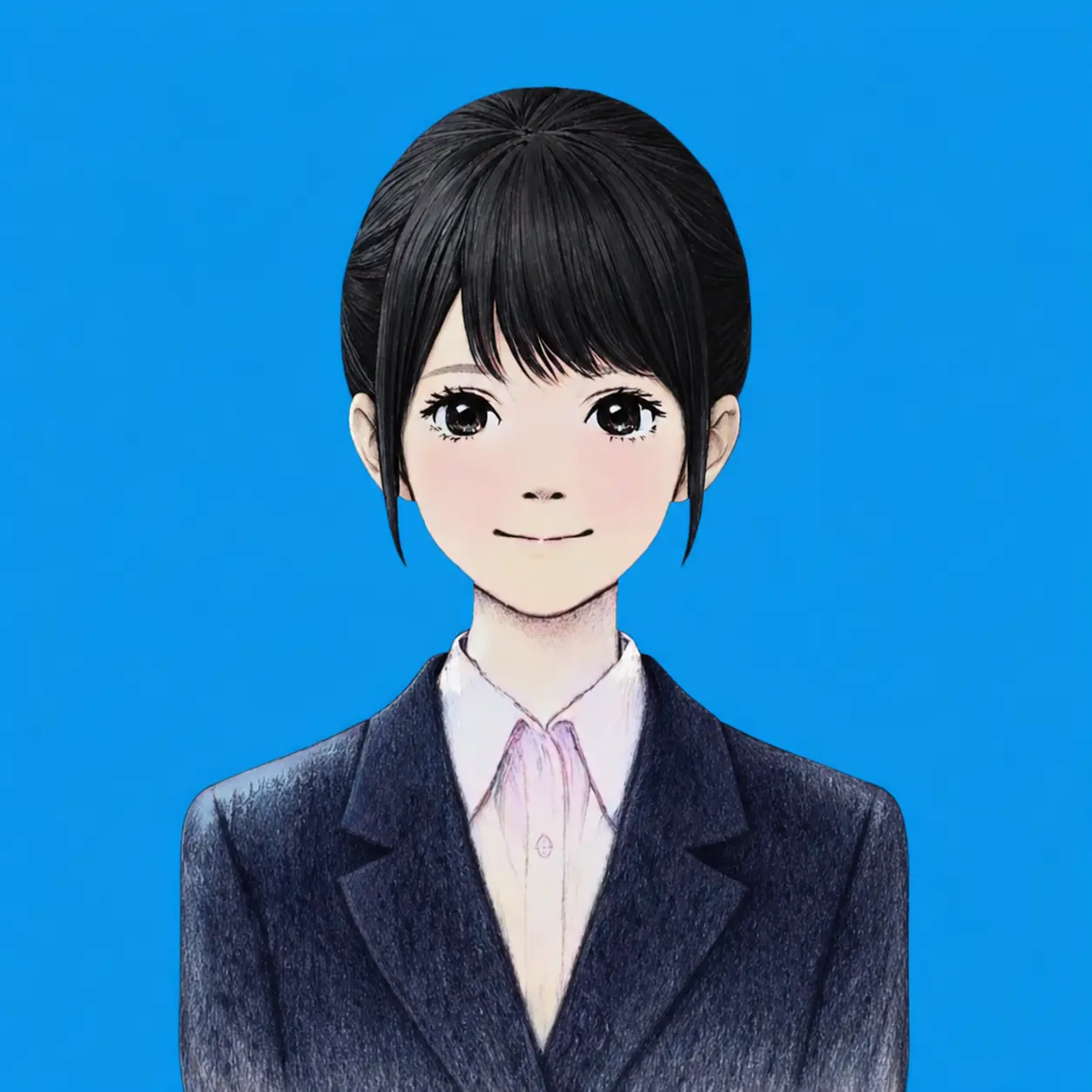
巌頭全豁:凡聖を吹っ飛ばし、一手で持ち上げ一手で押さえる自由自在
従容録 第二十二則 巌頭拝喝
擧。巖頭到徳山。跨門便問。是凡是聖。[這賊]山便喝。裂破髑髏]頭禮拜。[未當好心]洞山聞云。若不是豁公。大難承當。[厚幣甘言]頭云。洞山老漢不識好惡。[却又著忙]我當時一手擡一手捺。[我豈不知]
従容録 第二十二則 巌頭拝喝 白文
舉(こ)す。巌頭(がんとう)、徳山(とくさん)に到(いた)り門(もん)に跨(またが)って便(すなわ)ち問(と)う、是(こ)れ凡(ぼん)か是(こ)れ聖(しょう)か。[這(こ)の賊(ぞく)] 山(さん)便(すなわ)ち喝(かっ)す。[獨樓(どくろ)を裂破(れっぱ)す] 頭(とう)、禮拜(らいはい)す。[未(いま)だ好心(こうしん)に當(あた)らず] 洞山(とうざん)聞(き)いて云(い)わく、若(も)し是(こ)れ豁公(かっこう)にあらずんば、大(おおい)に承當(じょうとう)し難(がた)かりしたらん。[幣(へい)を厚(あつ)うし言(こと)を甘(あま)くす] 頭(とう)云(い)わく、洞山老漢(とうざんろうかん)好惡(こうお)だも知らず。[却(かえ)って又(また)忙(ぼう)に着(つ)く] 我(わ)れ當時(そのかみ)、一手擡(いっしゅたい)、一手捺(いっしゅなつ)と。[我(わ)れ豈(あに)知(し)らざらんや]
従容録 第二十二則 巌頭拝喝 書き下し文
舉す。
巖頭が徳山のところへやってきて、山門をまたぐやいなやこう問いかけた。
巌頭:これは凡か、聖か?[この賊!]
徳山は一喝した。[頭蓋骨が割れんばかりだ]
巌頭は礼拝した。[決して本心からではない]
洞山はこれを聞いてこう言った。
洞山:もし全豁でなかったならば、受け止めるのは大いに難しかっただろう。[手厚い贈り物や甘い言葉だ]
巖頭:洞山の老いぼれめ、まったくわかってないな。[かえってまた慌てふためいてしまう]
巖頭:あの時、私は一方の手で持ち上げ、もう一方の手で押さえつけていた。[私にそれが分からないはずがあろうか、いや分かっている]
従容録 第二十二則 巌頭拝喝 現代語訳
用語集:本記事で使われる仏教・禅の用語とは?
- 巌頭拝喝(がんとう はいかつ):巌頭が徳山の喝に礼拝するという問答。
- 坐具(ざぐ):僧侶が座下に敷くもの。上に座ったり、礼拝したりする。
- 験主問(けんしゅもん):師家(しけ、指導者)の境地を探るための問い。
- 賊(ぞく):並ではない禅者をほめるときに使われる常用語。
- 二見対待(にけんたいだい):物事を二つに分けて対比的に捉える見方。
- 向上(こうじょう):向上とは、すべての区別を超越した絶対的な平等の世界(悟りの境地)向かい、さらには超えるはたらきを指す。
- 向下(こうげ):向下とは、個々の違いや善悪などの違いが存在する相対的な差別の世界(現実の現象世界)で実践するはたらきを指す。
- 向上底 (こうじょうてい):底とは、禅で非常によく使われる重要な助字(接尾辞や指示代名詞)。「〜のもの」「〜な人」「〜のこと」という意味だ。「向上底」なら、「区別を超越した絶対的な平等の世界(悟りの境地)」そのもの、またはそれを超えた世界そのもののこと。
巌頭拝喝の登場人物とは?:巌頭全豁と徳山宣鑑
要点:登場人物は巌頭全豁と徳山宣鑑である。この問答に、洞山良价がコメントをしている。
今回の則の主要登場人物は、巌頭全豁(がんとう ぜんかつ)と徳山宣鑑(とくさん せんかん)だ。この二人のやり取りについて、洞山良价(とうざん りょうかい)がコメントをしている。
巌頭全豁とは?:師を手ほどきする規格外禅師
- 出身と俗姓:泉州(現在の福建省泉州市)出身で俗姓は柯氏。
- 出家と修行:若くして清原の誼公(ぎこう)のもとで剃髪し、長安の宝寿寺で具足戒を受けた。経典や戒律を広く修め、さまざまな道場を遍歴した。生涯の友となる雪峰義存(せっぽう ぎそん)、欽山文邃(きんざん ぶんすい)と出会い、深く関わった。余杭の大慈山から臨済義玄のもとを訪ねたが、到着した時にはすでに臨済は亡くなっていたため、仰山慧寂に教えを受けた。
- 悟りの経緯:徳山宣鑑(とくさん せんかん)に参じ、その法を嗣いだ。
- 活動拠点:鄂州(または朗州)の巌頭。後に洞庭の臥龍山に庵を結んで多くの参禅者が集まった。
- 遷化(死去):光啓3年(887年)4月8日に、盗賊に襲われ天を裂くような「大叫一声」を上げて60歳で示寂。
- 諡号:清厳大師(景徳傳燈録 卷第十六(No. 2076 道原纂) in Vol. 51)。
徳山宣鑑とは?:問答無用の棒で迷いを打ち砕く峻烈なスパルタ禅師
- 出身と俗姓:剣南(現在の四川省あたり)の人で、俗姓は周氏。
- 出家と修行:幼くして出家して具足戒を受け、戒律(律蔵)を深く究め、唯識や法相などの諸経典(性相諸経)の旨趣に通じていた。特に『金剛般若経(金剛経)』の講義に優れていたため、当時は「周金剛(しゅうこんごう)」と称されていた。
- 悟りの経緯:徳山は禅宗の興隆を聞き、道場破りのつもりの旅の途中で老婆と出会う(以下参照)。その後、龍潭崇信(りゅうたん そうしん)のもとで大悟した。
- 活動拠点:澧陽(れいよう)に30年住み、唐の武宗による廃仏(会昌の廃仏)の際には、独浮山の石室に避難した。大中(だいちゅう)の初め、武陵太守の薛廷望が徳山精舎(のちの古徳禅院)を再興し、ここで活躍した。
- 主な教え:徹底して言葉や文字に頼らず、修行者を棒で打つ「徳山の棒」で有名。「我が宗に語句なし。実の一法も人に与えるものなし(我宗無語句。實無一法與人)」という厳格な立場を貫いた。「徳山の棒」は、のちに臨済義玄の「臨済の喝」と並び、禅宗の象徴となった。
- 遷化(死去):唐の咸通六年(865年)十二月三日遷化。世寿八十六歳、法臘(出家してからの年数)六十五歳。
- 諡号:見性大師(景徳傳燈録 卷第十八(No. 2076 道原纂) in Vol. 51)。
『禪宗無門關』の第二十八則「久響龍潭」において、徳山宣鑑と老婆の有名な出会いが次のように語られている。
『金剛経』の解説で名を馳せていた徳山宣鑑は、言葉や文字に頼らずに悟りを伝える禅の教えに強い憤りを抱き、彼は、『金剛経』の注釈書を満載して道場破りの旅に出た。徳山が澧州の道路を進んでいたとき、道端で点心(軽食)を売っている老婆に出会った。老婆は徳山に「金剛経の中には『過去心不可得、現在心不可得、未来心不可得』(過去の心も、現在の心も、未来の心も得ることはできない)とあります。あなたはいったい、どの心に点をしようとされているのですか」と聞いた。この問いを突きつけられた徳山は、一言も返すことができなかった。
「この近くに優れた禅の指導者はいるか」と老婆に尋ねたところ、老婆が「五里(2.8km)ほど先に龍潭和尚がいます」と教えたため、徳山はその後、龍潭和尚を訪ねた。ある夜、龍潭が紙のろうそくに火を灯して徳山に手渡そうとし、徳山がそれを受け取ろうとしたその瞬間、龍潭がふっと息を吹きかけて火を消してしまった瞬間に、徳山はハッと深く悟った。徳山は翌日、自らが大切に持ち歩いていた『金剛経』の注釈書を取り出して松明を掲げてすべて焼き捨ててしまった (禪宗無門關 無門關(宗紹編 in Vol. 48))。
洞山良价とは?:沈思黙考の哲学派禅師
- 出身と俗姓: 会稽の人。俗姓は兪氏。
- 幼少期: 幼い頃、師に従って『般若心経』を学んでいた際、「無眼耳鼻舌身意(眼・耳・鼻・舌・身・意は無い)」の一節に差し掛かると、「私には現に目も耳も鼻も舌もあるのに、なぜお経には『無い』と書いてあるのですか」と師に尋ねた。師は彼のただならぬ器量に驚き、「私はお前の師となるに及ばない」と言って、五洩山(ごせつざん)の霊黙(れいもく)禅師のもとへと送り、そこで出家(剃髪)させた。
- 出家と修行: 五洩山で霊黙禅師について剃髪し、21歳で嵩山(すうざん)にて具足戒を受ける。その後、各地を遊方し、まず南泉普願(なんせん ふがん)にまみえた。馬祖道一の忌日の法要で、南泉が「明日、馬祖のために供養を設けるが、馬祖は果たして来るだろうか」と問うたのに対し、良价は「(馬祖を理解するような)伴侶(ふさわしい相手)がいれば来ます」と答えて南泉にその器量を絶賛された。 次に潙山霊祐(いさん れいゆう)を訪ね、国師(南陽慧忠)の「無情説法(情識のない山川草木が法を説くこと)」について尋ねたが、潙山は言葉で語ることを避け、雲巌曇晟(うんがん どんじょう)を訪ねるよう勧めた。
- 悟りの経緯: 雲巌曇晟のもとで修行を重ねた良价は、雲巌の真髄について、雲巖は「ただこれこれだ)」と答えた。のちに川の水面に映る自らの影を見て、雲巖の言葉の真意を悟り、大悟した(過水大悟)。
- 活動拠点:新豊山(しんぽうざん)で学徒を教え、その後、豫章(よしょう)高安の洞山(どうざん)(現在の江西省宜春市、当時の筠州)に移って大いに禅風を盛んにした
- 主な教え: 身心は外物にこだわらないこと、これこそが真の修行である(夫出家之人心不附物。是眞修行)。 弟子の曹山本寂(そうざん ほんじゃく)とともに体系化した「五位(偏正五位・五位君臣)」の説は、禅林の極則・基準(銓量)となり、のちに「曹洞宗」の宗風の根幹となった。
- 遷化(死去): 唐の咸通(かんつう)10年(869年)3月(8日)、世寿63歳、法臘42歳。
- 諡号: 悟本大師(ごほんだいし)(景徳傳燈録 卷第十五(No. 2076 道原纂) in Vol. 51)。
法系図
- 石頭希遷…龍潭崇信ー徳山宣鑑ー巌頭全豁
- 石頭希遷…薬山惟儼ー雲巌曇晟ー洞山良价
巌頭と徳山の出会いとは?:徳山が巌頭に一目置く
要点:巌頭は徳山の前で動じなかった。この態度から、徳山は巌頭の非凡な器量を見抜いた。
本則は、巌頭全豁が初めて徳山宣鑑を訪ねた時の問答のようにみえるが、これは初対面の話ではない。そこで、初対面でのエピソードを紹介しておこう。
巌頭が徳山のもとへ初めて参じた際、彼が法堂(はっとう)で坐具(ざぐ)を広げたところ、徳山はその坐具をすかさず杖で階段の下へと放り投げてしまった。巌頭は動じることなく、階段を下りて坐具を拾い、そのまま去っていった。
翌日、巌頭が改めて挨拶に上がると、徳山は彼に「お前はどこでそんな虚頭(うわべだけの小細工)を学んできたのだ」と問うた。巌頭は、「自分を偽るような小細工はいたしません」と答え、徳山は、「お前は将来、この老僧の頭の上に糞をたれる(凌駕する)ようになるぞ」と言った。
徳山は巌頭のこのただ者ではない態度を見て、その器量を見抜いた。
徳山宣鑑の喝とは?:凡か聖かをふっ飛ばす
要点:巌頭が「これは凡か、聖か」と問いかけた。徳山は、一喝した。これにより、凡か聖かを吹っ飛ばした。巌頭は礼拝した。
それでは本則に入ろう。巌頭がある日、徳山の方丈に上って入口の敷居をまたぎ、片足を入れた状態で「これは凡か、聖か」と問いかけた。相手が凡と答えればその片足を引いて外に立ち、聖と答えたら両足を入れて立つ。これはつまり「和尚は私を凡と見るか聖と見るか」との意味にも取れるし、「和尚の境地は凡か聖か」と相手を調べているようにもみえる。こうなるといわゆる験主問だ。万松行秀は[この賊]とつっこんだ。禅問答において『賊』というのは、並ではない禅者をほめるときに使われる常用語だ。では、この場合、徳山が賊なのか?巌頭が賊なのか?
徳山は、凡とも聖とも言わず、カッと大喝一声をもって答えた。この一喝には、[頭蓋骨が割れんばかりだ]、つまり、凡聖だとか迷悟とか、およそ二見対待にまたがる情識(迷いの心や本能のままの心の働き)を吹っ飛ばし、その情識もなくしたいという無心の考え、つまり向上一義という禅の道も幻想のようにすか払い去ったのだ、という意味だ。さすがの巌頭も、頭蓋骨を粉砕された思いだろうか。
巌頭はそれっきり第二問の矢を放たず、礼拝した。しかし、万松は[決して本心からではない]とコメントしている。万松は、どうも意に満たないようだ。どうも腑に落ちない礼拝だなぁという。ここが、賊(徳山)と賊(巌頭)との出会いとなる。
巌頭全豁の真意とは?:向上と向下の自由自在
要点:巌頭と徳山の問答について洞山が褒めた。巌頭は「あの時、私なら一方の手で持ち上げ、もう一方の手で押さえつけていただろうに」と言った。
巌頭と徳山の問答はこれで終わった、あっさりしたものだったが、この一問一答を、巌頭の元師匠である、洞山良价が伝え聞いて、全豁(巌頭)でなかったならば、徳山の一喝を即座に会得することはできなかっただろう、徳山も巌頭もたいしたものだ、と褒めたそうだ。しかし、万松は、洞山良价の褒め言葉は、[手厚い贈り物や甘い言葉だ(人に進物をたくさんやって甘言を呈しているようなものだ)]という評価だ。巌頭は洞山の褒め言葉を聞いて、「洞山の老いぼれめ、まったくわかってないな」、と罵倒した。万松は[かえってまた慌てふためいてしまう]、とコメントした。つまり、洞山の甘言につられてまた急に手足が忙しくなったぞ(巌頭の足が敷居から出たり入ったり忙しいなぁ)…、という心の動揺が見えるという意味だ。
巌頭は「あの時、私は一方の手で持ち上げ、もう一方の手で押さえつけていた」と言った。これは即ち向上と向下という意味だ。巌頭の見識は、俺が徳山の一喝下にただ礼拝して退いたのは、全的肯定ではなく、向上底は聖、向下底は凡と、ちゃんと自他見通しての礼拝だったぞ、それを洞山はわかってないのだよ、とこういうわけだ。このようにいうだけまだ若いといえるだろう。万松は[私(洞山)にそれが分からないはずがあろうか、いや分かっている]とコメントしている。これは、向上向下がどうの、迷悟凡聖か、と説明する必要はないぞ。徳山の一喝、巌頭の礼拝、それが何であるかは洞山もわかっているぞ、という意味で、巌頭は洞山の一語に釣り上げられて、泥をはかされたなぁ、という評価だ。つまりは、巌頭も徳山も洞山も賊だった、というわけだ。
徳山は「二見対待の破壊」(向上)をし、巌頭は「一方の手で持ち上げ、もう一方の手で押さえつける」(向上と向下の自由自在)、洞山は巌頭に機会を与え(泥を吐かせること)た。つまりは、それぞれがみんな、わかってやっていた、ということだ。
以下の公案では、今回の二見対待の破壊を、別の観点から切り込んでいるので、ぜひ。
関連記事:従容録 第十八則 趙州狗子:理屈をぶっ壊し、今ここの現実にガツンと飛び込め
従容録 第二十二則 巌頭拝喝の核心とは?:向上と向下の自由自在のはたらき
- 巌頭が「これは凡か、聖か」と問いかけた。
- 徳山は、一喝し、凡か聖かを吹っ飛ばした。
- 巌頭は礼拝し、向上と向下の自由自在のはたらきを示した。
私の体験談:先生を尊敬する必要はあるのか?
要点:役割に徹することが、自由自在のはたらきにつながる。
昭和までは、先生という存在は絶対であり、生徒は従うしかなかった。しかし、昭和末期頃から、先生に反抗する生徒が出るようになり、令和に至っては、生徒のほうが消費者という意味で権力を握りだしているように感じる。それでは、先生は、絶対に正しく、従う必要があるのだろうか。
今回の公案のあらましを簡単におさらいすると、徳山が絶対真理(凡か聖かはない)を示し、洞山のフォローのもとで、巌頭が自由自在のはたらきを示した、ということだった。これは、たとえるならば、絶対真理はあるんだけども、私達は社会の中で生きているわけで、先生と生徒という役割のもとで、やっていかなければならない、ということになる。
そして、今回の問答を見て、おもしろいな、とみなさんが思うポイントとしては、巌頭が元師匠である洞山を罵倒しているという点にあると思う。これは、禅では珍しいことではない。なぜならば、禅では弟子が師匠を超えることを歓迎しているからだ。私自身、みなさんと同じように教育を受ける立場を経験し、さらに、禅で修行道場を経験し、今では教える仕事をしている。それで、よく思うのは、お互い人間同士の尊重があれば、役割に対する過剰な敬意は必要ないのではないかということだ。というのも、私は禅の道場で「おまえは尊敬が足りない」と言われることがあった。それで、よくよくその人達のことを考えてみると、そういう言い方をする人たちは、自分に自信がなく、その役割(教師)があってはじめて自尊心を保っていたとことろがあった。その人達は、その役割を保たせるような行為、たとえば、教師におべっかを言って持ち上げるなどということを私が過剰にしなかったから不安になったんだと思う。私はそういったヨイショや、ミスの隠蔽などの役割維持の行為は不要だと思う。
それではなにが必要なのかというと、役割に徹し、相手や状況に応じてその役割のはたらきを変えることだ。
つまりは、教師か生徒かという立場にしがみつがず、それぞれが役割に徹することが、巌頭がいうような自由自在のはたらきにつながるということである。
禅の教えを現代生活に活かすには?:役割に依存せず、役割に徹する
要点:役割に依存せず、役割を果たす。
それでは、どのようなことが、役割に依存せず、役割に徹することなのだろうか。以下に具体例を挙げた。
- 教師と生徒が役割に徹する具体例
- 教師は勉強を教える
- 生徒は勉強をする
- 教師は授業の準備をしっかり行い、わかりやすく説明する
- 生徒はわからないところを質問する
- 教師はテストや課題を公平に採点する
- 生徒は提出期限を守って課題を出す
- 教師は生徒の理解度に合わせて進度を調整する
- 生徒は授業中に私語をせず、話を聞く
- 教師は必要な知識や技能を正確に伝える
- 生徒は復習・予習を自分で進める
- 役割に依存している具体例
- 先生の間違いを覆い隠す
- 教師に過剰にお世辞を言う
- 教師のミスを指摘せずにスルーする
- 「先生だから正しい」と無条件に信じ込む
- 教師の機嫌を取って成績や評価をよくしようとする
- 「教師の言うことは絶対」と役割だけで判断する
- 教師が間違った指示を出しても従うだけにする
- 教師の立場を守るために事実を曲げて報告する
- 「私は生徒だから先生が全部教えてくれるべき」と受け身で待つ
- 「先生の言う通りにやればいい」と自分で考えない
- 成績が悪いのを「先生の教え方が悪い」とだけ責任転嫁する
- お互いに尊重している具体例
- 挨拶をする
- 勉強に集中する
- 相手の時間を無駄にしないよう、約束の時間を守る
- 意見が違っても丁寧に聞き、冷静に話し合う
- 相手の努力や工夫を認める
- 相手のミスを個人攻撃せず、事実として指摘する
Yantou Quanhuo :Blasting Away Ordinary and Holy, Free and Easy to Lift and Press with Both Hands
From Shoyoroku, Case 22: Yantou Bows to the Katsu
擧。巖頭到徳山。跨門便問。是凡是聖。[這賊]山便喝。裂破髑髏]頭禮拜。[未當好心]洞山聞云。若不是豁公。大難承當。[厚幣甘言]頭云。洞山老漢不識好惡。[却又著忙]我當時一手擡一手捺。[我豈不知]
=From Shoyoroku, Case 22: Yantou Bows to the Katsu Classical Chinese Original Text
舉(こ)す。巌頭(がんとう)、徳山(とくさん)に到(いた)り門(もん)に跨(またが)って便(すなわ)ち問(と)う、是(こ)れ凡(ぼん)か是(こ)れ聖(しょう)か。[這(こ)の賊(ぞく)] 山(さん)便(すなわ)ち喝(かっ)す。[獨樓(どくろ)を裂破(れっぱ)す] 頭(とう)、禮拜(らいはい)す。[未(いま)だ好心(こうしん)に當(あた)らず] 洞山(とうざん)聞(き)いて云(い)わく、若(も)し是(こ)れ豁公(かっこう)にあらずんば、大(おおい)に承當(じょうとう)し難(がた)かりしたらん。[幣(へい)を厚(あつ)うし言(こと)を甘(あま)くす] 頭(とう)云(い)わく、洞山老漢(とうざんろうかん)好惡(こうお)だも知らず。[却(かえ)って又(また)忙(ぼう)に着(つ)く] 我(わ)れ當時(そのかみ)、一手擡(いっしゅたい)、一手捺(いっしゅなつ)と。[我(わ)れ豈(あに)知(し)らざらんや]
From Shoyoroku, Case 22: Yantou Bows to the Katsu Kanbun reading method of Classical
Case: Yantou arrived at Deshan’s.Straddling the threshold, he immediately asked:
Yantou: Is this ordinary or holy? [This thief!]
Deshan immediately shouted Katsu! [Shattering the skull]
Yantou made a bow. [It is never from his true heart]
Dongshan heard of this and said:
Dongshan: If it were not Quanhuo, it would have been extremely difficult to withstand it. [Lavish gifts and sweet words]
Yantou: That old foolish Dongshan does not understand at all. [Yet again, getting all flustered]
Yantou: At that time, I would hold up with one hand and press down with the other. [How could I not know?]
From Shoyoroku, Case 22: Yantou Bows to the Katsu Modern Meaning
Glossary: What are the Buddhist and Zen terms used in this article?
- 巌頭拝喝 (Yantou Bows to the Katsu): This is a Zen dialogue between two Zen masters, 巌頭全豁 (Yantou Quanhuo) and 徳山宣鑑 (Deshan Xuanjian), while Yantou bows to the katsu (喝) of Deshan.
- 坐具 (Zagu): This is a mat for monks. Monks sit on it or bow on it.
- 験主問 (Kenshumon, A Question for the Master): This is a question. A monk uses it to test the state of the master.
- 賊 (Zoku, a thief): This is a word which is used to praise a great Zen master. In daily life, it means a thief.
- 二見対待 (Dualistic Opposition): A perspective that divides and contrasts things into two categories, such as “right or wrong.”
- 向上 (Kojo): This is the action of going toward and going beyond the world of absolute equality (the state of enlightenment). This world is beyond all differences and distinctions.
- 向下 (Koge): This is the action of practicing in the world of relative distinction (the actual world). In this world, individual differences, good and evil, and other contrasts exist.
- 向上底 (Kojo-tei): This is “the world of absolute equality (the state of enlightenment) itself” which is beyond all differences. It also means the world itself that goes beyond that state.
What are the characters in Yantou Bows to the Katsu?: Yantou Quanhuo and Deshan Xuanjian
Key Point: The people in the case are 巌頭全豁 (Yantou Quanhuo), 徳山宣鑑 (Deshan Xuanjian). 洞山良价 (Dongshan Liangjie) makes a comment on the dialogue between these two people.
The people in the case are 巌頭全豁 (Yantou Quanhuo), 徳山宣鑑 (Deshan Xuanjian). 洞山良价 (Dongshan Liangjie) makes a comment on the dialogue between these two people.
Who was Yantou Quanhuo?: An Unprecedented Zen master who guides his master
- Birthplace and Family Name: He was from Quanzhou (now Quanzhou City, Fujian Province). His secular surname was Ke.
- Training History: When he was young, he shaved his head under Gigou of Qingyuan, and he received the full precepts at Baoshou Temple in Chang’an. He studied sutras and precepts widely, and he traveled around various Zen dojos. He met 雪峰義存 (Xuefeng Yicun) and 欽山文邃 (Qinshan Wunsui), who became his friends for life, and he deeply related with them. He visited 臨済義玄 (Linji Yixuan) from Daci Mountain in Yuhang, but Linji had already died when he arrived. Therefore, he received teachings from 仰山慧寂 (Yangshan Huiji).
- Process of Enlightenment: He went to Deshan Xuanjian and received his Dharma transmission.
- Base of Activity: Yantou in Ezhou (or Langzhou). Later, he built a hut on Garyu Mountain in Dongting, and many Zen practitioners gathered there.
- On April 8 in the third year of Guangqi (887), he was attacked by thieves. He gave a great cry that tore the sky, and he passed away at the age of sixty.
- Posthumous Title: 清厳大師 (A pure and strict master) (景徳傳燈録 卷第十六(No. 2076 道原纂) in Vol. 51).
Who was Deshan Xuanjian?: a severe Spartan Zen master who smashes doubts with strikes without asking questions
- Birthplace and Original Family Name: He was a person from Jiannan (around present-day Sichuan Province), and his secular surname was Zhou.
- Training History: He entered the priesthood when he was young and received the full precepts. He deeply studied the Vinaya (monastic rules) and understood the meaning of various sutras. Because he was especially good at lecturing on 金剛経 (the Diamond Sutra), people called him ‘Zhou the Diamond’ at that time.
- Deshan heard about the rise of Zen Buddhism. On his way on a trip with the intention of challenging a Zen dojo, he met an old woman (see below). After that, he achieved great enlightenment under 龍潭崇信 (Longtan Chongxin).
- Base of Activity: He lived in Leiyang for thirty years. During the persecution of Buddhism by Emperor Wuzong of the Tang dynasty (the Huichang Persecution), he took refuge in a stone room on Mt. Dofu. In the early Dazhong era, Xue Tingwang, the governor of Wuling, rebuilt his temple, and he was active here.
- Main Teaching: He thoroughly did not rely on words or letters, and he was famous for ‘Deshan’s stick,’ which hit practitioners with a stick. He maintained a strict position: ‘In our school, there are no words. We do not give even a single true dharma to people.’ ‘Deshan’s stick,’ along with ‘Linji’s katsu’ by Linji Yixuan, later became a symbol of Zen Buddhism.
- Death: He passed away on December 3 in the sixth year of Xiantong of the Tang dynasty (865). His age was eighty-six, and his Dharma age was sixty-five.
- Posthumous Title: 見性大師 (Master of Attaining Enlightenment)(景徳傳燈録 卷第十八(No. 2076 道原纂) in Vol. 51).
In Case 28 of the ‘Gateless Gate’ (無門関), the famous meeting between Deshan Xuanjian and an old woman is told as follows.
Deshan Xuanjian, who was famous for his commentaries on the Diamond Sutra, felt strong anger toward the Zen teachings of transmitting enlightenment without relying on words or letters. He set out on a journey to challenge Zen dojo, carrying loads of commentaries on the Diamond Sutra. When Deshan was walking along a road in Lizhou, he met an old woman selling light refreshments by the roadside. The old woman asked Deshan, “In the Diamond Sutra, it says: ‘The past mind cannot be grasped, the present mind cannot be grasped, and the future mind cannot be grasped.’ Which mind are you trying to refresh?” Confronted with this question, Deshan was unable to say a single word in reply.
When Deshan asked the old woman, “Is there an excellent Zen master near here?”, she told him, “Master Longtan is about 2.8km ahead.” So Deshan later visited Master Longtan. One night, Longtan lit a paper candle and tried to hand it to Deshan. At the exact moment Deshan was about to take it, Longtan blew out the flame with a puff. In that instant, Deshan suddenly reached deep enlightenment. The next day, Deshan took out the commentaries on the Diamond Sutra that he had carefully carried with him, raised a torch, and burned them all.( (禪宗無門關 無門關(宗紹編 in Vol. 48))).
Who was Dongshan Liangjie?: A philosophical Zen master who deeply meditates and quietly reflects
- Birthplace and Original Family Name: He was a person from Kuaiji, and his secular surname was Yu.
- Childhood: When he was young, he was learning the Heart Sutra with his teacher. When he reached the part saying “there are no eyes, ears, nose, tongue, body, or mind,” he asked his teacher, “I actually have eyes, ears, nose, tongue, and body. Why does the sutra say there are none?” His teacher was surprised by his unusual talent and said, “I am not able to be your teacher.” He sent him to Zen Master Lingmo of Mt. Gexue, and he became a monk there.
- Training History: He shaved his head at Mt. Gexue and received the full precepts at Mt. Song at the age of twenty-one. After that, he traveled around various places and first met 南泉普願 (Nanquan Puyuan). At the memorial service for 馬祖道一 (Mazu Daoyi), Nanquan asked, “Tomorrow we will make an offering for Mazu. Will Mazu really come?” Liangjie answered, “He will come if there is a suitable companion.” Nanquan praised his talent greatly. Next, he visited 潙山霊祐 (Guishan Lingyou) and asked about 南陽慧忠 (Nanyang Huizhong)’s teaching that inanimate things preach the Dharma. Guishan avoided speaking with words and advised him to visit 雲巌曇晟 (Yunyan Tansheng).
- Process of Enlightenment: Liangjie practiced under Yunyan Tansheng. When Liangjie asked about the true essence of Yunyan, Yunyan answered, “Just this is it.” Later, when he saw his own reflection in the water of a river, he understood the true meaning of Yunyan’s words and reached great enlightenment.
- Base of Activity: He taught students at Mt. Xinfeng. After that, he moved to Mt. Dong in Gaoan, Yuzhang (present-day Yichun City, Jiangxi Province, Yunzhou at that time), and he made the Zen style flourish greatly.
- Main Teaching: The mind and body of a person who enters the priesthood should not stick to external things. This is true practice. The theory of the “Five Ranks” (Five Ranks of the Partial and Complete / Five Ranks of Lord and Vassal), which he systematized with his disciple 曹山本寂 (Caoshan Benji), became the standard of Zen training, and later became the foundation of the Soto school style.
- Death: He passed away on March 8 in the tenth year of Xiantong of the Tang dynasty (869). His age was sixty-three, and his Dharma age was forty-two.
- Posthumous Title: 悟本大師 (Master of Original Enlightenment)(景徳傳燈録 卷第十五(No. 2076 道原纂) in Vol. 51).
Dharma Lineage Chart
- 石頭希遷…龍潭崇信ー徳山宣鑑ー巌頭全豁
- 石頭希遷…薬山惟儼ー雲巌曇晟ー洞山良价
What was the meeting between Yantou and Deshan?: Deshan Acknowledged Yantou
Key Point: Yantou did not lose his calm in front of Deshan. From this attitude, Deshan recognized the great talent of Yantou.
The main case looks like the dialogue of their first meeting, but it was not their first meeting. Therefore, let us introduce the episode of their first meeting.
When Yantou first visited Deshan, he spread his zagu (mat) in the Dharma hall. Deshan quickly threw the zagu down the stairs with his stick. Yantou did not lose his calm. He went down the stairs, picked up the zagu, and left the place as he was.
The next day, Yantou visited Deshan again to greet him. Deshan asked him, ‘Where did you learn such empty tricks?’ Yantou answered, ‘I do not use tricks to deceive myself.’ Then Deshan said, ‘In the future, you will shit on the head of this old monk (you will surpass this old monk).’
Deshan saw this extraordinary attitude of Yantou and recognized his true ability.
What is the Katsu of Deshan Xuanjian?: It blows away ordinary and holy
Key Point: Yantou asked, ‘Is this ordinary or holy?’ Deshan gave a katsu. By this, he blew away ordinary and holy. Yantou made a bow.
One day, Yantou went up to Deshan’s room. He stepped over the threshold of the entrance and put one foot inside. He asked, “Is this ordinary or holy?” If the master answered ‘ordinary,’ he would pull back his foot and stand outside. If the master answered ‘holy,’ he would put both feet inside and stand. This question can mean ‘Do you see me as ordinary or holy?’ It can also mean that he was testing the state of the master: ‘Is your state ordinary or holy?’ In this situation, it is a so-called 験主問 (kenshumon, a question to test the master). 万松行秀 (Wansong Xingxiu) commented, [This thief!] In Zen dialogues, 賊 (thief) is a common word which is used to praise an extraordinary Zen practitioner. Then, in this case, is Deshan a thief? Or is Yantou a thief?
Deshan did not say ‘ordinary’ or ‘holy.’ He answered with a great katsu! This one katsu means [Shattering the skull!]. In other words, it blew away delusions and attachments across dualistic opposition, such as ordinary or holy, and delusion or enlightenment. It also completely wiped away even the Zen thought of no-mind that wants to erase those attachments. Even Yantou must have felt that his skull was broken.
Yantou did not shoot a second question, and he made a bow. However, Wansong commented, [It is never from his true heart]. Wansong did not seem to be satisfied. He said that this bow was strange and unsatisfactory. Here was the meeting of a thief (Deshan) and a thief (Yantou).
What is Yantou Quanhuo’s true intent?: Complete freedom of Kojo and Koge
Key Point: Dongshan praised the dialogue between Yantou and Deshan. Yantou said, ‘At that time, I held up with one hand and pressed down with the other.’
The dialogue between Yantou and Deshan ended with this. It was simple. However, 洞山良价 (Dongshan Liangjie), who was Yantou’s former master, heard about this dialogue. Dongshan praised them: “If it were not Quanhuo (Yantou), it would have been extremely difficult to withstand it.” However, Wansong evaluated Dongshan’s praise as [Lavish gifts and sweet words]. When Yantou heard Dongshan’s praise, he insulted him: ‘That old foolish Dongshan does not understand at all.’ Wansong commented: [Yet again, getting all flustered]. This means that Yantou was swayed by Dongshan’s sweet words, and his mind showed confusion.
Yantou said, “At that time, I would hold up with one hand and press down with the other.” This means Kojo and Koge. Yantou’s opinion was like this: “I just bowed and left after Deshan’s katsu. This was not a complete agreement. My bow was after I saw myself and him clearly. Kojo is holy, and Koge is ordinary. Dongshan does not understand this.” We can say that Yantou is still young because he said this.
Wansong commented, [How could I not know?]. This comment means this: we do not need to explain Kojo, Koge, delusion and enlightenment, or ordinary and holy. Dongshan already knows what Deshan’s katsu and Yantou’s bow mean. This comment shows that Yantou was caught by Dongshan’s word, and he had to spit out mud (he had to show his true thoughts). In other words, Yantou, Deshan, and Dongshan were all thieves (賊).
Deshan broke dualistic opposition. This action is Kojo. Yantou held up with one hand and pressed down with the other. This shows the complete freedom of Kojo and Koge. Dongshan gave Yantou a chance to spit out mud (to show his true thoughts). In other words, they all did these things because they understood everything.
The following case cuts into this destruction of dualistic opposition from a different point of view. Please read it.
Related Article: Shoyoroku Case 18: Zhaozhou’s Dog — Smash the Logic and Plunge Headfirst into the Reality of the Here and Now
What is the core of Yantou Bows to the Katsu in Shoyoroku Case 22?: Complete Freedom of Kojo and Koge
- Yantou asked, “Is this ordinary or holy?”
- Deshan gave a katsu, he blew away ordinary and holy.
- Yantou made a bow, this action showed the complete freedom of Kojo and Koge.
My Experience: Do We Need to Respect Our Teachers?
Key Point: Devoting oneself to a role leads to free and flexible action.
Until the Showa period, teachers were absolute, and students had no choice but to obey them. However, from the late Showa period, some students began to rebel against teachers. In the Reiwa period, it feels like students hold power as consumers. Then, are teachers always right, and do we need to obey them?
To review the summary of this koan briefly, Deshan showed the absolute truth (there is no ordinary or holy), and Yantou showed free and flexible action with the help of Dongshan. To use a metaphor, this means that although absolute truth exists, we live in society and must live under our roles as teachers and students.
Well, I think the interesting point for everyone when looking at this dialogue is that Yantou criticizes Dongshan, who was his former master. This is not unusual in Zen. This is because Zen welcomes students to surpass their masters. I myself experienced being a student just like all of you, and further experienced Zen training at a dojo, and now I do teaching work.
Therefore, I often think that if we have mutual respect as human beings, excessive respect for roles is not necessary. This is because I was sometimes told at a Zen dojo, “You do not have enough respect.”
And when I think about those people carefully, people who spoke in that way did not have confidence in themselves, and they maintained their self-esteem only with the help of their role as a teacher. I think they became anxious because I did not do excessive things to keep that role, such as flattering the teacher and lifting him up. I think that such flattering and actions for keeping roles, like hiding mistakes, are not necessary.
Then, what we need is to devote ourselves to our roles and change the function of those roles according to the other person and the situation.
In other words, instead of holding onto the position of being a teacher or a student, each person devoting themselves to their role leads to the free and flexible action that Yantou talks about.
How Can Zen Teachings Be Applied to Modern Life?: Not depending on roles, but devoting oneself to roles
Key Point: Not depending on roles, but devoting oneself to roles.
Then, what does it mean not to depend on roles, but to devote oneself to roles? I gave concrete examples below.
- Concrete examples of teachers and students devoting themselves to their roles:
- Teachers teach study.
- Students study.
- Teachers prepare classes well and explain clearly.
- Students ask questions about things they do not understand.
- Teachers grade tests and assignments fairly.
- Students submit assignments by the deadlines.
- Teachers adjust the pace according to the students’ level of understanding.
- Students do not talk during class and listen to the talk.
- Teachers transmit necessary knowledge and skills accurately.
- Students do preview and review by themselves.
- Concrete examples of depending on roles:
-
- Hiding the teacher’s mistakes.
- Giving excessive flattery to the teacher.
- Ignoring the teacher’s mistakes without pointing them out.
- Believing unconditionally that “the teacher is right because he is a teacher.”
- Trying to improve grades or evaluations by pleasing the teacher.
- Judging only by the role that “what the teacher says is absolute.”
- Just obeying even if the teacher gives wrong instructions.
- Changing and reporting facts to protect the teacher’s position.
- Waiting passively, thinking, “I am a student, so the teacher should teach me everything.”
- Not thinking for oneself, thinking, “I just have to do what the teacher says.”
- Blaming only the teacher for bad grades, saying, “The teacher’s way of teaching is bad.”
- Concrete examples of respecting each other:
- Greeting each other.
- Concentrating on study.
- Keeping promised times so as not to waste the other person’s time.
- Listening carefully and talking calmly even if opinions are different.
- Recognizing the other person’s efforts and ingenuity.
- Pointing out the other person’s mistakes as facts without making personal attacks.

 Aoiちゃん
 GPTさん
GPTさん Grok
Grok Claude様
 Oskardさん
 Gemini君