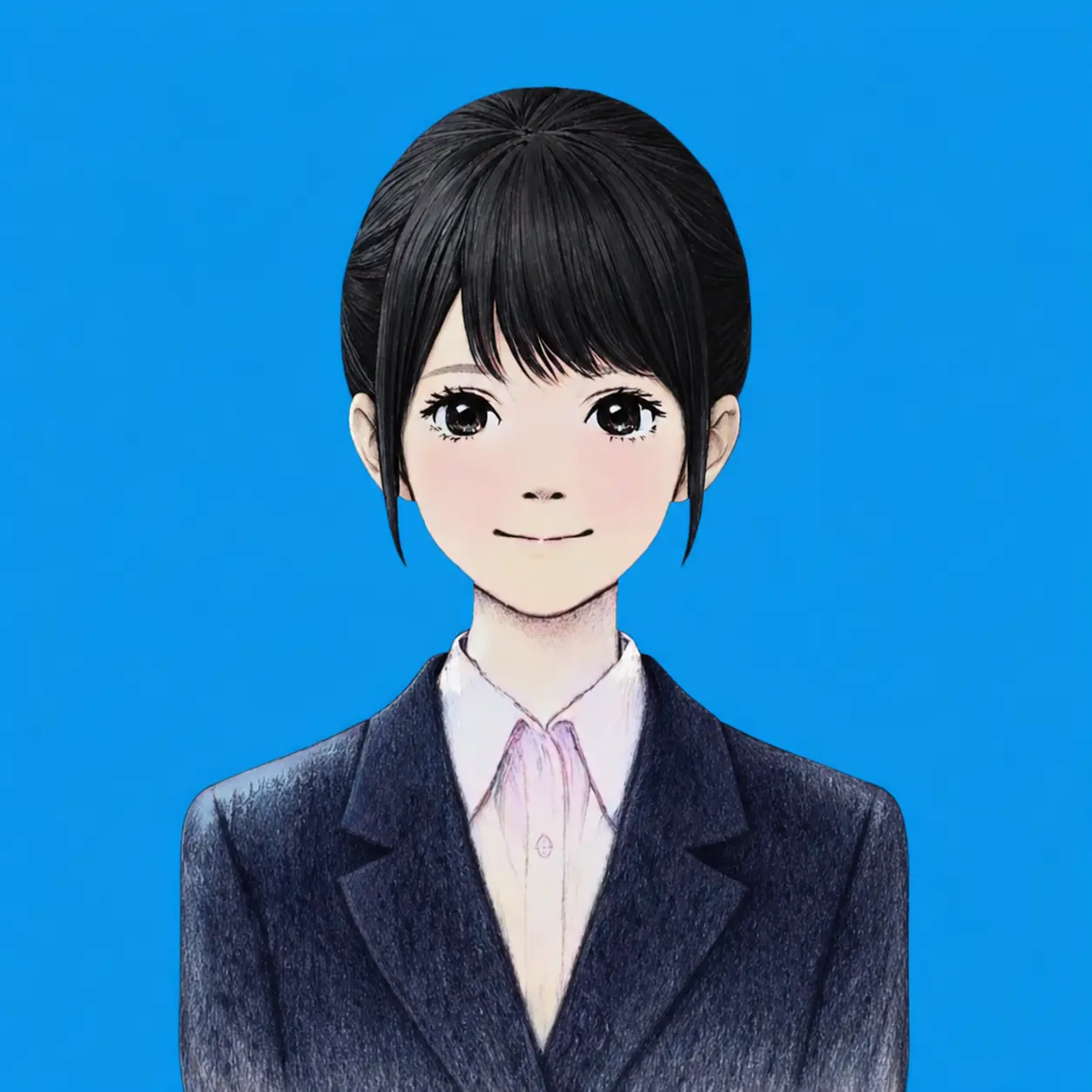
徳山宣鑑:真に豊かな人は、争わない
従容録 第十四則 廓侍過茶
廓侍者:諸聖は、どの方へ向かって去っていくのでしょうか?
徳山:なんだ、なんだ。
廊侍者:飛龍馬を勅點してみたら、跛鼈が出てきてしまいました。
徳山はそのまま黙って、立ち去った。
日が経ち、徳山が入浴から戻ると、廓侍者は茶を通して徳山に差し出した。
徳山は廓の背を一度撫でた。
廓侍者:この老人にして、初めてちらりと理解したことだ。
徳山は再び黙り、立ち去った。従容録 第十四則 廓侍過茶
あらまし:徳山宣鑑と廓侍者
要点:登場人物は徳山宣鑑(とくさん/とくざん せんがん)と廓侍者。
この則は、廓侍者が徳山宣鑑に茶を出した話だ。ここで、過茶とは、茶を渡すという意味だ。
廓侍者がどんな人であるかは明確ではないが、臨済の門下の守廓のことであると想定できる。守廓は、生涯住持とならなかったようで、どのような人なのかわかっていないが、侍者というのは、高僧に近侍する僧役のことで、重役だから、力量は相当な者であったようだ。
徳山宣鑑は、もとは剣南(四川省)の人で、周という苗字だったようだ。早くから出家して、特に『金剛経』に卓越していた。たまたま湖南江西地方に、禅というものがあると聞いて、道場破りのつもりででかけてきたが、途中老婆に出会い、その後龍潭祟信禅師のもとで修行し法嗣(ほっす、法を嗣ぐこと)となった。
言葉の問答:徳山と廓侍者との問答
要点:廓侍者が「諸聖は、どの方へ向かって去っていくのでしょうか?」と聞いた。これは、本来の面目(大きな宇宙や大きな生命の流れの中にある私)のことでもある。
廓侍者が「諸聖は、どの方へ向かって去っていくのでしょうか?」と聞いた。諸聖というのは、今日までに出た聖者のことで、釈迦以前にも無数に仏があるとされる。切言すれば、本来の面目(大きな宇宙や大きな生命の流れの中にある私)のことでもある。『楞厳経』には、一つの心の中には、聖者(仏や祖師)だけでなく、すべての生き物や草木、大地まで、あらゆるものが映し出されていると説かれている。
過去の問答:雲巖の名問答
要点:「諸聖は、どの方へ向かって去っていくのでしょうか?」という問答は、雲巌曇晟らによって既になされていた。
そして、この問いは廓侍者より前に、ある僧によって、雲巌曇晟(うんがん どんじょう、徳山より先輩で洞山良价の師)に「諸聖は、どの方へ向かって去っていくのでしょうか?」と既になされたものだ。雲巖は「なんだ、なんだ。」と答え、徳山の答えと全く同じだ。廓侍者はこの過去の問答を知っていて、徳山ならどう答えるか?と徳山を試したのだ(相手を試すことを験主問という)。徳山も、それに気がついて、同じ答えを返したわけだ。
駿馬と鈍馬:廓侍者の強烈な毒舌と「金持ち喧嘩せず」の沈黙
要点:廓侍者は徳山宣鑑を侮辱した。しかし、徳山宣鑑は黙って済ませた。
それで、廓侍者は「飛龍馬を勅點してみたら、跛鼈が出てきてしまった。」という。龍馬とは、抜群の駿馬のことで、跛鼈とは、鈍馬のことだ。勅點とは、天子が天下に命令して名馬を徹集することだ。
つまり、駿馬を得ようとしたら、鈍馬が出てきてしまった(おまえはたいしたことないな、という風)と徳山にいうわけだ。
この廓侍者の毒舌に対して、普通は怒り狂うところを、徳山は黙って済ませてしまった。今で言う、いわゆる金持ち喧嘩せず、だ。
態度の問答:言葉を超えて行動で示す禅問答
要点:廓侍者はさらに失礼な言葉を投げかけた。徳山はまた黙った。
その翌日、徳山が入浴して出てきたところへ、廓侍者は香ばしい一杯のお茶を持ってきた。徳山は、満足げに廓侍者の背中をすっとなでた。しかし、これは表面上であって、実は廓侍者をいい気にさせたまま突き落とすという態度だ。
それも知らず、廓侍者は「この老いぼれ、やっと気がついたな」と高飛車な態度。徳山はまた黙って打ちやった。
名人の腕前:手を下さずに相手を圧倒する徳山の禅風
要点:徳山宣鑑が黙った態度は、手をくださずして相手を取っちめる名人の腕前なのだ。
これは徳山が、廓侍者にやられてしまったのだろうか?
いや、猛虎が頭を引っ込め尾を巻いてうずくまった形であり、全く穏やかではない。
このやり方は、手をくださずして相手を取っちめる名人の腕前なのである。徳山は、徳山の高弟の巖頭全豁(がんとうぜんかつ)にも休し去る(黙って立ち去る)の態度を取ったことがある(従容録第五十五則)。
核心
- ただ黙って立ち去る姿勢は、現代の人間関係にもそのまま適用できる。
- 真に豊かな人は争わないという境地を徳山宣鑑は沈黙によって体現した。
- 相手を傷つける厳しい言葉を使わず、相手を取っちめるのが、禅における名人の圧倒的な腕前である。
私の体験談:SNSから「ただ黙って立ち去る」ことを選んだ理由
要点:SNSでは構って欲しい人、ただ批判したいだけの人が多い。返事がないことが返事、というように放っておくことも立派な応答だ。
私はnoteでも禅の解説をしていた。コメントをしてくれる人がいて大変ありがたいのだが、中には挑発する内容もあった。私は、それでもなにかにつながれば、と思い誠意をもって返信していたのだが、結局この人は禅に感心があるのではなく「ただ批判したいだけ」ということに気が付き、誠意を持った返信は無駄であるし、応じること自体がすでに相手の土俵に立つことになり、自分のあり方を見失ってしまうと思うようになった。
そもそも、徳山が言葉で応答しない自由を発揮したように、すべての問いに言葉で応答する必要はない。たとえば、返事がないことが返事、というように放っておくことも立派な応答だ。このように、言葉で応じないことによってしか、示せないこともある。これからは、言葉以外の応答を充実させていきたいと思う。
現代の生活に活かす禅のヒント:SNSではいちいち反応する必要はない
要点:SNSでは、言葉以外の応答でもいい。
徳山は、廓侍者の毒舌に対して、怒り狂うことをせずに、黙って済ませたり、背中をなでたりした。廓侍者はいい気になってしまう。しかし、これは猛虎が頭を引っ込め尾を巻いてうずくまっているように、穏やかではない。このやり方は、手をくださずして相手を取っちめる、名人のやりかたなのである。たとえば、SNSでは、返事がないことが返事、というように放っておくことも立派な応答だ。
Deshan Xuanjian: Truly rich people do not fight
From Shoyoroku, Case 14: An Attendant Serves Tea
Attendant: “To which direction do the holy people go?”
Deshan: “What? What?”
Attendant: “I looked for a flying dragon-horse, but a lame turtle appeared.”
Deshan kept silent. He walked away.
Some days passed. Deshan came back from the bath. Attendant Shoukuo served tea to Deshan. Deshan patted Attendant on the back once.
Attendant: “This old man understands it a little for the first time.”
Deshan kept silent again. He walked away.
From Shoyoroku, Case 14: An Attendant Serves Tea
Introduction: The Story of Deshan Xuanjian and Attendant Shoukuo
Key Point: The main characters are 徳山宣鑑 (Deshan Xuanjian) and his attendant, 廓侍者 (Attendant Shoukuo).
In this story, 廓侍者 (Attendant Shoukuo) served tea to 徳山宣鑑 (Deshan Xuanjian).
We do not know well what kind of person Attendant Shoukuo was. However, we can guess that he was 守廓 (Shukaku,Shoukuo), a student of Linji. Attendant did not become a chief priest of a temple in his life. We do not know much about him. However, 侍者 (jisha,an attendant) is a monk who works near a high monk. It was an important job. Therefore, his ability was probably very high.
Deshan Xuanjian was originally a person from Jiannan (Sichuan). His family name was Zhou. He became a monk at an early age. He was especially excellent at the Diamond Sutra. Deshan Xuanjian by chance heard that there was “Zen” in Hunan and Jiangxi. He went there to challenge the Zen masters. On his way, he met an old woman. After that, he studied under Zen Master Longtan Chongxin. He became Longtan’s dharma successor.
Verbal Dialogue: The Question and Answer between Deshan and Attendant
Key Point: Attendant asked, “To which direction do the holy people go?” This question points to our original face, which is our true self existing within the vast flow of the universe and life.
Attendant asked, “To which direction do the holy people go?” “Holy people” means the holy persons who appeared until today. Buddhism says that there are countless Buddhas before Shaka. In short, it also means “one’s original face.” (It means “myself” inside the big universe and the big flow of life.) The Shurangama Sutra says like this. One mind reflects everything. It reflects not only holy people (Buddhas and Zen masters) but also all living things, plants, and the earth.
Past Dialogue: The Famous Answer by 雲巌曇晟 (Yunyan Tansheng)
Key Point: The dialogue regarding “To which direction do the holy people go?” had already been conducted by masters such as Yunyan.
Key Insight: Attendant Shoukuo tested Deshan by posing a classic question previously answered by Zen Master Yunyan. Deshan recognized this challenge and intentionally mirrored Yunyan’s original response to demonstrate his own level of insight.
Another monk already asked this question before Attendant. He asked 洞山 (Dongshan)’s teacher, 雲巖 (Yunyan). Yunyan was a monk of an older generation than 徳山 (Deshan). He asked, “To which direction do the holy people go?” Yunyan answered, “What? What?” His answer was completely the same as Deshan’s answer. Attendant knew this old story. He tested Deshan. He wanted to know how Deshan would answer. Testing the master is called “験主問” (Genshu-mon) in Zen. Deshan also noticed it. Therefore, he gave the same answer.
Excellent and Slow Horses: The Sharp Insult and the Silence of “Truly Rich People”
Key Point: Attendant insulted Deshan. However, Deshan remained silent and let it pass.
Attendant said, “I looked for a flying dragon-horse, but a lame turtle appeared.” Dragon horse means an excellent fast horse, Lame turtle means a slow horse.
In short, Attendant said to Deshan like this. “I wanted to get an excellent horse, but a slow horse appeared.” He meant, “You are not a great Zen master.”
Usually, people get very angry at this bad language. However, Deshan kept silent and accepted it. In Japan, there is a saying. “Truly rich people do not fight.” Deshan behaved like this saying.
Behavioral Dialogue: A Zen Dialogue Expressed Beyond Words Through Actions
Key Point: Attendant threw even ruder words at him. Deshan remained silent again.
The next day, Deshan came out of the bath. Attendant brought a cup of good tea to him. Deshan looked happy and patted Attendant on the back. However, this was only on the surface. In fact, Deshan made Attendant feel proud, and then Deshan tried to drop him down.
Attendant did not know it. He was very proud and said, “This old man understands it a little for the first time.” Deshan kept silent again and walked away.
Master’s Skill: Deshan’s Zen Style of Overwhelming the Student Without using Harsh Words
Key Point: Deshan’s silence was the skill of a master, capturing his opponent without even lifting a finger.
Did Attendant win, and did Deshan lose?
No. Deshan was like a strong tiger that pulled its head back and curled its tail. It was not peaceful at all. This way is a master’s skill. The master defeats the enemy without using his hands.
Deshan also took this attitude to 巖頭全豁 (Yantou Quanhuo). Yantou Quanhuo was a great student of Deshan. Deshan once kept silent and walked away from him, too (The Shoyoroku, Case 55).
The Core
- The attitude of keeping silent and walking away can be directly applied to modern human relationships.
- Just like the state where truly rich people do not fight, Deshan Xuanjian embodied true richness through his silence.
- Overwhelming the student without using harsh words is the overwhelming skill of a Zen master.
My Experience: Why I Chose to Just Keep Silent and Walk Away from Social Media
Key Point: On social media, many people simply want attention or just want to criticize. Staying silent—treating silence as an answer itself—is also a sophisticated and effective response.
I wrote about Zen on a blog called note, a Japanese blogging platform. I was happy to get comments, but some of them were just trying to test me. I always replied with a kind heart because I wanted to connect with them.
But later, I realized this person did not care about Zen. They just wanted to say bad things. I felt that replying kindly was a waste of time. Also, if I replied, I would enter their playground and lose myself.
We do not have to answer every question with words. Deshan showed us that we have the freedom not to talk. Sometimes, no reply is the best reply. There are some things we can only show by staying silent. From now on, I want to use this kind of response more.
Zen Tips for Modern Life: You don’t have to react to everything on social media
Key Point: On social media, you do not always need to respond with words; sometimes other forms of response are sufficient.
Instead of getting angry at the student’s harsh words, Deshan stayed silent or patted him on the back. The student became too confident. However, this was dangerous, just like a fierce tiger pulling back its head, hiding its tail, and waiting to strike. This is the skill of a Zen master, who defeats the other person without using his hands. For example, leaving the other person alone can be a great response, showing that “no response is the response.”

 Aoiちゃん
 Claude様
 Oskardさん
 GPTさん
GPTさん Grok
Grok Gemini君