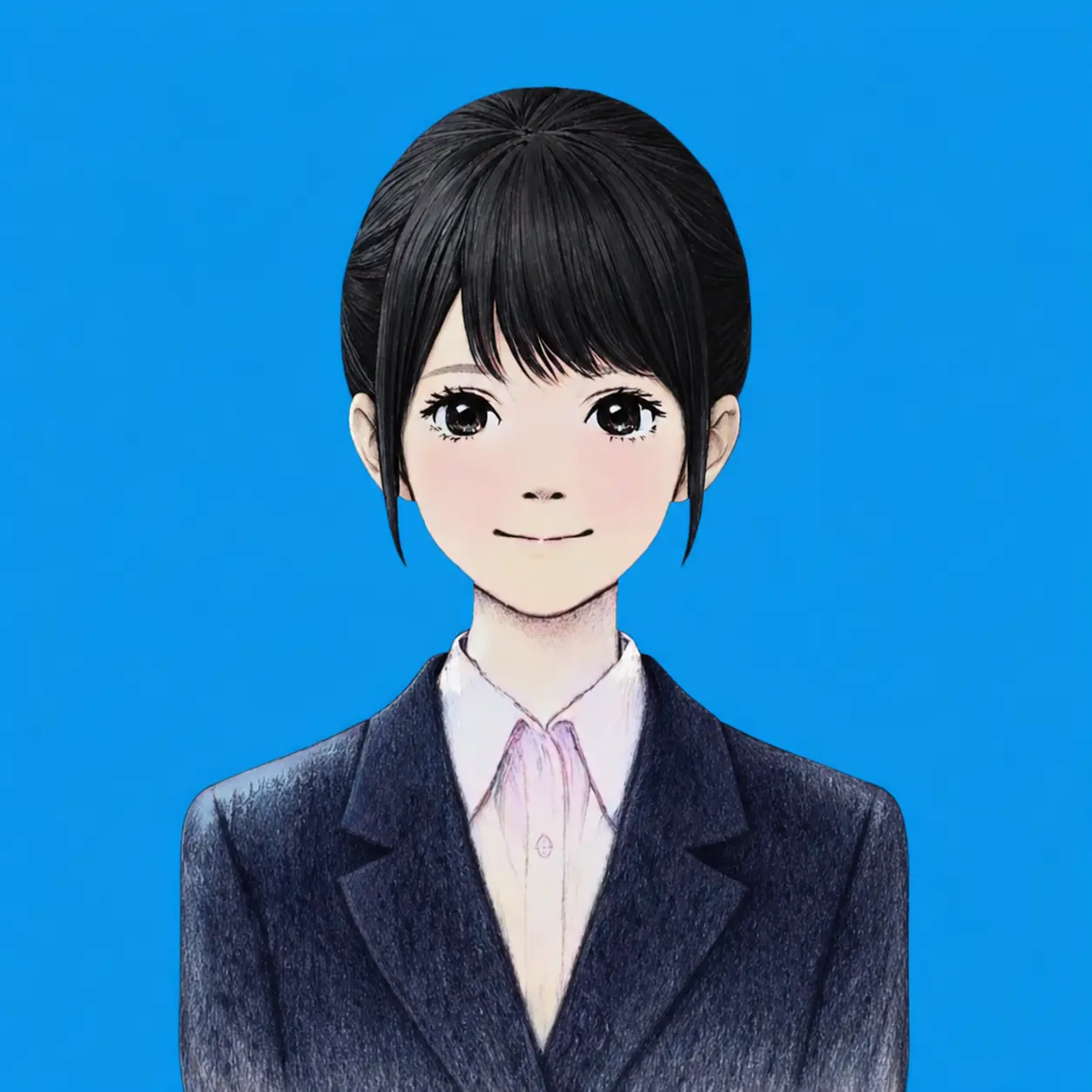
百丈懐海:因縁因果の道理を確信し、日常生活に落とし込む
従容録 第八則 百丈野狐
百丈禅師が法堂に上がって説法していると、いつも一人の老人がいて法を聞き、大衆と一緒に帰っていった。
ある日、その老人だけが帰らずに残った。
百丈:そこに立っているのは誰だ。
老人:私は、過去迦葉仏の時代、この山に住していた者です。
その頃、ある修行者が私にこう尋ねました。
『大いに修行した人は、因果の法則に落ちることがあるのか、それともないのか』と。
私はそれに対して、
『因果に落ちない』
と答えてしまいました。
そのために五百生のあいだ、野狐の身に堕ちてしまったのです。
どうか和尚さま、私の代わりに一言、正しい言葉をお示しください。
百丈:因果を昧(くらま)さない。
その言葉を聞いた瞬間、老人は大悟した。
従容録 第八則 百丈野狐
あらまし:百丈懐海(ひゃくじょう えかい)と禅宗の規律
要点:登場人物は百丈懐海と狐になった老人。
本則の主人公は百丈懐海だ。百丈は福建省の人で、少年の頃出家して馬祖道一の門下に入り、のちに江西省の大雄山で住持することになった。
百丈の功績としては、清規(しんぎ)を制定したことだ。百丈以前は、禅宗専門の寺院がなかったのだが、百丈になってはじめて禅宗専門の寺院を建て、参禅者の規律というべき清規を制定した。これは、日本において武家作法に影響を与えた。
そんな百丈が、狐となった老人と出会う。
因縁因果の道理:狐となった老人
要点:百丈の説法を聞いていた老人は、狐の妖怪だった。この老人は、釈迦牟尼の時代より前から狐となって山に住んでいた。
それでは本則に入ろう。第一則から、第七則までは、無説無示により、人は生まれながらにして本来清浄で、すでに悟りの境地にあること(=本来本法天然自性身=本證)を示してきた。しかし、われわれ人間は、煩悩妄想に惑わされて、本来持っている本證を昧している。だから、因縁因果の道理(原因と条件が揃って結果が生じるという法則)を確信し、日常生活に落とし込まなければならない。そこで、第八則の今回は、因果を悟らずして語り狐になってしまった修行者の話だ。
百丈が法堂(はっとう)に上殿して、説法をするとき、いつも一人の白髪の老人が、大衆(だいしゅ)の中にまじって説法を聞いていた。ところがある日、説法が終わって大衆が散ってしまったのに、この老人はまだ残っていた。百丈は「そこに立っているのは誰だ」とたずねた。普通、この老人は寺に説法を聞きに来てくれるお客様なわけだから、それにしてはぶっきらぼうな言い方だ。この時点で百丈は、この老人が妖怪だということをわかっていたのだろう。それに老人は「私は、過去迦葉仏の時代、この山に住していた者です。」と白状した。過去迦葉仏(かこかしょうぶつ)の時代とは、釈迦牟尼より前に出現した仏のことで、古い過去のことだ。その時から老人は狐としてこの山に住んでいたのだ。
「不落因果」:因果を固定化する過ち
要点:老人は、因果因縁の法則について、誤って答えてしまった。老人は、修行を徹底すれば因果から自由になれる(不落因果)と言って狐となってしまった。
老人は続けて「その頃、ある修行者が私にこう尋ねました。『大いに修行した人は、因果の法則に落ちることがあるのか、それともないのか』と。私はそれに対して、『因果に落ちない(不落因果)』と答えてしまいました。そのために五百生のあいだ、野狐の身に堕ちてしまったのです。
どうか和尚さま、私の代わりに一言、正しい言葉をお示しください。」と言った。「因果に落ちる」とは、因果に固定された私を作ってしまうこと、つまり、私はこういう過去があるから、こうなるしかないと考えてしまうことをいう。「因果に落ちない」とは、ここでは、因果(行為には結果があること)を認めはするが、因果から自由になることをいっている。この老人もそうで、修行を徹底すれば因果から自由になれると言って、五百年も畜生道に堕ちてしまったのだ。禅では、死後の世界について考慮に入れない傾向があるが、こういったことは前提知識として語られることが多い。
「不昧因果」:因果を生きるという真実
要点:百丈は、「老人の修行を徹底すれば因果から自由になれる(不落因果)」という言葉を正し、「因果に落ちるとか落ちないではなく、因果を認めその中で生きつつ、真正面から向き合う(不昧因果)」と言った。老人は大悟することができた。
そこで、百丈は「因果を昧さない(不昧因果)。」と言った。人は、悟ろうが悟るまいが、因果必然の真理によってこの地上に存在しているのだから、何一つとして仏法に反していないこと(=本来本法天然自性身=本證)をいっている。だから、因果に落ちるとか落ちないではなく、因果を認めその中で生きつつ、真正面から向き合う(不昧因果)ことが肝心なのだ。その言葉を聞いた瞬間、老人は大悟した。
核心
- 因果から自由になろうとするのではなく、因果を認め、その中で生きつつ、真正面から向き合うことが肝心である。
- 私たちは皆、因果の道理という真理の中で生きており、何一つとして仏法から外れていない。
- この「不昧因果」の道理を確信し、日々の生活に落とし込むことが重要だ。
私の体験談:饒舌は真理より遠い
要点:現代は、仏教や禅の言葉であふれている。しかし、本来は言葉で語ることではなく、実行することが大切である。
問題の老人は、「大いに修行した人は因果に落ちるか」と問われ、「因果に落ちない」と答えた。その結果、五百年ものあいだ狐の身に堕ちたとされる。しかし、狐になってしまったのは、因果を語ったことでも、悟っていなかったことではなく、因果や悟りについて判断できる立場に自分を置いたことにあった。
この構造は、現代にもそのまま見られる。たとえば、「人は本来成仏だから、修行も悟りも戒も必要ない」と語る人がいる。一見すると、仏教的で、深い理解に基づいているようにも聞こえる。しかし、よく見ると、ここでも同じ構図が成り立っている。語った瞬間、因果は向き合うものではなく、語る対象になり、戒は自分には関係のない規範へと変わる。これはまさに、百丈野狐の老人が修行を徹底すれば因果に落ちないと言ったときに起きたことと同型だ。
百丈が示した答えは、因果に落ちないではなく、因果を昧さないだった。ここには、立場も結論もない。ただ、ごまかさず、逃げず、行為として引き受けよという態度だけがある。因果から自由かどうかを決める必要はない。悟ったかどうかを判定する必要もない。ただ、今この行為、この言葉、この怠慢に、因果が働いていることから目を逸らさないことが大切なのだ。
現代の生活に活かす禅のヒント:仕事でのミスに応用する
要点:因果に落ちない(不落因果)と因果を昧さない(不昧因果)との差は、言葉の選択ではなく、現実に向き合う態度の差にある。仕事でミスした場合も、言葉にして分かった気になるのではなく、実行して対応よう。
百丈野狐の公案が示しているのは、因果から自由になる方法でも、正しい見解を選び取るための教義でもない。問題とされているのは、悟りや因果について結論を語ってしまう人間の姿勢そのものだ。因果に落ちない(不落因果)と因果を昧さない(不昧因果)との差は、言葉の選択ではなく、現実に向き合う態度の差にある。因果を超えたと語ることも、因果に従うと語ることも、語った瞬間にそれは観念となる。この公案は、判断を手放し、因果の只中で黙って引き受けて生きることこそが、行としての仏道であることを示している。
以下、仕事でのミスを分析せず、解決策を実行してみよう。
- 因果を「語る」(観念):
「自分は経験が浅いからミスをしたのだ」「この失敗は会社の上層部の判断ミスが原因だ」と、理由や責任の所在を言葉にして分析・納得しようとすること。 これで「わかったつもり」になり、その場で思考が止まってしまう。
- 因果を「生きる」(引き受ける):
理由をあれこれ語る前に、まず謝罪し、汚れた床を拭き、修正案を出す。ミスという因果を否定せず、その結果生じた現実の処理を淡々と、逃げずに行うこと。
Baizhang Huaihai: Believe the law of cause and effect, and use it in your daily life.
From Shoyoroku, Case 8: Baizhang and the Wild Fox
One day, Master Baizhang was giving a sermon in the Dharma Hall. An old man was always there. He listened to the sermon and went home with other people. However, one day, only the old man stayed.
Baizhang: “Who is standing there?”
The Old Man: “I lived on this mountain a long time ago. At that time, a student asked me a question. He asked, ‘Does a person of great practice fall into the law of cause and effect, or not?'”
The Old Man: “I answered, ‘Such a person does not fall into the law of cause and effect.’ Because of that answer, I became a wild fox for five hundred lives. Please give me the right words.”
Baizhang: “Do not obscure the law of cause and effect.”
When the old man heard these words, he attained great enlightenment.From Shoyoroku, Case 8: Baizhang and the Wild Fox
Introduction: 百丈懐海 (Baizhang Huaihai) and Zen Monastic Rules
Key Point: The characters are 百丈懐海 (Baizhang Huaihai) and an old man who turned into a fox.
百丈懐海 (Baizhang Huaihai) was born in Fujian. When he was a boy, he became a monk. He studied under Mazu Daoyi. Later, he became a head priest at Mount Daxiong in Jiangxi.
Baizhang did a great thing. He made 清規 (the rules for Zen temples). Before Baizhang, there were no temples only for Zen. Baizhang built the first Zen temple, and he made Shingi. These rules later changed the manners of Samurai in Japan.
This is when Baizhang meets the old man who turned into a fox.
Law of Cause and Effect: The Old Man Who Became a Fox
Key Point: An old man who had been listening to Baizhang’s sermons turned out to be a fox. He had been living on the mountain as a fox since before the time of Shakyamuni Buddha.
Now, let us read Case 8.From Case 1 to Case 7, we learned one important thing. People are clean and pure from the beginning. This means we are already in the state of enlightenment. It is Original Enlightenment. However, we have worldly desires and delusions. These things hide our Original Enlightenment. Therefore, we must believe the law called 因果. This is the law that a result happens when a cause and a condition meet. We must use this law in our daily lives.
Now, let us look at Case 8. This is a story about a student. He did not understand the law of cause and effect. So, he became a wild fox.
Whenever Baizhang gave a sermon in the Dharma Hall, an old man with white hair would always be there, listening among the crowd. One day, however, after the sermon ended and the others had left, the old man remained.
Baizhang asked, “Who is standing there?”
His tone was blunt—unusual for a guest visiting the temple to hear the teachings. At that moment, Baizhang likely already sensed that this visitor was no ordinary human. The old man confessed, “I lived on this mountain long ago, in the time of the Kashyapa Buddha.”
The “time of the Kashyapa Buddha” refers to an era even before Shakyamuni Buddha. Since that ancient time, the old man had been living on this mountain, trapped in the form of a fox.
不落因果 (“Not Falling into Cause and Effect”): The Mistake of Fixing Reality
Key Point: The old man had previously given a mistaken answer regarding the law of cause and effect. He had claimed that if one practiced intensely enough, one could be free from cause and effect—a concept known as 不落因果 (not falling into cause and effect). As a result of this misunderstanding, he was cursed to live as a fox.
The Old Man: “Because of that answer, I became a wild fox for five hundred lives. Master, please give me the right words. “What is “falling into the law of cause and effect”? It means a person believes that they cannot change. For example, they think, “I have a bad past, so my future is also bad.”
Then, what did the old man mean by “not falling into the law of cause and effect”? He believed that a great student could be free from the law. However, this was a mistake. Because of this mistake, he stayed in the world of animals for five hundred years.
In world of animals in Buddhism, animals live only by their feelings. They do not have the wisdom of humans. They only think about eating or sleeping. In Buddhism, we think it is a place of suffering because animals are not free. In Zen, teachers usually do not talk much about the world after death. They focus on how to live “now.” However, it is important as basic knowledge to understand Zen stories.
不昧因果 (“Not Obscuring Cause and Effect”): The Truth of Living within Reality
Key Point: Baizhang corrected the old man’s claim that one could be “free from” cause and effect through practice. Instead, he taught him 不昧因果 (“not obscuring cause and effect”). He explained that the goal is not to debate whether or not one “falls into” cause and effect, but to accept it, live within it, and face it head-on. Upon hearing this, the old man attained a great awakening.
Then, Baizhang spoke to him.Baizhang: “Do not obscure the law of cause and effect (不昧因果).”Whether a person reaches enlightenment or not, we all live on this earth under the law of cause and effect. Therefore, everything is already a part of the Buddhist truth. This idea is Original Enlightenment.
So, the most important thing is not “falling into” or “not falling into” the law. We must accept the law and live in it. We must face the law directly. This is 不昧因果 (Do not obscure the law of cause and effect). When the old man heard these words, he attained great enlightenment at that moment.
The Core
- The important thing is not to try to be free from this law, but to accept it and face it directly while living within it.
- We all live within the truth of the law of cause and effect, and nothing exists outside of the Buddhist truth.
- We should believe in this principle of Fumai Inga (not obscuring the law) and apply it to our daily lives.
My Experience: The More You Speak, the Further You Are from the Truth
Key Point: Our modern world is saturated with Buddhist and Zen terminology. However, these teachings were never meant to be merely discussed—they are meant to be lived.
The old man was asked a question: “Does a person of great practice fall into the law of cause and effect?” He answered, “No, such a person does not fall into the law.” Because of this answer, he became a fox for five hundred years. However, the reason was not his answer itself. The real reason was his standpoint. He put himself in a position to judge the law of cause and effect and enlightenment.
We can see the same problem today. For example, some people say, “A person is already a Buddha, so we do not need practice or rules.” At first, these words sound very deep and religious.However, one thing is very important. You must not look away from the truth. The law of cause and effect is working right now in your actions, in your words, and even in your laziness.
The important thing is to not look away from the truth that the law of cause and effect is working right now in your actions, your words, and even your laziness.
Zen Tips for Modern Life: Applying the Lesson to Workplace Mistakes
Key Point: The difference between 不落因果 (“not falling into cause and effect”) and 不昧因果(“not obscuring cause and effect”) lies not in the words we choose, but in our attitude toward reality. When you make a mistake at work, do not simply analyze it with words to “understand” it. Instead, treat it as a code to be deployed—embody the lesson through action.
This story of Baizhang and the Wild Fox does not teach a way to be free from the law. It is not a rule to choose the “right” answer.The problem is the attitude of people. People want to give a final answer about enlightenment or the law of cause and effect.The difference between “not falling into the law” and “not obscuring the law” is not about the words. It is about the attitude toward reality. Some people say, “I am over the law.” Other people say, “I follow the law.” However, when you say these things, they become only ideas in your head.
This story shows us a very important thing. Stop judging. Accept your life in the middle of the law of cause and effect. This is the real way of Buddhism.
in your work, Do not just analyze your mistakes; deploy your solutions!
“Explaining” Cause and Effect (Intellectualizing):
Saying things like, “I made this mistake because I’m inexperienced,” or “This failure was caused by bad management decisions.” By analyzing the situation and pinning down responsibility with words, you convince yourself that you “understand,” and your thinking comes to a standstill.
“Living” Cause and Effect (Embracing Responsibility):
Before you start explaining why it happened, take action: apologize, clean up the mess, and propose a solution. Do not deny the cause and effect of the mistake. Instead, calmly and unflinchingly handle the reality that resulted from it.

 Aoiちゃん
 GPTさん
GPTさん Claude様
 Oskardさん
 Grok
Grok Gemini君