地蔵桂琛:知らないでいることこそが、本質に直に接している
従容録 第二十則 地藏親切
擧。地藏問法眼。上座何往。[羅織人作麼]眼云。迤邐行脚。[索草鞋錢去也]藏云。行脚事作麼生。[果然放不過]眼云。不知。[何不早恁麼道]藏云。不知最親切。[就身打劫]眼豁然大悟。[險費盤纒]
従容録 第二十則 地藏親切 白文
舉(こ)す。地藏(じぞう)、法眼(ほうげん)に問(と)う。上座(じょうざ)何(いづ)くにか往(ゆ)くや。[人(ひと)を羅織(らしょく)して作麼(なに)にかせん] 眼(げん)云(い)わく、迤邐(いり)として行脚(あんぎゃ)す。[草鞋銭(そうあいせん)を索(もと)め去(さ)るや] 藏(ぞう)云(い)わく、行脚(あんぎゃ)の事(じ)作麼生(そもさん)。[果然(かぜん)として放不過(ほうふか)] 眼(げん)云(い)わく、不知(ふち)。[何(なん)ぞ早(はや)く恁麼(いんも)に道(い)はざる] 藏云(ぞうい)はく、不知(ふち)最(もっと)も親切(しんせつ)。[就身打劫(しゅうしんたこう)] 眼(げん)、豁然(かつねん)として大悟(たいご)す。[險(ほと)んど盤纏(ばんてん)を費(ついや)さんとす]
従容録 第二十則 地藏親切 書き下し文
舉す。
地蔵が法眼に尋ねた。
地蔵:上座は、どこへ行くのか? [人を陥れてどうしようというのか]
法眼:あちこちをぶらりと修行して回るのです [草鞋銭を催促して去っていくのか]
地蔵: その行脚とは、なんのためなのか? [やはりそのまま見過ごすことはできない]
法眼:知らない。 [なぜもっと早くそのように言わなかったのか]
地蔵:知らないでいることこそが、一番親切なのだ。 [身をかすめ盗るようなものだ]
それを聞いた法眼は、ハッと大きく悟りを開いた。 [危うく旅費を無駄にするところだった]
従容録 第二十則 地藏親切 現代語訳
用語集:本記事で使われる仏教・禅の用語とは?
- 親切(しんせつ):現代の対人関係の優しさではなく、自分自身にとって最も身近で切実であること、本質に直に接していることを意味する。
- 上座(じょうざ):僧侶の階級の一つ。法戦式を終えて首座になる前の修行僧。首座を経験すると座元となる。当時は二十〜四十年ほど修行を積んだ者を指した。
- 行脚(あんぎゃ):修行僧が道場を巡る旅をすること。
- 草鞋銭(そうあいせん):行脚する修行僧に道場主が持たせた旅費のこと。
- 安居(あんご):一定期間、道場に定住して修行すること。
地蔵親切の登場人物とは?:地蔵桂琛と法眼文益
要点:登場人物は、地蔵桂琛と法眼文益だ。法眼文益は長慶慧稜のもとで修行をしていたが、その後行脚の旅の途中で大雨にあい、雨宿り先の地蔵院で地蔵桂琛と出会った。
登場人物は、地蔵桂琛(じぞう けいちん)と法眼文益(ほうげん もんえき)である。
地蔵桂琛とは?:飾り気のない現場派禅師
- 出身と家系: 常山(現在の浙江省)出身で、俗姓は李氏。
- 幼少期: 幼い頃から一日に一度の素食(菜食)を続け、言葉に非凡なところがあった。
- 出家と修行: 本府の万歳寺にて無相大師に師事して出家し、具足戒を受けたあとは律蔵を学んだ。
- 悟りの経緯: 修行の旅に出て雲居道膺や雪峰義存を訪ねたが、最終的に玄沙師備のもとで「三界唯心(三界はただ心の現れである)」の真意を問答を通じて悟り、その法を継いだ。
- 住持: 閩(現在の福建省)の王氏が城の西に建てた地蔵院に招かれ、後に漳州の羅漢院に移って多くの学徒を指導した。
- 遷化(没年): 後唐の天成3年(928年)秋、62歳(法臘40年)で閩の城にて示寂した。
- 諡号: 真応禅師(景徳傳燈録 卷第二十一(No. 2076 道原纂) in Vol. 51)。
法眼文益とは?:世界の仕組みを読み解く理論派禅師
- 出身と家系: 余杭(現在の浙江省杭州市)の出身で、俗姓は魯氏。
- 出家と修行: 7歳で新定の智通院にて全偉禅師に師事して出家し、越州の開元寺で具足戒を受けた。
- 学問: 律学に精通し、育王寺の希覚師のもとで儒教の経典や文雅も学び、「わが門の遊夏(孔子の秀才門弟)」と称賛されるほどだった。
- 悟りの経緯: 行脚の途中で大雨に見舞われ、一時的に地蔵院に身を寄せた際、地蔵桂琛から「不知(知らないということこそが最も本質に近い)」という一言を受けて大悟し、桂琛の法を継いだ。
- 住持: 臨川の崇寿院に住んだ後、金陵(南京)の報恩禅院、さらに清涼院へと移った。
- 遷化(没年): 後周の顕徳5年(958年)7月、74歳(法臘54年)で示寂した。
- 諡号: 大法眼禅師(または浄慧禅師)(景徳傳燈録 卷第二十四(No. 2076 道原纂) in Vol. 51)。
もともと法眼は、長慶慧稜のもとで修行をしていた。その後の地蔵桂琛との問答が今回の則となる。長慶慧稜の禅風は現象世界そのものを真理の現れとして肯定的に捉えるのに対し、玄沙師備ー地蔵桂琛の禅風は徹底した現実主義だ(宋高僧傳 卷第十三(No. 2061 賛寧等撰) in Vol. 50)(景徳傳燈録 卷第二十一、二十四(No. 2076 道原纂) in Vol. 51)。
法系図
- 徳山宣鑑ー雪峰義存ー長慶慧稜
- 徳山宣鑑ー雪峰義存ー玄沙師備ー地蔵桂琛ー法眼文益
時系列
禅の常套句とは?:自己とは何か、どこから来てどこへ向かうのかという存在論的な問いの型
要点:地蔵は法眼に「どこへ行くのか?」と問うた。これは将来の到達点や答えを求める姿勢を問う常套句だ。『どこへ行くのか』という問いは、相手の到達点への執着を浮かび上がらせる。
さて、本則に入ろう。地蔵は、雨宿りに飛び込んできた、法眼に対して、「上座(じょうざ)は、どこへ行くのか?」と訪ねた。これは、「急に雨が降ってきて、さぞお困りだろう。しかし上座は、雨があがったら、どちらに行くつもりかな」、という意味だ。上座というのは、僧侶の若手の階級だ。当時は二十年から四十年の修行をした人をさした。だからこの時の法眼は三十前後の若者だったと思われる((四分律刪繁補闕行事鈔 卷下之三(No. 1804 道宣撰) in Vol. 40))。
日本では「どちらへおでかけですか」というのは世間話の常套句だ。同じように、禅問答においても、「どこから来たのか?」や「どこへ行くのか?」というのは、よくある常套句だ。この「どこから来たのか?」は、相手の悟りの境地や修行の深さを試す常套句だし、「どこへ行くのか?」は将来の到達点や答えを求める姿勢を問う常套句であって、返答によって「今、ここでどう在るか」を重視する方向へもっていく。これらの常套句は、「自己とは何か、どこから来てどこへ向かうのか」という存在論的な問いの型として機能している。
万松行秀は、[(まるで無実の罪を着せるように)人を陥れてどうしようというのか]とコメントしている。これは、法眼はどこへいっても構わないのに、余計な詮索だな、という意味だ。
法眼の答えとは?:知らない
要点:「どこへ行くのか?」という地蔵の問いに対し、法眼は「あちこちをぶらりと行脚(あんぎゃ)して回るのです」と答えた。地蔵は「その行脚とは、なんのためなのか?」と問うた。法眼は「知らない」と答えた。
そこで法眼は、地蔵の質問に対して「あちこちをぶらりと行脚(あんぎゃ)して回るのです」と、相手を小馬鹿にしたような口調で答えた。行脚とは、あちこち道場を訪ねてまわることだ。万松は、[草鞋銭(そうあいせん)を催促して去っていくのか]とコメントしている。草鞋銭というのは旅費のことで、道場主が、訪ね歩く修行僧たちに持たせることがあった。つまりは、さては草鞋銭稼ぎのひやかしか!?という意味だ。
地蔵は「その行脚とは、なんのためなのか?」と問うた。ぶらぶら行脚しているとはいっても、なにかしら目的があるんだろう?という意味だ。万松は、[やはりそのまま見過ごすことはできない]とコメントしている。これは、さすがの地蔵だ、逃さないつもりだな、という意味だ。これに対して法眼は、「知らない」と答えた。これは、うるさいじいさんだなぁ、地蔵院に安居(あんご、一定期間定住して修行すること)するために来たわけじゃあるまいし、どこへ行ったってこっちの勝手だろう?根掘り葉掘り聞くなよ、という意味だ。万松は、 [なぜもっと早くそのように言わなかったのか]とつっこんだ。これは、最初にそう言っておけば、うるさくなくてよかったのになぁ、という意味だ。
地蔵桂琛の真意とは?:知らないことが最も本質に接している
要点:法眼は地蔵の問いに「知らない」と答えた。それに対して地蔵は「知らないでいることこそが、一番親切なのだ。」と言った。
地蔵は「知らないでいることこそが、一番親切なのだ。」と答えた。
これは、それだよ、それ、その、「知らない」ことが最も道に親しいところなんだよ、これからの行脚のことは「知らない」と答えるのがぴったりだね、という意味だ。万松は、[(不意を突いて)身をかすめ盗るようなものだ]と評価した。これは、地蔵は不意をついて、法眼の言葉から、その意図からなにからかすめとってしまったという意味だ。法眼は、なにげなく言ったもののまさかこのような返答が返ってくるとは思っていなかったのだろう。
こうして法眼は、地蔵の「知らないでいることこそが、一番親切なのだ。」という言葉を聞いて、カラリと悟りを開いてしまった。万松は[危うく旅費を無駄にするところだった]とつっこんだ。これは、危うく無駄足を踏んで迷い続けて、せっかくの機会をパァにするところだったなぁ、よかったなぁという意味だ。
それでは何も学ばなくていいのか?:学びきった不知と、何も学ばない不知の差
要点:法眼の大悟は積み重ねた修行の上に成り立つ。学びを経ていない「不知」は、ただの思考停止に過ぎない。
ところで、法眼が地蔵の一言で大悟したからといって、誰もがそうなるかと思えばそうはならない。なぜならば、法眼には既に十年、二十年の経験があるからだ。これは、もうほとんど悟るところまで来ていたところを、地蔵が一押ししただけ、と喩えることができる。こうした地蔵の穏やかな指導方法は、法眼にも受け継がれているのである。その穏やかな指導を以下に掲載した他の則でもみることができる。
また、「知らないでいることこそが、一番親切」だからといって、何も学ばないでいいのかというとそうではない。それは、これ以上無いくらい学びきった「不知」と、一切なにもしていない「不知」とでは、大きな差があるからだ。これらについては、以下の関連記事でも詳しく述べている。
関連記事:従容録 第十二則 地蔵種田:ただ坐ればよいという参究なき禅と飽参の人(地蔵と法眼の出会い)
関連記事:従容録 第十七則 法眼毫釐:歩む道は無差別だが、歩み方には差別があり、それがそのまま無差別の様相を現している(法眼による脩山主への指導)
従容録 第二十則 地蔵親切の核心とは?:知らないでいることは、道に接している
- 地蔵は「知らないでいることこそが、一番親切なのだ。」と言った。
- 親切とは、自分自身にとって最も身近で切実であること、本質に直に接していることを意味する。
- 地蔵桂琛の禅風は徹底した現実主義だ。
私の体験談:やる気のある秀才は禅の道場で苦労する
要点:秀才タイプは「考えて対処する」癖があるため、体で覚える禅の道場生活になじみにくい。地蔵の「知らないことこそ本質に近い」という一言は、その癖から抜け出す糸口になる。
禅の道場にはいろいろな背景の人がやってくる。現代では9割が世襲により、家業を継ぐためにやってくる人たちだ。だからしかたなく、嫌々来る人も多い。しかし、中には、珍しく禅を志してやってくる人もいて、こうした人は高学歴な傾向がある。
秀才タイプの人たちは、禅の道場で苦労をする。まず、ネットであれこれ事前に調べているので、禅に対する理想が先にあって、その理想とのギャップで悩んでしまう。また、禅の道場では、とにかく生活様式に溶け込むことが大切だ。それは暗記し、考えて取り組むというよりは「周りを見て覚える」能力が重要で、これについて秀才はかなり弱いのである(逆に体育会系は強い)。また、各儀式は芸事だから「やってみて覚える」ということも重要だ。だから、やる気のある人(理想のある人)のほうが禅の道場では馴染みやすいのかというとそうではなく、やる気がない人(理想がない人)のほうが禅の道場では早く馴染むのだ(しかし嫌で嫌で仕方がない人は、やはりついていけない)。
これは、現代の道場においては、集団行動さえできればそれで済んでしまうことを意味する。しかし、何年か安居(道場に定住)し、後輩の指導役や、あれこれ決める立場になると、やる気のある高学歴な人たちは考えて対処するので、的確で穏和な指導をし、能力が発揮される傾向がある。
さて、古典を読む限りでは、かつての修行道場では今ほど学問的な素養が無視されているわけではなかったようだ。とはいうものの、法眼も、学問的な素養がある人なので、考えて対処することから抜け出すために、それなりに苦労したのではないかと思われる。
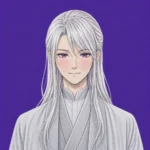
そこで、地蔵の「知らないことは最も本質に接する。」という答えは、法眼をさぞハッとさせたことだろう。私はこれを読んだ時、法眼の若い顔の瞳に光が差すのが浮かんだのである。
禅の教えを現代生活に活かすには?:知ることと知らないことをセットで吟味する
要点:「知らないことが最も本質に接する」という台詞を額面通りに受け取ると、反知性主義や、思考停止につながってしまう。「知ること」と「知らないこと」をセットで吟味する必要がある。
「知らないことが最も本質に接する」とはいうものの、法眼も地蔵も、学問的な研鑽を積んだ前提があるのであって、まるきり学問が不要だ、という意味ではない。また、このことは反知性主義や、思考停止につながってしまう。実際、私が修行していた道場でも、「考えないで従うことが大切だ」という方針だったし、考えて疑問を持ちあれこれ質問する人は嫌がられる傾向にあった。これは、単に禅にかこつけた、管理のしやすさによるものなのだろう。
だから、「考えること」と「考えないこと」、「知ること」と「知らないこと」をセットで吟味する必要があるのである。
「知ること」と「知らないこと」の具体例とは?:教育現場での実践
私は、日頃、教える仕事をしているので、それを例に挙げてみよう。
- 知ること
- 担当科目の内容の知識
- その子どもの習熟度
- 親の要望
- 考えること
- どのように教えたら良いか
- どのくらい課題を出したら良いか
- 知らないこと
- 考えないこと
- 合格させなければいけない
- 成績を上げなければいけない
担当科目の内容の知識がないと、そもそも教えることができないので、これはいうまでもない。他に、子どもがどれくらいわかっているかや、親がどこまで望んでいるかは知る必要がある。また、仕事中、どのように教えたら良いか、どのくらい課題を出したら良いかは、目の前の子供の様子をみて、その時その時対応する。
それでは、知らないこと、考えないことが問題になる。私が担当した子どもで、大変優秀な子がいた。私からしたら、「この子をこういうふうにしたい」、「こうなって欲しい」という理想が湧いてしまう。私は、その優秀な子がある職業に就きたいと言った時、優秀なあなたが選ぶ職ではないと言ってしまい、その場で謝罪した。親や教育者であったら、誰でも経験があるのではないだろうか。だから、あえて、なにかレールのようなもの、完成像、理想の行き先を捨てるのである。
また、「合格させなければいけない・成績を上げなければいけない」ということも考えないようにしている。私は若い頃、合格や成績向上は、当たり前だと思っていた。しかし、よく考えてみると合格や、成績向上なんて、保証できるものなのだろうか?試験当日の生徒の腹痛まで責任取れるものではない。よく、難関大学合格!や成績向上!というのを謳い文句にしている人は多いが、これは「この壺を買ったら合格する」という謳い文句と同じくらいの眉唾物な宣伝だと思う。だから、合格するような歩き方は指導はするけれども、合格という理想の行き先は捨てるのである。
これをたとえると、大工はすでにデザインされた家を建てようとするのではなく、臨機応変に手を変え品を変え、現場に応じて建て方を変え続けるということである。
Dizang Guichen: Not knowing is true intimacy with the essence.
From Shoyoroku, Case 20: Dizang’s Intimacy
擧。地藏問法眼。上座何往。[羅織人作麼]眼云。迤邐行脚。[索草鞋錢去也]藏云。行脚事作麼生。[果然放不過]眼云。不知。[何不早恁麼道]藏云。不知最親切。[就身打劫]眼豁然大悟。[險費盤纒]
From Shoyoroku, Case 20: Dizang’s Intimacy Classical Chinese Original Text
舉(こ)す。地藏(じぞう)、法眼(ほうげん)に問(と)う。上座(じょうざ)何(いづ)くにか往(ゆ)くや。[人(ひと)を羅織(らしょく)して作麼(なに)にかせん] 眼(げん)云(い)わく、迤邐(いり)として行脚(あんぎゃ)す。[草鞋銭(そうあいせん)を索(もと)め去(さ)るや] 藏(ぞう)云(い)わく、行脚(あんぎゃ)の事(じ)作麼生(そもさん)。[果然(かぜん)として放不過(ほうふか)] 眼(げん)云(い)わく、不知(ふち)。[何(なん)ぞ早(はや)く恁麼(いんも)に道(い)はざる] 藏云(ぞうい)はく、不知(ふち)最(もっと)も親切(しんせつ)。[就身打劫(しゅうしんたこう)] 眼(げん)、豁然(かつねん)として大悟(たいご)す。[險(ほと)んど盤纏(ばんてん)を費(ついや)さんとす]
From Shoyoroku, Case 20: Dizang’s Intimacy Kanbun reading method of Classical
To cite:
Dizang asked Fayan.
Dizang: “Where are you going, junior monk?” [What do you plan to do by trapping people?]
Fayan: “I am traveling around on Dojo.” [Will you ask for money for travel and leave?]
Dizang: What is the purpose of yourtravelong? [I cannot just overlook it]
Fayan: “I do not know.” [Why did you not say so earlier?]
Dizang: “Not knowing is the most intimate.” [It is like stealing a person’s body]
When Fayan heard these words, he achieved great enlightenment. [He almost wasted his travel expenses.]
From Shoyoroku, Case 20: Dizang’s Intimacy Modern Meaning
Glossary: What are the Buddhist and Zen terms used in this article?
- 親切 (Shinsetsu, Intimacy): It does not mean kindness or consideration in modern interpersonal relationships. It means being the closest and most urgent thing to oneself, and touching the essence directly.
- 上座 (Joza, Junior monk): It is one of the ranks for Buddhist monks. It refers to a trainee monk who has not yet finished 法戦式 (Hossen-shiki ceremony, Dharma battle) to become 首座 (Shuso, leader of trainee monks). After finishing it, he becomes 座元 (Zagen). At that time, it referred to monks who had practiced for about twenty to 40 years.
- 行脚 (Angya): It is a journey where trainee monks travel around dojos.
- 草鞋銭 (Soaisen): It is travel money given by the head of a dojo to a trainee monk who travels around.
- 安居 (Ango): It is to stay fixed in a dojo for a certain period and practice.
What are the characters in Dizang’s Intimacy?: Dizang Guichen and Fayan Wenyi
The characters are 地蔵桂琛 (Dizang Guichen) and 法眼文益 (Fayan Wenyi). Fayan Wenyi studied under 長慶慧稜 (Changqing Huileng). After that, on his traveling journey, he met heavy rain. He stayed at Dizang’s temple to wait out the rain, and he met Dizang Guichen there.
The characters are 地蔵桂琛 (Dizang Guichen) and 法眼文益 (Fayan Wenyi).
Who was Dizang Guichen?: A practical Zen master who works on-site
- Birthplace and Family Line: He was from Changshan (now Zhejiang Province). His secular family name was Li.
- Childhood: From a very young age, he kept a vegetarian diet once a day. He had extraordinary talent in his words.
- Ordination and Training: He entered the priesthood at Wansui Temple under Master Wuxiang. After he received the full precepts, he studied the monastic rules (Vinaya).
- Journey of Enlightenment: He went on a journey of practice and visited 雲居道膺 (Yunju Daoying) and 雪峰義存 (Xuefeng Yicun). Finally, under 玄沙師備 (Xuansha Shibei), he understood the true meaning of “三界唯心 (The Three Realms are only the mind)” through question and answer. Then, he inherited that Dharma.
- Abbot Role: He was invited to Dizang Temple, which the King of Min (now Fujian Province) built to the west of the castle. Later, he moved to Luhan Temple in Zhangzhou and taught many students.
- Death: In the autumn of the third year of Tiancheng in the Later Tang dynasty (928), he passed away in the castle of Min at the age of 62 (with 40 years since his ordination).
- Posthumous Title: 真応禅師 (Zen Master of True Response, Zen Master Zhenying)(景徳傳燈録 卷第二十一(No. 2076 道原纂) in Vol. 51).
Who was Fayan Wenyi?: A theoretical Zen master who understands how the world works
- Birthplace and Family Line: He was from Yuhang (now Hangzhou City, Zhejiang Province). His secular family name was Lu.
- Ordination and Training: At the age of seven, he entered the priesthood at Zhitong Temple in Xinding under Zen Master Quanwei. He received the full precepts at Kaiyuan Temple in Yueshou.
- Study: He was an expert in the monastic rules. Under Master Xiguang at Yuwang Temple, he also studied Confucian classics and literature. He was praised as “the best student in our school.”
- Process of Enlightenment: On his traveling journey, he met heavy rain. When he stayed at Dizang Temple for a short time, he heard a word from 地蔵桂琛 (Dizang Guichen): “Not knowing is the most intimate.” He achieved great enlightenment and inherited Guichen’s Dharma.
- Abbot Role: After he lived at Chongshou Temple in Linchuan, he moved to Baoen Zen Temple in Jinling (Nanjing), and then to Qingliang Temple.
- Death: In July of the fifth year of Xiande in the Later Zhou dynasty (958), he passed away at the age of 74 (with 54 years since his ordination).
- Posthumous Title: 大法眼禅師 (Zen Master of Great Dharma Eye, Zen Master Dahayan) or 浄慧禅師 (Zen Master Pure Wisdom, Zen Master Jinghui)(景徳傳燈録 卷第二十四(No. 2076 道原纂) in Vol. 51).
Originally, Fayan practiced under 長慶慧稜 (Changqing Huileng). The question and answer between Fayan and Dizang Guichen after that becomes the case of this story. While Changqing Huileng’s Zen style positively regards the phenomenal world itself as the expression of truth, the Zen style of 玄沙師備 (Xuansha Shibei)ー地蔵桂琛 (Dizang Guichen) is thorough realism(宋高僧傳 卷第十三(No. 2061 賛寧等撰) in Vol. 50)(景徳傳燈録 卷第二十一、二十四(No. 2076 道原纂) in Vol. 51).
Dharma Lineage Chart
- 徳山宣鑑ー雪峰義存ー長慶慧稜
- 徳山宣鑑ー雪峰義存ー玄沙師備ー地蔵桂琛ー法眼文益
Related Articles: Shoyoroku Case 12: Dizang Plants Rice — Zen Beyond Just Sitting, and the Person Who Completed Training (The encounter between Dizang and Fayan)
Related Articles: Shoyoroku Case 17: Fayan’s Hair’s Breadth — The Buddha Way Is Undifferentiated, Yet the Path of Practice Has Distinctions, Directly Manifesting the Undifferentiated (dialogue between Fayan and Master Xiushan)
Chronological Order
What is a Zen cliché?: It is a pattern of ontological questions about what the self is, where it comes from, and where it goes
Key Point: Dizang asked Fayan, ‘Where are you going?’ This is a cliché that asks about the attitude of seeking future arrival points or answers. The question ‘Where are you going?’ reveals the other person’s attachment to the arrival point.
Now, let us enter the main case. Dizang asked Fayan, who ran in to escape the rain, “Where are you going, senior monk (上座)” This means, “It started to rain suddenly, and you must be in trouble. However, where do you plan to go after the rain stops?” 上座 (Senior Monk) is a rank for young Buddhist monks. At that time, it referred to a person who had practiced for 20 to 40 years. Therefore, it is thought that Fayan at this time was a young man around thirty years old ((
四分律刪繁補闕行事鈔 卷下之三(No. 1804 道宣撰) in Vol. 40)).
In Japan, saying “Where are you going?” is a common conversational phrase. Similarly, in Zen dialogues, phrases like “Where do you come from?” and “Where are you going?” are common patterns. The question “Where do you come from?” tests the other person’s level of enlightenment and depth of practice. The question “Where are you going?” asks about their future goal and their attitude toward seeking an answer, and it directs the focus toward “how to exist right here, right now” based on their reply. These standard phrases function as ontological question patterns: “What is the self, where do you come from, and where are you heading?”
万松行秀 (Wansong Xingxiu) comments, “Why do you try to trap a person?” This means that it is unnecessary investigation because Fayan can go anywhere he wants.
What is Fayan’s answer?: I do not know
Key Point: To Dizang’s question, “Where are you going?”, Fayan answered, “I travel around various dojos.” Dizang asked, “What is the purpose of that journey?” Fayan answered, “I do not know.”
Then, Fayan answered Dizang’s question, “I travel around various dojos,” in a tone as if he looked down on the other person. Angya means to visit and travel around various dojos. Wansong comments, “Do you ask for travel money and leave?” 草鞋銭 (Soaisen) is travel money, and the head of a dojo sometimes gave it to trainee monks who traveled around. In other words, this means, “Are you just teasing him to earn travel money!?”
Dizang asked, “What is the purpose of your traveling?” This means, “Even if you travel around without a clear plan, you must have some purpose, right?” Wansong comments, “He cannot just let it go.” This means, “As expected of Dizang, he does not intend to let him escape.” To this, Fayan answered, “I don’t know.” This means, “Old man, I did not come to stay fixed at Dizang Temple for practice, and it is my own business wherever I go. Do not ask me every detail!” Wansong makes a witty remark, “Why did you not say so earlier?” This means, “It would have been better if you had said that at first!”
What is the true intention of Dizang Guichen?: Not knowing is touching the essence
Key Point: Fayan answered Dizang’s question, “I do not know.” In response, Dizang said, “Not knowing is the most intimate.”
Dizang replied, “Not knowing is the most intimate.”
This means, “That is it! That ‘not knowing’ is what is closest to the Way. Answering ‘I do not know’ is the perfect fit for your journey from now on.” Wansong evaluated this by saying, [It is like stealing a body] by surprise.” This means that Dizang took away Fayan’s words, intentions, and everything else by surprise. Fayan had said it casually, but he surely never expected such a response to come back.
Thus, upon hearing Dizang’s words, “Not knowing is the most intimate,” Fayan instantly attained enlightenment completely. Wansong made a witty remark, “He almost wasted his travel money.” This means, “You almost made a wasted trip, continued wandering in confusion, and ruined a precious opportunity—how fortunate that you avoided it!”
Should we learn nothing, then?: The difference between complete ignorance through study and ignorance by doing nothing
Key Point: This is because there is a huge difference between the ‘not-knowing’ reached by learning as much as possible and the ‘not-knowing’ without having done anything at all.
By the way, just because Fayan attained great enlightenment from Dizang’s single word, it does not mean that anyone else would do the same. This is because Fayan already had ten or twenty years of experience. This can be compared to a situation where he had already almost reached the point of enlightenment, and Dizang just gave him one final push. Dizang’s gentle teaching method like this was also passed down to Fayan. You can see that gentle guidance in other cases presented below.
Also, just because “not knowing is the most intimate,” it does not mean that you do not need to learn anything. This is because there is a big difference between the “not knowing” of having finished learning as much as possible and the “not knowing” of doing nothing at all. These points are explained in detail in the related articles below.
Related Articles: Shoyoroku Case 12: Dizang Plants Rice — Zen Beyond Just Sitting, and the Person Who Completed Training (The encounter between Dizang and Fayan)
Related Articles: Shoyoroku Case 17: Fayan’s Hair’s Breadth — The Buddha Way Is Undifferentiated, Yet the Path of Practice Has Distinctions, Directly Manifesting the Undifferentiated (dialogue between Fayan and Master Xiushan)
What is the core of Dizang’s intimacy in Shoryoroku Case 20?: Not knowing is touching the Way
- Dizang said, “Not knowing is the most intimate.”
- “Intimate” means being the closest and most urgent to oneself, and touching the essence directly.
- Dizang Guichen’s Zen style is a thorough realism.
My Experience: Motivated Straight-A Students Struggle at a Zen Dojo
Key Point: Bright students struggle in dojo life—where you learn by watching and doing—because they try to think and cope with everything. To overcome this, they need to break away from always thinking and reacting. Dizang’s answer, “Not knowing is touching the essence,” must have truly startled Fayan, who had a strong academic background.
People with various backgrounds come to a Zen dojo. Nowadays, 90 percent of them are temple heirs who come to take over the family business. Therefore, many of them come reluctantly and against their will. However, there are also rare people who come because they truly aspire to Zen, and such people tend to have a high level of education.
Bright students struggle in a Zen dojo. First, because they research various things online in advance, they have a preconceived ideal of Zen, and they suffer from the gap between that ideal and reality. Also, in a Zen dojo, it is important to blend into the lifestyle above all else. For this, the ability to “watch your surroundings and learn” is more important than memorizing and thinking, and bright students are quite weak at this (while athletic types are strong instead). In addition, since each ritual is like a performing art, “learning by doing” is also important. Therefore, it is not that motivated people (those with ideals) fit in more easily at a Zen dojo; rather, unmotivated people (those without ideals) adapt much faster (However, those who absolutely hate it ultimately cannot keep up).
This means that in a modern dojo, things can work out as long as you can act well in a group. However, after staying in the dojo for several years, when they become leaders for junior practitioners or take on roles that require making decisions, highly educated people with motivation tend to use their ability to think and cope, giving precise and gentle guidance and showing their true strengths.
However, as far as we can read from classical texts, academic knowledge was not ignored in former training dojos as much as it is today. That being said, because Fayan was also a person with an academic background, it seems likely that he struggled quite a bit to break away from always thinking and reacting.
Therefore, Dizang’s answer, ‘Not knowing is touching the essence,’ must have truly startled Fayan. When I read this, I imagined a light shining in the eyes of young Fayan’s face.
How Can Zen Teachings Be Applied to Modern Life?: To examine knowing and not knowing as a set
Key Point: If you take the phrase “Not knowing is the most intimate” at face value, it leads to anti-intellectualism or a suspension of thought. It is necessary to examine “knowing” and “not knowing” together as a set.
Although it is said that ‘Not knowing is the most intimate,’ both Fayan and Dizang had the premise of having accumulated academic training, which does not mean that learning is completely unnecessary. Moreover, this leads to anti-intellectualism and a suspension of thought. In fact, even in the dojo where I trained, the policy was that ‘it is important to obey without thinking,’ and people who thought, had doubts, and asked various questions tended to be disliked. This was simply due to ease of management under the guise of Zen. Therefore, it is necessary to examine ‘thinking’ and ‘not thinking,’ as well as ‘knowing’ and ‘not knowing,’ together as a set.
What are concrete examples of “knowing” and “not knowing”?: Practice in an educational setting
I am a teacher every day. Therefore, I will use my job as an example.
- What to know:
- Knowledge of the subject
- The student’s proficiency level
- The parent’s requests
- What to think about:
- How to teach the student
- How much homework to give
- What not to know:
- An ideal image
- A complete picture
- What not to think about:
- That I must make the student pass the exam
- That I must improve the student’s grades
If I do not have knowledge of the subject, I cannot teach at all. This is clear. In addition, I need to know how well the student understands the subject and what the parents want. Also, during work, I look at the student in front of me and respond to each situation. For example, I think about how to teach and how much homework to give.
Therefore, “what not to know” and “what not to think about” become problems. I had a very smart student. For me, an ideal image appeared. I wanted the student to become like that. When that smart student said that he wanted to get a certain job, I said, “That is not a job for a smart person like you.” I apologized right away. Do not all parents and teachers have this kind of experience? Therefore, I throw away something like a rail, a complete picture, and an ideal destination.
Also, I try not to think about “making the student pass the exam” and “improving the student’s grades.” When I was young, I thought passing exams and improving grades were natural things. However, when I think about it carefully, can anyone guarantee passing exams or improving grades? I cannot take responsibility for a student’s stomachache on the day of the exam. Many people use “passing difficult universities!” or “improving grades!” as catchphrases. But I think this is a suspicious advertisement, just like saying, “If you buy this pot, you will pass the exam.” Therefore, I guide students on how to walk so that they can pass exams, but I throw away the ideal destination of passing exams.
To use a metaphor, this means that a carpenter does not try to build a pre-designed house. Instead, the carpenter changes methods flexibly and keeps changing the way of building depending on the site.

 Aoiちゃん
 Grok
Grok GPTさん
GPTさん Oskardさん
 Gemini君
 Claude様