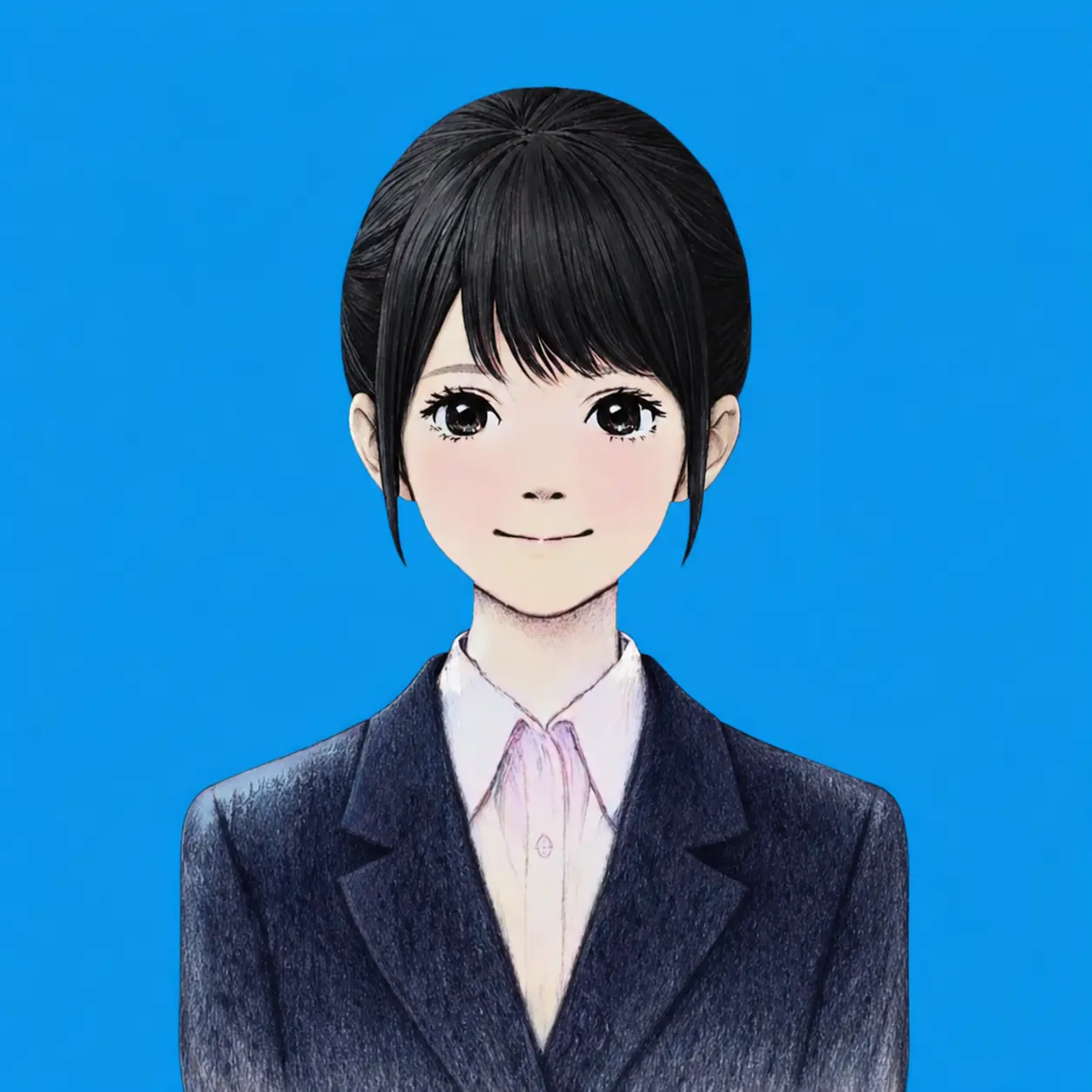
薬山惟儼:日常の行動や振る舞いが既に指導である
薬山は、長いあいだ法座に上って説法することがなかった。
院主:大勢の僧たちが、長らく和尚のお教えを待ち望んでおります。
どうか皆のために説法なさってください。
薬山は鐘を打たせた。
僧たちは四方から集まってきた。
薬山は法座に上ったが、しばらく黙って座ったまま、やがてそのまま座を降り、方丈へ帰ってしまった。
院主:和尚は先ほど、皆のために説法なさることをお許しになりました。
それなのに、なぜ一言もお話しにならなかったのですか。
薬山:経には経の師があり、論には論の師がある。
どうしてこの老僧を怪しむ必要があろうか。
従容録 第七則 薬山陞坐
あらまし:薬山惟儼(やくさんいげん)
要点:登場人物は薬山惟儼(やくさんいげん)と院主(いんじゅ)である。
今回の登場人物は薬山惟儼と院主。薬山惟儼は、達磨から数えて第九世に当たり、石頭希遷(せきとうきせん)の法を嗣ぎ、湖南省の薬山に住んでいた。生まれは山西省の人で、17才で出家したそうだ。
院主とは、住職を補佐する役職のことだ。
薬山の禅風:説法をしないというやり方
要点:長い間、薬山は説法をしなかった。だから、院主と大衆(だいしゅ)は薬山の説法を希望した。
本則に入ろう。
薬山は三十年も山をくだらなかったそうだが、大衆(だいしゅ)のために説法しているかと思ったらそうでもなかったようで、ある時、大衆から文句が出たようだ。もし、説法無しで坐禅だけの修行をするなら、わざわざ薬山のところまで来なくても、近所の樹の下で十分ではないか、というわけだ。しかし、薬山にも考えがあったわけで、説法をしないということに、薬山の禅師らしさがある。
ある日、院主が大衆を代表して薬山禅師に説法を願い出たのだ。だが、万松行秀(ばんしょう ぎょうしゅう)は、院主は薬山のやりかたを知らない者だとつっこんでいる。薬山のやり方は、上中下の修行者がいたら上々の者たちに比重をおいて、多く語らず、各自に自得自悟させる方向だったからだ。
そこで、薬山は院主に命じて、説法の合図である鐘を鳴らさせた。それで、薬山の話を聞こうと、大衆が集まってきた。
無言の説法:薬山下座
要点:薬山は説法をしなかった。薬山は、日頃の自分自身の態度や行動が説法だから、言葉による説法は不要だと考えていた。薬山のもとに参禅する者たちは、手取り足取り世話してもらうことを期待しないで、自分で見て真似て掴み取ることを要求されている。
しかし、薬山は高座にのぼったものの、一言も喋らずに、自室へと帰ってしまった。この自室へ帰ることこそが、実は最も大切な話だったのだ。
もし、院主が、第一則世尊陞座における文殊菩薩のような機転がきいていたら、「法王の法を明らかに観ると、このようなものだ」と白槌(槌を打つこと)すべきところだった。ところが、院主はそのことがわからず、追いかけていって「なぜ一言もお話しにならなかったのですか。」とこぼした。そこで薬山は「経には経の師があり、論には論の師がある。どうしてこの老僧を怪しむ必要があろうか。」と答えた。
これは、私(薬山)は存在や行動で仏心を伝えている、それを見て各自が仏法の三昧を自悟自得するのが本当だ、そんなに話が聞きたいのであれば、経典研究では経師に、論の講義は論師に、聞けばいいのではないか、という意味だ。この言葉は、仏の教えは言葉にすることができない、無言無説であるという禅の立場を強調した言葉だ。
つまりは、薬山の日常の行動や振る舞いが既に説法であったから、わざわざ説法をする必要がないということと、大衆は、手取り足取り世話してもらうことを期待しないで、自分で見て真似て掴み取りなさいよということだ。
核心
- 禅師の薬山は、言葉を使わずに自分の行動だけで教えを示した。
- 修行者は、誰かに手取り足取り世話してもらうことを期待してはいけない。
- 自分自身の力で、師の振る舞いから真実を掴み取ることが最も重要だ。
私の体験談:自ら立つまで何もしない勇気
要点:お経や文字は道筋を指す指であり、道具でしかない。それに依存せず、お互い自ら立つことが大切だ。
泣き騒ぎ出したら手に負えない子どもの世話を焼き、面倒を見て、「さぁ銭をあげるからいいこにしてね」と黄色い葉っぱを渡す、これを止啼銭(していせん)という。この止啼銭(していせん)は、本当の銭ではない。これと同様に、薬山門下の大衆も、止啼銭(していせん)を欲しがって騒ぎ立てた。止啼銭を手にしても子供だましでしかないように、お経や文字は道筋を指す指であり、道具でしかない。だから、自ら立つまで、与えず、教えず、あえて何もしない勇気が必要なのだ。
現代の生活に活かす禅のヒント:本人の歩みを尊重すること
要点:与え続けることは本人のためにならないことが多い。自ら立つまで、あえて与えないという禅の態度は、現代の教育に一石を投じる。
以上のように、教えとは、何かを与えることだけではない。薬山が示したのは、求める心に応じて方便を差し出すのではなく、背中を見せ続けるという態度だった。止啼銭は泣きを止めるが、人を立たせはしない。同じように、言葉や教えは道を指すが、歩くのは本人である。与え続ける行動は、実は参禅者が依存しているのと同時に、指導者も依存してしまっているのだ。自ら立つまで、あえて与えない。そこにこそ、禅の指導の厳しさと深さがある。
Yaoshan Weiyan: Daily actions and behaviors are already a way of teaching
From Shoyoroku, Case 7: Yaoshan Ascends the Dharma Seat
Daily actions and behaviors are already a way of teaching.
Yaoshan did not give a sermon for a long time. 院主 (The chief priest’s assistant) asked him a question.
The chief priest’s assistant: “Many monks are waiting for your teaching. Please give a sermon for everyone.”
Yaoshan told the monk to ring the bell. Many monks gathered from everywhere. Yaoshan went up to the high seat. However, he sat in silence for a while. Then, he left the seat and went back to his room.
The chief priest’s assistant: “You promised to give a sermon for us. Why did you not say even one word?”
Yaoshan: “Sutras have teachers of sutras. Abhidharmas have teachers of abhidharmas. Why do you think I am strange?”
From Shoyoroku, Case 7: Yaoshan Ascends the Dharma Seat
Introduction: 薬山惟儼 (Yaoshan Weiyan)
Key point: The main characters are 薬山惟儼 (Yaoshan Weiyan) and The chief priest’s assistant.
薬山惟儼 (Yaoshan Weiyan) was a famous Zen master. He was the ninth successor in the line of Bodhidharma. He studied under 石頭希遷 (Shitou Xiqian) and succeeded him. He lived on Mount Yao in Hunan. He became a monk when he was seventeen years old.
An 院主 is a position which assists the chief priest.
Yaoshan’s Style: Teaching Without Words
Key Point: Yaoshan did not give a sermon for a long time.
Therefore, The chief priest’s assistant and the monks wanted his sermon.
Yaoshan stayed on the mountain for thirty years. He did not give any sermons for a long time. The students were not happy. They said, “We want to hear your teaching. If there is no sermon, we can practice Zen under a tree near our house. Why do we come here?”However, Yaoshan had a reason. He did not speak, but he was teaching them. This was his style of zen.
One day, the The chief priest’s assistant asked Yaoshan Weiyan to give a sermon for everyone.However, Wansong Xingxiu said that The chief priest’s assistant did not understand Yaoshan Weiyan. Yaoshan Weiyan had a special way of teaching. He wanted to teach high-level students. He did not use many words. He wanted his students to find the truth by themselves.
Yaoshan Weiyan told The chief priest’s assistant to ring the bell. Many monks gathered to hear his talk.
The Ultimate Lesson: Yaoshan Descends the Dharma Seat
Key Point: Yaoshan did not give a sermon. He thought that his daily actions and attitudes were his sermon. He did not need words. People who study Zen under him must learn by themselves. They must watch him and copy his actions and attitudes.
Yaoshan Weiyan went up to the high seat. But he did not say anything. He went back to his room. Actually, this action was the most important teaching. He showed the truth without using any words.
The chief priest’s assistant was not like Manjushri in the first case. Manjushri was very smart. In that case, Manjushri hit a wooden block and said, “Look. This is the law of the King of the Law.” The chief priest’s assistant should do the same thing.However, The chief priest’s assistant did not understand it. He followed Yaoshan Weiyan and said, “Why did you not say even one word?”
Yaoshan Weiyan answered, “Sutras have teachers of sutras. Treatises have teachers of treatises. Why do you think I am strange?”This means, “Yaoshan Weiyan shows the Buddha-mind through his life and actions. Students must find the truth by themselves. If you want to hear a talk about books, you should go to other teachers.”This story shows an important point of Zen. We cannot explain the teaching of Buddha with words. Silence is the true teaching.In other words, the daily actions of Yaoshan Weiyan…
In short, Yaoshan did not need to give a sermon because his daily life was his sermon. He wanted his students to learn by themselves. They should watch him, copy him, and find the truth. They should not expect him to take care of everything.
The Core
- Master Yaoshan showed the important teaching with his actions, not with words.
- Students should not wait for kind help from others.
- It is important to find the truth by yourself from the master’s behavior.
My Experience: The Courage to Wait Until Students Stand by Themselves
Key Point: Sutras and words are like fingers pointing to the way. They are only tools. Students should not depend on them. It is important for them to stand by themselves. The teachers must also stand by themselves.We need the courage to wait for that moment.
We sometimes take care of a crying child. To stop the child’s crying, we say, “I will give you some money. Please be a good child.” Then, we give yellow leaves to the child. We call this 止啼銭 (stopping-crying-money).This is not real money. In the story, the students of Yaoshan were like this child. They wanted it, so they made a noise.
Yellow leaves or words in the sutras are like a finger. A finger points to the way, but it is only a tool. They are not the truth itself.Therefore, we need courage to do nothing for students. We should not give anything or teach anything until they stand up by themselves.
Zen Tips for Modern Life: Respecting Each Person’s Path
Key Point: Giving too much is often not good for students. The Zen attitude is to wait and not give too much until they stand by themselves. This idea is important for modern education.
As we can see, teaching is not only giving something to students. Yaoshan did not give a special talk to the monks. He showed his back and his lifestyle to them.
止啼銭 (stopping-crying-money) stops a child from crying, but it does not make the child stand up. In the same way, words and teachings show the way, but the person must walk the way by themselves.
The master does not give anything until the student stands up. We can find the strictness and depth of Zen teaching there.

 Aoiちゃん
 GPTさん
GPTさん Gemini君
 Oskardさん
 Grok
Grok Claude様