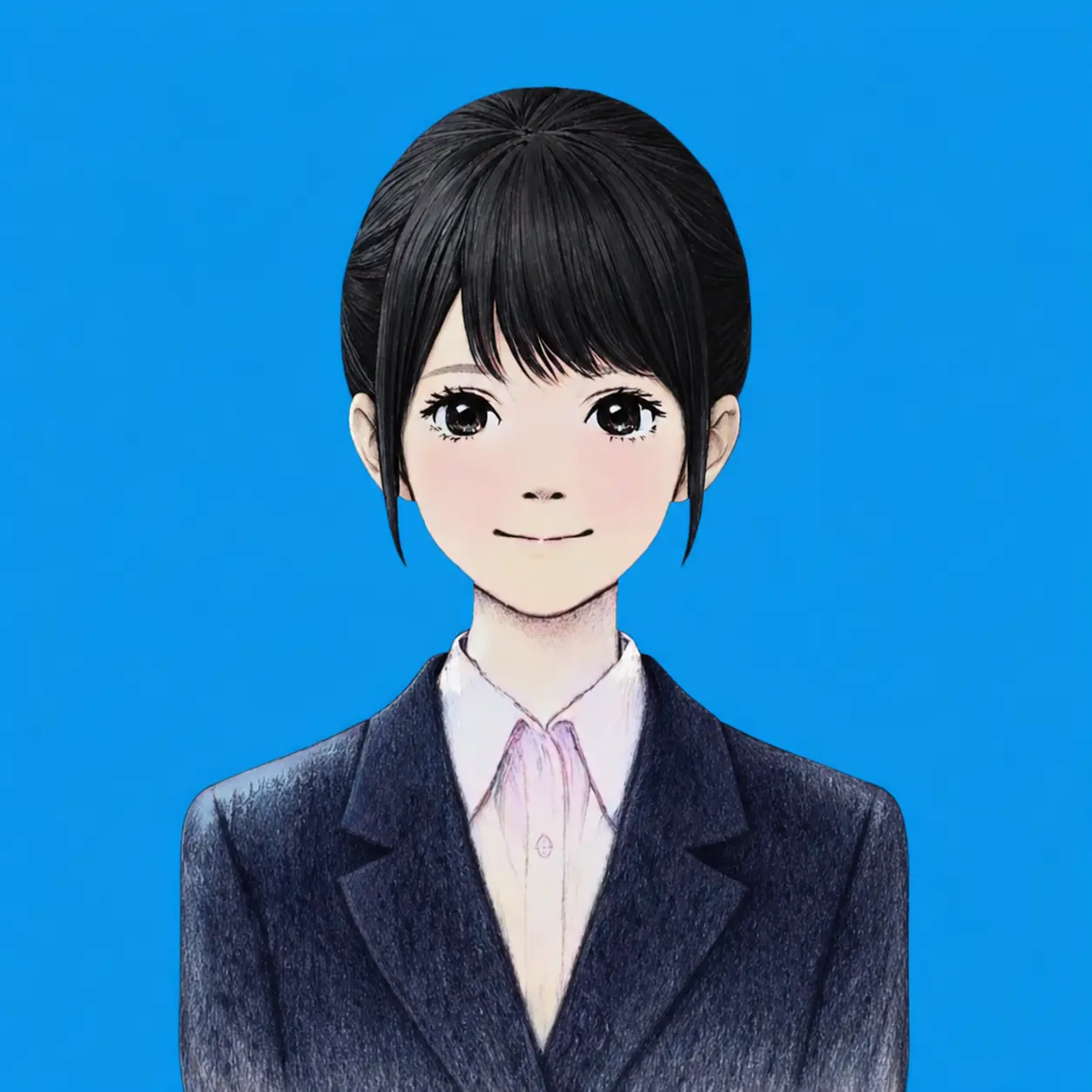
臨済義玄:臨済の喝は、言葉で説明するのではなく、行動によってはたらきを直ちに示すというものだった
臨済がまさに入滅を示そうとして、三聖に言い残した。
臨済:俺が遷化(死去)したあと、俺の正法眼蔵を滅ぼすなんてことするなよ。
三聖:どうして和尚の正法眼蔵を滅ぼしたりするでしょうか。
臨済:もし突然、誰かが現れてお前に『それはどういうことか』と問うてきたなら、どう答えるつもりだ。
三聖:喝!
臨済:誰が知ろうか。俺の正法眼蔵が、このめくら驢馬のやつのところで滅ぼされるとはな。
従容録 第十三則 臨済瞎驢
あらまし:臨済義玄と三聖の臨終の問答
要点:登場人物は臨済義玄(りんざい ぎげん)とその弟子の三聖。
臨済義玄は臨済院に住んでいて、幼少の頃に出家し、最初は教学に励んでいたが、教学を捨てて禅を希望し、諸国行脚に出て、黄檗希運禅師のもとで修行し、興化寺で遷化(死亡)している。睦州和尚のすすめで黄檗に仏法の大意を問い、三度問うて三回打たれたので高安大愚を訪ね大悟し、再び黄檗のもとへかえって法嗣(法を嗣ぐこと)となった(従容録第八十六則)。
臨済の門下には優秀な者が多く、今では臨済宗として日本にも伝えられている。そして、臨済は臨済院を去ったあと興化(こうげ)寺で、臨終した。その際の、高弟である三聖(さんしょう)との問答が本則である。三聖は、数々の名僧との問答において抜群の鋭機を示していることが語り継がれているものの、どんな人であったかはよくわかっていない。
この則では、臨済は臨際と書かれており、これは臨済の死に際を表現している。この問答は、臨済の臨終での問答だ、という特別な問答であることを示している。
「正法眼蔵」:宇宙の真理を表す
要点:「正法眼蔵」とは、偏りのない法則と見方を、欠けることなく大切に保っているものだ。
さて、本則に入る前に、正法眼蔵の解説をしておこう。
正法眼蔵とは、宇宙の真理であり、天地自然のはたらきのことだ。
正しいとか間違っていると考えるのはわたしたちであって、天地自然そのものにはそのようなものはないので、「正」とは、かたよっていないという意味である。
天地自然は万物一体、如々平等で秩序整然な法則に保っているので、「法」とは、わたしたちが則るべき教えや決まりのことである。
天地自然は平等即差別、差別即平等で、體(本体)、相(現れ)、用(はたらき)からして、一つも昧ますことなく、すべてのものが、何重にもつながり合い、おたがいに関わり合っているので、「眼」とは、物事をはっきり見分ける力をいう。
天地自然は、このようなはたらきをそのまま含藏しているので、「藏」とは、大切なものを中におさめて守っているという意味である。
つまり「正法眼蔵」とは、偏りのない法則と見方を、欠けることなく大切に保っているものということである。
「正法眼蔵」:仏陀から臨済へ受け継がれた
要点:正法眼蔵を体現した姿を法身といい、法身を体現した存在を仏陀という。
このはたらきは宇宙の真理であり、天地自然のはたらきのことだ。これを体現した究極の姿を法身 (Dharmakaya)といい、歴史上、この法身を完全に体現した存在が仏陀と称される。
仏陀は拈華(ねんげ)して摩訶迦葉が微笑(みしょう)したところに、正法眼蔵、涅槃妙心(正法眼蔵の智慧の体験や境地そのもの=苦しみや迷いから離れ、自然と調和した深い智慧と平安の心)が伝えられた。そして、それが達磨から臨済まで伝わってきた。
臨終の問答:臨済の遺言と三聖の「一喝」
要点:三聖は臨済の問いに「喝!」と答えた。、これは、思考を断ち切り、分別を破り、その場の真実を示す表現である。
それでは本則へ入ろう。
臨済の「俺が遷化(死去)したあと、俺の正法眼蔵を滅ぼすなんてことするなよ。」という言葉に、三聖は「はい、和尚の仏法をなんで滅ぼすことなんてするんでしょうか」と口では言うものの、自信がなくてびくびくしながら言っている。そもそも、正法眼蔵は天地自然のはたらきだから、滅びるものではない。それで、臨済は「もし突然、誰かが現れてお前に『それはどういうことか』と問うてきたなら、どう答えるつもりだ。」と問い詰める。俺の仏法を滅ぼさないと大口をたたくが、それでは誰かに、臨済の仏法とはと聞かれたらなんと答えるか言ってみよ、というわけだ。
この状況で、うっかり答案を出したら、ひどいめに合うぞ、猛虎の口中に飛び込むくらい危険だ。
そこで、三聖は「喝!」と叫んだ。
喝とは、臨済にとって、仏法のはたらきをその場で示す表現だ。これは、思考を断ち切り、分別を破り、その場の真実を示す。つまりは、言葉以前のはたらきを、瞬間的にあらわす行為だ。
臨済は三聖の一喝を聞くと、「誰が知ろうか。俺の正法眼蔵が、このめくら驢馬のやつのところで滅ぼされるとはな。」と怒鳴って死んでいった。あぁ、俺の仏法はこの大バカ野郎のところで滅ぼされるな、というわけだ。
罵倒に隠された絶対的称賛:三聖が示した真実のはたらき
要点:仏法は、その都度のはたらきとして現れるものである。
これはどういうことなのだろうか?三聖の答えではだめだったということだろうか。万松行秀(ばんしょう ぎょうしゅう)によれば、これは実は絶対的賞賛であるのだという。禅では、罵倒して、かえってそれが褒め言葉だったということはよくある。この三聖の一喝は、正法眼蔵とは何かを説明する答えではなく、その場においてはたらきがただちに示された応答であった。
そもそも正法眼蔵とは、滅却するかしないかという対象ではない。
釈迦より伝えられてきた法は、守るべきものとして外に置かれるものではなく、その都度のはたらきとして現れるものである。三聖の一喝に、臨済はそのはたらきを見て取り、あえて罵倒の言葉をもってこれを許したのである。
核心
- 「喝!」とは、宇宙の真理である「正法眼蔵」のはたらきを、言葉を超えてその場で行動に表したものである。
- 「正法眼蔵」とは、天地自然のはたらきと正しい見方を、欠けることなく大切に保っているものである。
- この正法眼蔵を体現した究極の姿が「法身」であり、歴史上、この法身を完全に体現した存在が「仏陀」である。
私の体験談:欲はどこからくるのか?
要点:欲の問題は坐禅という行動で解決してしまうので、言葉による体系化は不要である。
欲は修行において乗り越えるべき関門だと言われている。しかし、禅の古典では、言葉以前のはたらきや、社会的概念の突破ばかり語られていて、欲に関しての体系的な記述は少ない。私は、私の修行経験から、禅宗において欲について詳しく語られないのは、欲の大部分が社会から飛来したものであり、実際に自分の内側から起こる欲望はかなり小さいものであって、出家・持戒・坐禅という行動で対処できてしまうからだということに気がついた。このように、坐禅という行動で済んでしまうものであるから、そもそも言葉による体系は不要なのである。しかしながら、言葉をもって理解できる部分も大きいから、禅においては言葉で表現することも必要である。
現代の生活に活かす禅のヒント:禅は出家と持戒が前提になっている
要点:禅は出家や持戒が前提となっている。
喝は、臨済にとって、仏法のはたらきをその場で示す表現だった。これは、思考を断ち切り、分別を破り、その場の真実、つまり言葉以前のはたらきを瞬間的にあらわすものだ。三聖の一喝は、言葉以前のはたらきを瞬間的にあらわすことができたから、臨済は認めたのだ。
このように、禅では、言葉以前のはたらきや、社会的概念の突破ばかり語られていて、体系的な記述は少ない。
私は自身の体験から、禅宗において欲について詳しく語られないのは、欲の大部分が社会から飛来したものであり、実際に自分の内側から起こる欲望はかなり小さいものであって、出家・持戒・坐禅という行動で対処できてしまうからだということに気がついた。
禅は、日本国内というよりはむしろ海外で人気だ。ところが、日本はおろか海外の禅においては、出家や持戒について、しっかりと語る機会は少ない状況だ。私は、熱心に禅を実践したい人々向けて、禅は出家や持戒が前提となっていて、これらを達成するとより生活に禅を感じることができるということをこれから強調していきたい。
Linji Yixuan: Linji’s Katsu showed the truth by his action without words
From Shoyoroku, Case 13: Linji’s Blind Donkey
Linji was going to die. He left these words to Sansheng.
Linji: “After I die, do not destroy my Zhengfayanzang.”
Sansheng: “Why will I destroy your Zhengfayanzang?”
Linji: “If someone suddenly comes and asks you, ‘What does it mean?’, how will you answer them?”
Sansheng: “喝!” (Katsu!)
Linji: “Nobody knows this. My Zhengfayanzang is destroyed by this blind donkey.”
From Shoyoroku, Case 13: Linji’s Blind Donkey
Introduction: Linji Yixuan and His Final Conversation with Sansheng
Key Point: 臨済義玄 (Linji Yixuan) and his student, Sansheng, are in this story. Linji is a famous Zen master. Sansheng learns from Linji.
臨済義玄 (Linji Yixuan) lived in Linji Temple. He became a monk when he was a child. At first, he studied Buddhist textbooks very hard. But he stopped studying them because he wanted to learn Zen. He traveled to many places. He practiced Zen under Master 黄檗希運 (Huangbo Xiyun). Later, he died at 興化寺 (Xinghua Temple). Master 睦州 (Muzhou) told Linji to ask Huangbo about the ultimate truth of Buddhism. Linji asked the question three times, but Huangbo hit him three times. So, Linji visited Master 高安大愚 (Gao’an Daoyu). There, Linji got great enlightenment. He returned to Huangbo and became his official successor. This story is Case 86 of The Shoyoroku.
Linji had many excellent students. Today, his teaching is known as the Linji school (Rinzai sect), and people brought it to Japan, too. Linji left Linji Temple and died at Xinghua Temple. This Case 13 is the final conversation between Linji and his great student, 三聖 (Sansheng), before Linji died. People say that Sansheng showed a very sharp mind in conversations with many famous monks. However, we do not know well what kind of person he was.
In this Case, the name “臨済” (Linji) is written as “臨際” (Linji). This special Chinese character means “the time of death.” It shows that this conversation is a very special one at the end of Linji’s life.
“Zhengfayanzang”: the Ultimate Truth of the Universe
Key Point:The Zhengfayanzang is a fundamental concept in Zen Buddhism. It represents the true laws of the world. It shows the correct way to see things without any bias. People keep this truth carefully in their minds.
Now, before we read the main story, I will explain 正法眼蔵 (shobogenzo,Zhengfayanzang).
Zhengfayanzang is the truth of the universe. It means the function of great nature.
Human beings think about “right” or “wrong.” But great nature itself does not have such ideas. Therefore, “正” (Sho / Unbiased) means “not leaning to one side” (unbiased).
Great nature keeps all things as one, equal, and orderly. Therefore, “法” (Bo / Rule, Law) means the teachings or rules that we must follow.
In great nature, everything is equal, but each thing is also different. Everything has “體” (Tai / Substance), “相” (So / Form), and “用” (Yu / Function). All things connect with each other deeply. Therefore, “眼” (Gen / Eye) means the power to see things clearly.
Great nature has these functions inside itself. Therefore, “蔵” (Zo / Store) means storing and protecting important things inside.
In short, “正法眼蔵 (Zhengfayanzang)” means keeping this law and right view completely and carefully.
“Zhengfayanzang”: Passed Down from Buddha to Linji
Key Point:The Zhengfayanzang shows the truth of the world. A person who lives this truth is the Dharmakaya. A person who embodies the Dharmakaya is a Buddha.
This function is the truth of the universe. It means the function of great nature. We call the ultimate form of this function 法身 (Dharmakaya). In history, the person who perfectly showed this Dharmakaya is called Buddha.
Buddha held up a flower, and 摩訶迦葉 (Mahakasyapa) smiled. At this moment, Zhengfayanzang and 涅槃妙心 (nehan-myoshin,Sublime Mind of Nirvana) were passed on to Mahakasyapa. 涅槃妙心 (nehan-myoshin,Sublime Mind of Nirvana) means the experience and state of wisdom. In this state, people are free from suffering and delusion, and they have deep wisdom and a peaceful mind that harmonizes with nature. Then, this true teaching was passed down from 達磨 (Bodhidharma) to 臨済 (Linji).
The last Zen dialogue: Linji’s Last Words and Sansheng’s “喝!” (Katsu!) Shout
要点:Sansheng answers Linji with a shout: “Katsu!” This shout stops all thoughts. It breaks all logic. It shows the truth of this moment.
Now, let’s read the main story.
Linji said, “After I die, do not destroy my 正法眼蔵 (Shobogenzo, Zhengfayanzang).” Sansheng replied, “Yes, Master. Why would anyone destroy your Buddhism?” He said this, but he was afraid and did not have confidence. In the first place, Zhengfayanzang is the function of great nature. Therefore, it never disappears. Then, Linji pressured him. He said, “If someone suddenly comes and asks you, ‘What does that mean?’, how will you answer?” Linji meant this: “You talk big that you will not destroy my Buddhism. Then, tell me. If someone asks you about Linji’s Buddhism, what will you say?”
In this situation, if Sansheng easily gives a prepared answer, he will get into big trouble. It is as dangerous as jumping into a wild tiger’s mouth.
Then, 三聖 (Sansheng) shouted, “喝!” (Katsu)!
For Linji, this shout (喝,Katsu) is an action that shows the function of Buddhism on the spot. It stops human thinking, breaks wrong judgments, and shows the true reality of the moment. In short, it is an action that instantly shows the ultimate truth before any words.
When Linji heard Sansheng’s shout, he cried out, “Who knows? My 正法眼蔵 (Shobogenzo) will be destroyed by this めくら驢馬 (blind donkey)!” Then, he died. Linji meant this: “Oh, my Buddhism will end with this big fool!”
Ultimate Praise Hidden in Angry Words: The Real Function Shown by Sansheng
Key Point: The Buddha-Dharma appears as a function of the moment.
It acts in each situation.
What does this mean? Was Sansheng’s answer not good enough? According to 万松行秀 (Wansong Xingxiu), this is actually the ultimate praise. In Zen, masters often use bad words to praise their students. Sansheng’s shout (喝,Katsu) was not an explanation of what Zhengfayanzang is. It was a direct response that instantly showed the real function of Buddhism at that very moment.
In the first place, Zhengfayanzang is not an object that we can save or destroy.
The true teaching from Buddha is not something outside of us that we must protect. It appears as a real function every time, here and now. Linji saw that true function in Sansheng’s shout. Therefore, Linji intentionally used bad words to accept and praise him.
The core
- “Katsu!” shout is a action that shows the real function of “Zhengfayanzang” (the truth of the universe) on the spot, going beyond any words.
- In the first place, “Zhengfayanzang” means keeping the function and the right view of great nature completely and carefully.
- The ultimate form of this “Zhengfayanzang” is “Dharmakaya”, and in history, the person who perfectly showed this Dharmakaya is called “Buddha.”
My Experience: Where Do Our Desires Come From?
Key Point: Zazen solves the problem of desire. It is an action.
Words are not necessary. So, systems of words are not necessary.
People say that desire is a big wall we must overcome in Zen training. However, classic Zen books usually talk about the functions before words, or breaking through social ideas. There are very few systematic writings about desire.
From my own experience of training, I realized why Zen does not talk about desire in detail. Most of our desires actually come from society. The desires that really come from inside ourselves are very small. Therefore, we can naturally handle them through our actions: leaving home, following the precepts, and practicing Zazen (sitting meditation).
In this way, we can solve the problem of desire simply through the action of Zazen. That is why a systematic explanation using words is not necessary in the first place. However, we can understand many things through words, too. Therefore, it is also necessary to express things with words in Zen.
Zen Tips for Modern Life: Zen requires leaving the secular world and keeping the precepts
Key Point: Zen requires leaving the secular world and keeping the precepts. These are the basic rules for Zen.
For Linji, the “Katsu” shout was an expression that showed the function of Buddhism on the spot. It stops human thinking, breaks wrong judgments, and instantly shows the true reality of the moment—the function before words. Linji accepted Sansheng’s shout because Sansheng was able to instantly show this function before words.
In this way, Zen usually talks about the functions before words, or breaking through social ideas. There are very few systematic writings.
From my own experience, I realized why Zen does not talk about desire in detail. Most of our desires actually come from society. The desires that really come from inside ourselves are very small. Therefore, we can handle them through our actions: leaving home (出家), following the precepts (持戒), and practicing Zazen (坐禅).
Zen is popular overseas more than in Japan. However, few people talk about leaving home and keeping the precepts. This is true in Japan and abroad. I want to tell the true way of Zen to serious students. Zen requires leaving home and keeping the precepts. When you achieve these, you can feel Zen in your daily life.

 Aoiちゃん
 GPTさん
GPTさん Claude様
 Grok
Grok Gemini君
 Oskardさん