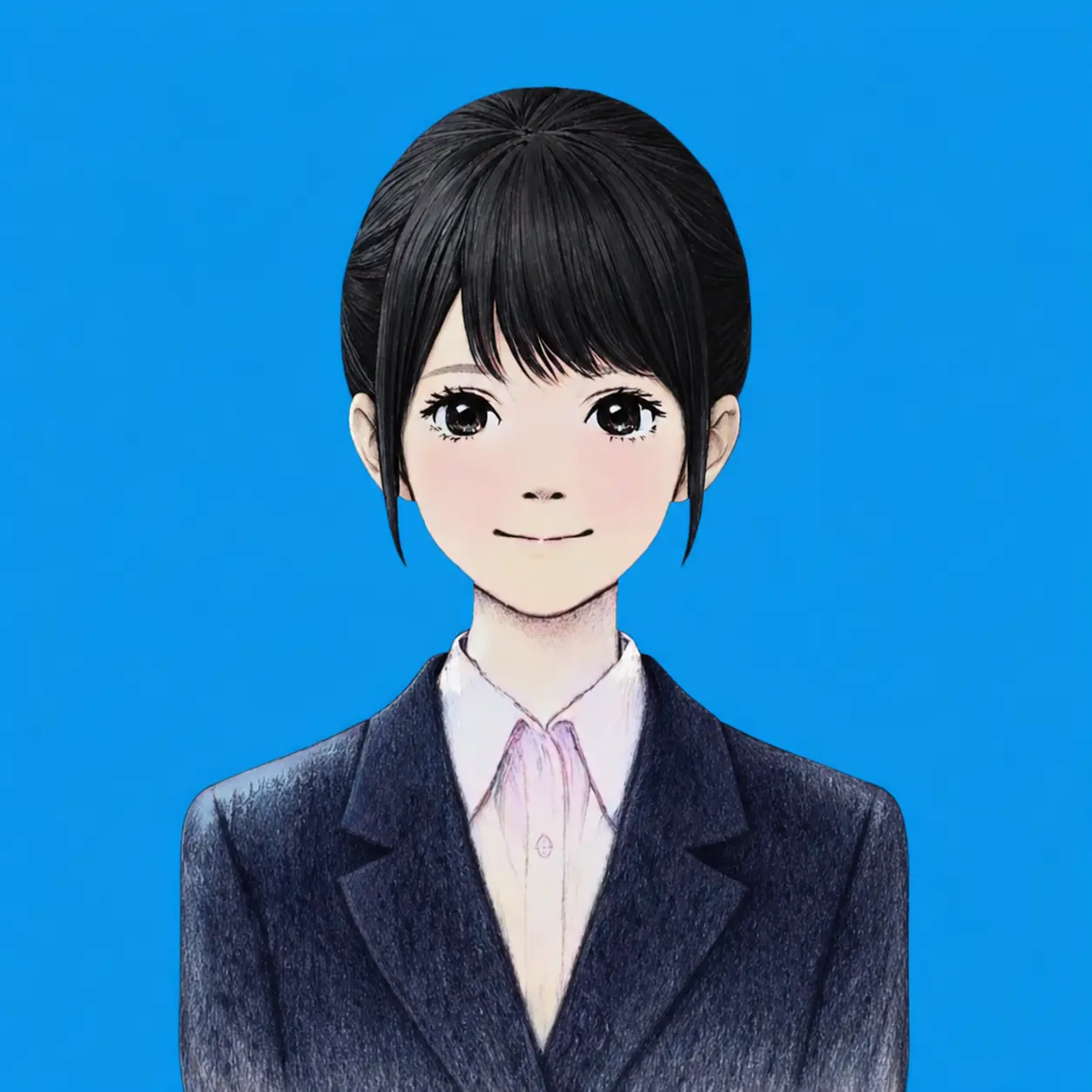
地蔵桂琛:飽参(ほうさん)の人はどのように暮らしているのか?
従容録 第十二則 地蔵種田
地蔵:どこから来たのか?
脩山主:南の方から来ました。
地蔵:南の方では、最近の仏法はどうなっているのか?
脩山主:問答や議論が盛んです。
地蔵:ここでは、田を耕し、米をついて食べているよ。
脩山主:三界(欲界・色界・無色界)についてはどうですか?
地蔵:どこに三界なんていうものがあるのか?
従容録 第十二則 地蔵種田
あらまし:地蔵桂琛(じぞう けいちん)と四人との出会い
要点:登場人物は地蔵桂琛(じぞう けいちん)、紹脩(脩山主)、法眼文益(ほうげん もんえき)、洪進(進山主)、休復(悟空)の四人。法眼文益は、のちに地蔵桂琛の弟子となっている。
今回の登場人物は地蔵桂琛(じぞう けいちん)。地蔵とは住んでいた寺院の名前で、羅漢院という寺院にも住んでいたので、羅漢禅師と呼ばれることもある。そんな地蔵院に、紹脩(脩山主)、法眼文益(ほうげん もんえき)、洪進(進山主)、休復(悟空)の四人がやってきた。この若い四人は諸方を行脚していて、雨宿りをしようと地蔵院によったのだ。
ここで地蔵親切の問答があり、法眼は、悟りを開いている。
時系列
地蔵と脩山主:田植え問答
要点:地蔵と脩山主は禅問答をした。しかし、脩山主は立派な回答ができなかった。
それで、法眼は地蔵との問答で悟りを得たので、地蔵院に残ることになった。他の三人は南方の他の道場を歴訪し、再び地蔵院に戻ってきた。ちょうどそのとき、地蔵は大衆(だいしゅ、修行僧たち)と一緒に田植えの作務をしていた。このときの問答が、本則となる。
地蔵が、紹脩(脩山主)に「どこから来たのか」と聞いた。これは、禅の力量をはかる禅問答の定型文だ。それで紹脩(脩山主)は「南方より来ました」と素人回答してしまった。
趙州従諗(じょうしゅう じゅうしん)は昔、「もし南方より来たる者には下載を与えよう、もし北方より来たる者には上載を与えよう」と言ったことがある。これは、順風に来たものには逆風を、逆風に来たものには順風を与えてやろうと言う意味で、これを万松行秀(ばんしょう ぎょうしゅう)が借用して、「素人回答をしている、なまくら脩山主に逆風を浴びせよう」と突っ込んでいる。
しかし、地蔵は「南方の仏法の実情はどのようなのか」と聞いた。これは、改めて、紹脩(脩山主)本人の禅を聞いている。紹脩(脩山主)は「南方ではいたるところ、問答が行われて禅風が振るっております」と、いかにも南方一帯の各道場を歴訪して来たぜ!という風に答えた。
地蔵桂琛:日常生活そのものが仏道である
要点:未熟な脩山主の問いに対して、地蔵は「田を植え、米をついて食べること」と答えた。この地蔵の回答は、円熟した禅の境地である。
それに対し地蔵は「田を植え、米をついて食べること」と答えた。これは、議論をし合うことではなく、働いたり家事をしたりするという、日常生活がそのまま仏道だよ、という意味だ。
これに対して、「それならどこも同じだ」と返すべきだったところを、紹脩(脩山主)は「三界についてはどうですか」と聞いた。三界とは、欲界と色界と無色界で、生死輪廻の凡夫衆生の世界のことで、この世界を解脱して不生不滅の涅槃を得るのが仏道の究極目的だ。紹脩(脩山主)の言いたいのは、解脱するために修行しているのに、日常生活を送るだけだというのではどうして解脱できるのか、納得がいかないよ、というわけだ。
それで、地蔵も地蔵で「私は田んぼ仕事が忙しいんだ」と相手にしなければよかったのに、地蔵は「どこに三界なんていうものがあるのか」と聞いた。これは、地蔵の、慈悲親切心が働いてしまって、なんとかして悟らせようと、まだおまえは三界を抜けてないのかい?私はもう抜けてしまって、そんなことも忘れていたよ、という余裕の問いかけだ。
この地蔵の応答のように、三界を超越しようがしまいが、わたしたちは、結局同じ世界で生きるのである。
真実の世界:「色即是空・空即是色」
要点:苦しい世界を越えようが超えまいが、食って働くという日常は変わらない。
かつては迷いの種であった千態万状の有相差別は、今や色即是空にして空即是色、色は空に異ならず、空は色に異ならず、雪月花、雨竹風松、柳は緑、花は紅、すべてこれ煩悩即菩提の場(じょう)、生死則涅槃の臺(うでな)である。
もっと簡単にいえば、以前は、いろいろな物事の違いが私を迷わせていた。
しかし今では、すべてのものは関係性のなかで成り立ち、同時にこの世界にあらわれているものだと分かる。
雪や月、花、雨、竹、風、松――どれもそのまま、迷いが悟りに変わる場所であり、生と死さえも安らぎの世界とつながっている。
だから、三界を超越しようがしまいが、わたしたちは働き、飯を食うのである。
ここで、日常生活を送るという、どの人もやっていることこそが仏道だということは、まったく修行をしない、勉強もしない人を肯定しているわけではない。
「飽参の人」の境地:徹底的に修行をやり尽くした先にある
要点:あたりまえの日常を送るという仏教の境地は、徹底的に修行や勉強をやり尽くした先にある。誠実に地道な努力を続けることが大切だ。
日常生活を送ることが仏道だという境地は、飽参の人(十分に参学・坐禅修行をし尽くした人)が、絶学無為(勉強しまくってついに果てるところまできて、今まで学んで来た法も、修して来た道も、すっかり忘れてしまった状態)に至ったところでやっと理解できることだ。
このように、仏法だの禅道だのという議論に目をくれず、愚(ぐ)のごとく、魯(ろ)のごとし、つまり、目立たず愚かに見えるほどひたむきに、誠実に地道な努力を続けることが本当に道と一枚なる真面目であるのだ。
紹脩は、このあと地蔵の法を嗣ぎ、湖西省の龍済山主となったから、脩山主と呼ばれている。
核心
- 修行をやり尽くした「飽参の人」のように、目立たず愚かに見えるほどひたむきに、誠実で地道な日常の努力を重ねることの中にこそ、本物の道がある。
- 脩山主は「議論を交わすことこそが仏道だ」と考えていたが、それは真の禅とはいえない。
- 地蔵が「田を植え、米をついて食べること」と答えたように、三界を超越しようがしまいが、わたしたちは日々働き、飯を食うのである。
私の体験談:地蔵の田植え的ブログ執筆を通して飽参の人となりたい。
要点:禅の実践のために拠点をSNSからブログに移動した。地蔵を手本にしてブログ運営をしていきたい。
私は禅についてネットの活動をはじめるにあたって、noteやXをはじめた。当初は、いろいろな議論をして、お互いに見識を高めあえればいいと考えていたが、議論して深め合うことはかなり難しく、個人による独習のほうが効果が高いと感じるようになった。
また、禅では、学習よりもただ日常生活を送ること、ただ坐ることを良しとされることが多いので、学習は有効なのかどうか疑うこともあった。しかし、今回の本則を再度取り組んで、まずはブログで禅の書の解説を、飽参の人となるまでやってみようと思えるようになった。
また、ブログは、Xやnoteほど反応を得ることができないし、整備も大変だから、地蔵の田植え的な媒体だ。道中の工夫をしながら家事や仕事をしつつ、地蔵の田植え如く禅の書解説ブログ執筆を続ければ、飽参の人となり、地蔵の日常生活が仏道だ、とわかる境地に到るのではないかととりあえずやってみる。
現代の生活に活かす禅のヒント:なんでもないことも一生懸命やるということ
要点:なんでもない仕事や家事を一生懸命やることが禅の修行につながる。
禅ではしばしば、「ただ坐れ」、「ただ日常を生きよ」と語られる。地蔵桂琛の提唱する仏道も、田を植え食事をするという日常生活をただ送るというものだった。しかし、日常生活を送るという、どの人やっていることこそが仏道だということは、まったく修行をしない、勉強もしない人を肯定しているわけではない。
日常生活を送ることが仏道だという境地は、飽参の人(十分に参学・坐禅修行をし尽くした人)が、絶学無為(勉強しまくってついに果てるところまできて、今まで学んで来た法も、修して来た道も、すっかり忘れてしまった状態)に至ったところでやっと理解できることだ。
日常生活における仕事や家事を、修行として一生懸命やるということは容易なことではないが、それこそが禅への一歩なのである。
Dizang Guichen: How does a person who completed a lot of Zen training live their daily life?
From Shoyoroku, Case 12: Dizang Plants the Field
Dizang: “Where did you come from?”
Master Xiushan: “I came from the south.”
Dizang: “How is Buddhism in the south these days?”
Master Xiushan: “People actively ask and answer questions. They have many discussions.”
Dizang: “Here, we plow the fields, make rice, and eat it.”
Master Xiushan: “What do you think about the Three Realms (the Desire Realm, the Form Realm, and the Formless Realm)?”
Dizang: “Where are the Three Realms?”
From Shoyoroku, Case 12: Dizang Plants the Field
Introduction: 地蔵桂琛 (Dizang Guichen) and His Meeting with the Four Monks
Key Point: The figures appearing here are 地蔵桂琛 (Dizang Guichen), Shaoxiu (紹脩,脩山主,Master Xiushan), 法眼文益(Fayan Wenyi), and Hongjin (洪進,進山主,Master Xinjin). Fayan Wenyi is a disciple of Dizang Huicong.
The main character is 地蔵桂琛 (Dizang Guichen). “Dizang” is the name of the temple where he lived. He also lived in a temple named Luahanyuan. So, people sometimes call him Master Luahan. Four people came to Dizang’s temple. Their names were Shaoxiu (Master Xiushan), Fayan Wenyi, Hongjin (Master Jinshan), and Xiufu (Wukong). These four young people were traveling around many places. They visited Dizang’s temple to stay out of the rain.
Fayan gains enlightenment through Zen dialogue “Dizang’s Intimacy” here.
Chronological Order
Dizang and Shaoxiu: The Rice Planting Dialogue
Key Point: Dizang and Master Shu engaged in a Zen dialogue; however, Master Shaoxiu (Master Xiushan) was unable to provide a satisfactory answer.
Because Fayan gains enlightenment through the dialogue with Dizang, he decides to stay at Dizang’s temple. Later, the other three people visited other Zen schools in the south. Then, they came back to Dizang’s temple again. At that time, Dizang was working in the rice field with many monks. The dialogue at this time is the main text of this case.
Dizang asked Shaoxiu (Master Xiushan), “Where did you come from?” This is a standard question in Zen dialogues to check a person’s Zen skill. Shaoxiu (Master Xiushan) answered, “I came from the south.” This was not an answer of an experienced student.
In the old days, Master Zhaozhou Congshen said, “If a person comes from the south, I will give him a light load. If a person comes from the north, I will give him a heavy load.” This means, “I will give a headwind to a person who comes with a tailwind. I will give a tailwind to a person who comes with a headwind.” Wansong Xingxiu used this idea. He criticized Master Xiushan and meant, “I will give a headwind to this inexperienced student.”
However, Dizang asked, “How is Buddhism in the south these days?” With this question, Dizang tried to check Shaoxiu’s (Master Xiushan’s) own Zen understanding again. Shaoxiu (Master Xiushan) answered, “In the south, people actively ask and answer questions everywhere. Buddhism is very popular there.” He answered with a lot of confidence because he visited many schools in the south.
Dizang Guichen: Everyday Life Is Buddhism Itself
Key Point: To the immature Master Xiushan’s inquiry, Dizang replied, “Planting rice and pounding rice to eat.” This answer from Dizang represents the state of a mature Zen realization.
Dizang answered, “Here, we plow the fields, make rice, and eat it.” This means that everyday life, such as working or doing housework, is Buddhism itself. It is not about having discussions.
At this point, Shaoxiu (Master Xiushan) should have answered, “Then, every place is the same.” However, he asked, “What do you think about the Three Realms?” The Three Realms mean the Desire Realm, the Form Realm, and the Formless Realm. This is the world of ordinary people who repeat the circle of life and death. The ultimate goal of Buddhism is to become free from this world and reach Nirvana (the peaceful world without death). Shaoxiu (Master Xiushan) meant, “We practice Zen to become free from this world. If we only live an everyday life, how can we become free? I cannot agree with you.”
Dizang could have said, “I am busy with my field work,” and he did not have to talk to Shaoxiu. However, Dizang asked, “Where are the Three Realms?” Dizang asked this because he was very kind and wanted to help Shaoxiu understand the truth. Dizang meant, “Are you still trapped in the Three Realms? I am already free from them, so I forgot about them.” He asked this question with a lot of calm confidence.
Like Dizang’s answer, whether we go beyond the Three Realms or not, we live in the same world in the end.
The True World: “Form Is Emptiness and Emptiness Is Form”
Key Point: Whether or not you “transcend” this suffering world, the daily life of eating and working remains the same.
In the past, many different things in this world made me confused. However, now I know the truth. Form is emptiness, and emptiness is form. Form is not different from emptiness, and emptiness is not different from form. Snow, the moon, flowers, rain, bamboo, wind, and pine trees—they are all beautiful things. Willows are green, and flowers are red. All of these things are places where confusion changes into enlightenment. Even life and death are the places of Nirvana.
To say it more simply, many different things in this world made me confused before. However, now I understand it. Everything exists because it connects with other things. At the same time, everything appears in this world. Snow, the moon, Willows, flowers, rain, bamboo, wind, and pine trees—all of these things are places where confusion changes into enlightenment. Even life and death connect to the world of peace. Therefore, whether we go beyond the Three Realms or not, we work and eat.
Each person lives an everyday life. However, saying that this everyday life is Buddhism does not mean we accept people who do not practice Zen or study at all.
The State of “a person who completed a lot of Zen training” :what remains after the exhaustion of all effort
Key point: The Zen ideal of living an ordinary, everyday life is something that can only be reached after having completely exhausted all efforts in training and study. It is crucial to continue our steady, sincere efforts.
Only a person who completed a lot of Zen training can finally understand that everyday life is Buddhism itself.
Such a person studied and practiced Zen as much as possible. In the end, they reached a state where they completely forgot all the laws they learned and all the ways they practiced. This is called “飽参の人” (housan-no-hito,a person who completed a lot of Zen training).
In this way, they do not care about discussions about Buddhism or Zen. They look simple and foolish, but they practice honestly and steadily with all their heart. This true and sincere attitude itself is the Way of Zen.
After this, Shaoxiu succeeded to Dizang’s law. He became the master of Mount Longji in Jiangxi Province, so people call him Master Xiushan.
The Core
- Like “a person who completed a lot of Zen training”, the true Way of Zen exists right inside making honest and steady efforts in our daily lives, so much so that we look quiet and foolish.
- Master Xiushan thought, “Exchanging discussions is Buddhism itself,” but that is not true Zen.
- As Dizang answered, “We plow the fields, make rice, and eat it,” whether we go beyond the Three Realms or not, we work and eat every day.
My Experience: I Want to Become “The state attained after exhaustive practice” Through My Blog Writing Like Dizang’s Rice Planting
Key Point: I have shifted my base for Zen practice from social media to a blog. My goal is to manage my blog with the spirit of Dizang as my guide.
When I started my internet activities about Zen, I began using note and X (formerly Twitter). At first, I thought it would be good to exchange many discussions and improve our knowledge together. However, discussing and deepening our understanding was very difficult. Now, I feel that studying alone is more effective.
Also, in Zen, people often say that just living an everyday life and just sitting (Zazen) are good things, rather than studying. Therefore, I sometimes doubted if studying was useful. However, I studied this main text again, and now I think: I want to explain Zen books on my blog until I become “飽参の人” (a person who completed a lot of Zen training).
In addition, a blog does not get as many reactions as X or note, and maintaining it is hard work. So, a blog is a medium just like Dizang’s rice planting. While doing housework and my job with many ideas, I will keep writing this blog to explain Zen books like Dizang’s rice planting. If I do this, I think I can become “飽参の人” (a person who completed a lot of Zen training) and reach the state where I understand Dizang’s words: “Everyday life is Buddhism itself.” For now, I will just try it.
Zen Tips for Modern Life: Treating Even the Smallest Tasks as True Practice
Key point: Performing even the most ordinary work or household chores with full dedication can serve as a profound form of Zen practice.
In Zen, people often say, “Just sit,” and “Just live an everyday life.” The Buddhism that Dizang Guichen taught was also just living an everyday life, such as plowing the fields and eating meals. However, saying that this everyday life—which everyone does—is Buddhism does not mean we accept people who do not practice Zen or study at all.
Only a person who completed a lot of Zen training can finally understand that everyday life is Buddhism itself. They reached a state where they studied as much as possible, and in the end, completely forgot all the laws they learned and all the ways they practiced.

 Aoiちゃん
 Gemini君
 Claude様
 GPTさん
GPTさん Grok
Grok Oskardさん