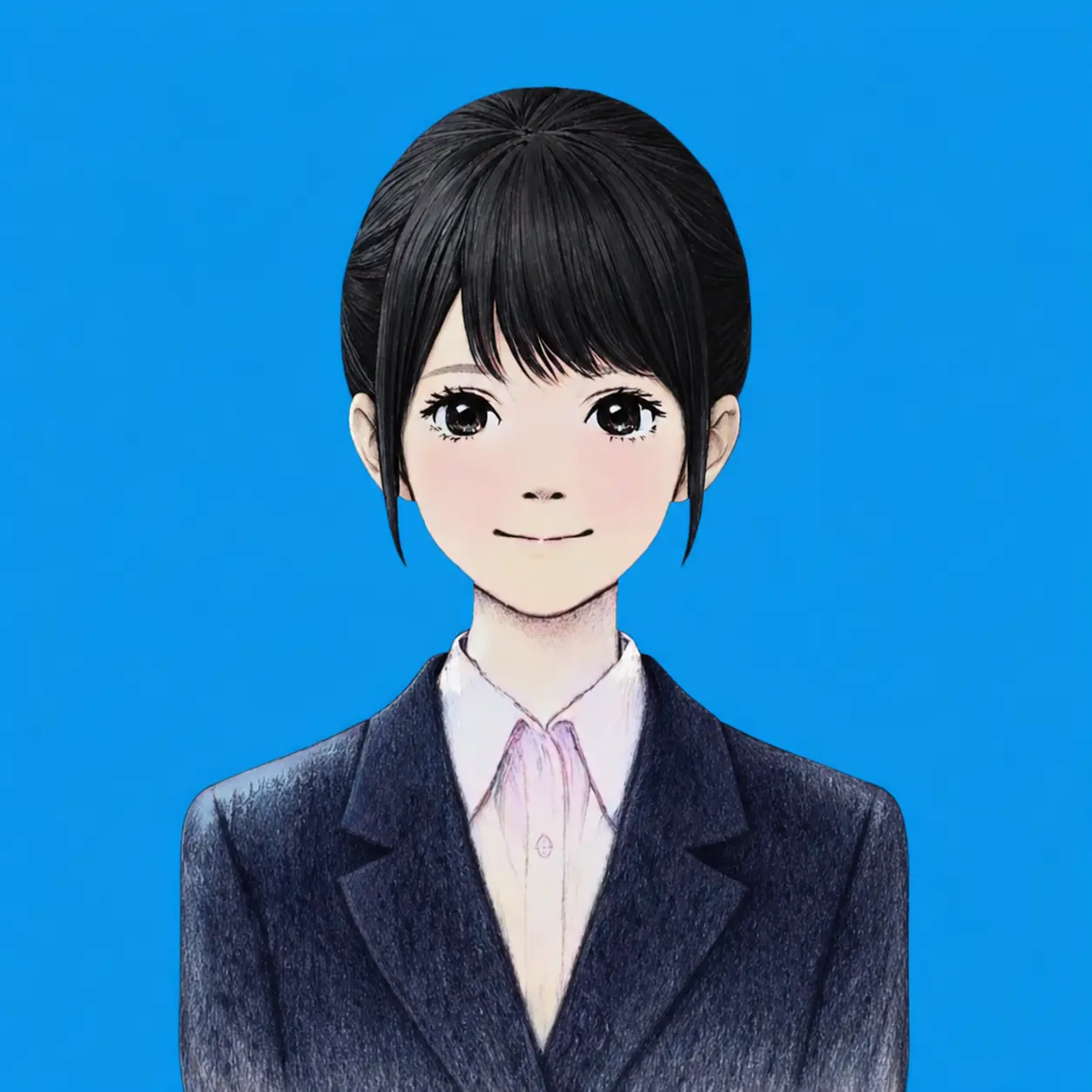
塩官斉安:今ここのはたらきを示せ
従容録 第二十五則 塩官犀扇
擧。鹽官一日喚侍者。與我過犀牛扇子來。[要且少他不得]
者云。扇子破也。[未擧時却完全]
官云。扇子既破還我犀牛兒來。不見道破也 何不領話]
者無對。[扇子猶在 雖有如無]
資福畫一圓相。於中書一牛字。[出巧新行 能做會賣]
従容録 第二十五則 塩官犀扇 白文
舉(こ)す。鹽官(えんかん)一日(いちじつ)侍者(じしゃ)を喚(よ)んで、我(わ)が與(た)めに犀牛(さいぎゅう)の扇子(せんす)を過(か)し來(きた)れといふ。[要(よう)且(か)つ他(た)を少(か)くことを得(え)ず] 者(しゃ)云(い)わく、扇子(せんす)破(やぶ)れぬ。[未(いま)だ舉(こ)せざる時(とき)却(かえ)って完全(かんぜん)] 官(かん)云(い)わく、扇子(せんす)既(すで)に破(やぶ)れなば我(わ)れに犀牛兒(さいぎゅうじ)を還(かえ)し來(きた)れ。[破(やぶ)れぬと道(い)うことを見(み)ずや、何(なん)ぞ話(わ)を領(りょう)せざる] 者(しゃ)無對(むたい)。[扇子(せんす)猶(な)お在(あ)り。有(あ)りと雖(いえど)も無(な)きが如(ご)し] 資福(しふく)は一(いち)圓相(えんきょう)を畫(かく)し、中(なか)に於(お)いて一(いち)の牛(ぎゅう)の字(じ)を書(しょ)す。[巧(こう)を出(いだ)し行(ぎょう)を新(あら)たにす。能(よ)く做(な)して賣(う)ることを會(す)]
従容録 第二十五則 塩官犀扇 書き下し文
舉す。塩官がある日、侍者を呼んで言った。
塩官:わしに犀牛の扇子を持ってこい。[そうはいっても、どうしてもあれを欠かすわけにはいかないのだ]
侍者:扇子は破れております。[前は、かえって完全であったのに]
塩官:扇子がすでに破れているのなら、わしに犀牛を返しなさい。[破れたと言っているのが見えないのか。なぜその言葉を受け取らないのか]
侍者は答えることができなかった。[扇子は相変わらずここにあるが、有るといっても無きに等しい]
資福が一つの円相を描き、その中に牛という文字を書いた。[巧みな工夫を凝らして新しい趣向を示し、作るのも上手ければ売りさばくのも心得ている]
従容録 第二十五則 塩官犀扇 現代語訳
用語集:本記事で使われる仏教・禅の用語とは?
- 塩官犀扇/鹽官犀扇(えんかん さいせん):塩官斉安が侍者に犀牛の扇を持ってくるよう依頼する公案。
- 犀牛(さいぎゅう):犀とは中国より南にいる動物で、角が一つ有り牛に似ている。角が鋭いことから、物事を見抜くことや悟りの象徴。
- 本来の面目(ほんらいのめんもく):父母未生以前の本来の面目。言葉や理屈が生まれる前の本来の自己。
- 円相(えんそう):禅僧が描く一円相のことで、欠けることも余ることもない円の形によって、宇宙の真理や完全な悟りの境地、真実の自己を象徴的に表現したもの。
- 潙仰宗(いぎょうしゅう):潙山霊祐と弟子の仰山慧寂によって成立した禅の五家七宗の一つで、言葉に頼らず暗黙のうちに師弟が心を相通わせる機微を特徴とする。
- 『碧巌録』(へきがんろく):雲門宗の雪竇重顕が撰述した百則の公案を基礎とし、示衆・著語・評唱を備えた公案集で、『従容録』の構成の手本となった。
- 『従容録』(しょうようろく): 曹洞宗の宏智正覚が編纂した百則の公案集に、万松行秀が示衆・著語・評唱を加えた公案集。
塩官犀扇の登場人物とは?:塩官斉安と資福如宝
要点:登場人物は塩官斉安、資福如宝、塩官斉安の侍者である。
今回の則では、塩官斉安(えんかん さいあん)が犀牛の扇を持って来いと侍者に頼んで問答が始まる。それに対し、侍者が答えられず、後の時代になって資福如宝(しふく にょほう)が応答する。
塩官斉安とは?:歴史に足跡を残す神秘的禅師
- 出身と俗姓: 海門郡出身、俗姓は李氏。
- 出家と修行: 地元の雲琮禅師のもとで出家して具足戒を受けた。その後、大寂禅師(馬祖道一)が龔公山で教化を行っているのを聞き、そのもとへ赴いた。
- 悟りの経緯: 馬祖道一は、塩官の顔を見るや、その非凡な器量を見抜いて、密かに正法を示した。
- 活動拠点: 杭州 塩官 鎮国海昌院。
- 遷化(死去): 病にかかることもなく、静かに座して示寂した。
- 諡号: 悟空禅師 (景徳傳燈録 卷第七(No. 2076 道原纂) in Vol. 51)。
塩官斉安は謎が多くミステリアスな禅僧だが、仰山慧寂が修行僧時代に会っていたり、塩官斉安の弟子が馬祖道一の弟子の大梅法常が山中に隠棲しているのを見つけたりと、歴史に足跡を残している (景徳傳燈録 卷第七、八(No. 2076 道原纂) in Vol. 51)。
資福如宝とは?:円相で応じるビジュアル系禅師
資福如宝もまた謎の多い禅僧だが、潙仰宗(いぎょうしゅう)の特徴である「円相(図形や文字を円の中に描く表現)」を用いた鋭い表現や代語(代わりに答えること)で知られる(景徳傳燈録 卷第七、八(No. 2076 道原纂) in Vol. 51)。
法系図
- 六祖慧能ー南嶽懷讓ー馬祖道一ー塩官斉安
- 潙山靈祐ー仰山慧寂ー西塔光穆ー資福如宝
時系列
- 塩官斉安の犀牛の扇子の公案:800年〜840年頃
- 資福如宝の円相呈示:880年〜920年頃
- 万松行秀のコメント:1223年頃
塩官犀扇の公案とは?:塩官が犀牛の扇子を持ってこいと依頼する公案
要点:塩官は「形(扇子)が壊れた」という言葉にとらわれず、その奥にある本質(犀牛=本来の面目)を差し出せと迫ったが、侍者は言葉のやり取りに終始し答えに窮した。
それでは本則に入ろう。塩官斉安が、ある日、侍者(身の回りの世話をする役)の僧を呼んで「わしに犀牛の扇子を持ってこい。」と言った。犀とは、中国より南にいる動物で、角が一つあって形が牛に似ているところから犀牛(さいぎゅう)と呼ばれる。犀の角は鋭利だから犀利という熟語がある。また、中国の 東晋の温嶠(おんきょう)という人が、犀の角を燃やして深淵を照らし、水中の怪物の姿を見たという故事から、物を明らかに見抜くという意味で燃犀という熟語もある。扇子は、うちわだという説と、よくある扇子と同じだという説がある。また、犀牛の扇子とは、犀の角を骨に使った扇子か、もしくは犀が月をじっと眺めているうちに、その角に自然と月のような美しい模様が生じたという諺から、扇子の面に月と犀の絵が描いてあったものだという。こんないろいろな説はどうでもよくて、とにかくただ塩官が普段使用していた、犀牛の扇子だと呼ぶものだと見ればいい。暑い日に、塩官が侍者に扇子をもってきてくれと頼んだのだろう。
侍者は「扇子は破れております。」と、ありのままの事を伝えた。すると塩官は「扇子がすでに破れているのなら、わしに犀牛を返しなさい。」と言った。扇子が破れてしまったのなら仕方がない。扇子はいらないから、犀牛だけを持って来い、というわけだ。侍者は、さぁわからない。それで何とも答えられなくなってしまった。問答はただこれだけのことだが、これが一側の公案となっているから妙だ。果たして犀牛は、どこにあるというのか?
塩官斉安の真意とは?:犀牛は本来の面目の象徴で、扇子は壊れるものの象徴だ
要点:犀牛は本来の面目の象徴で、扇子は壊れるものの象徴だ。本来の面目を言葉や理屈で捉えようとした瞬間、あれこれ迷うことになる。本来の面目は、有るかつ無い。
万松行秀は、[そうはいっても、どうしてもあれを欠かすわけにはいかないのだ]とコメントした。あれとは犀牛扇子のことで、これがなくてはどうにならないとう意味。これはただの扇子ではなくて、塵劫以前の事、三千世界の涯まで貫き、面も眼前脚下に在る底の那一物、これなくては天地宇宙も我も存在意義がない。まったく欠くべからざる至宝の一物だということだ。これをかなり簡単に言うと、言葉が発生する前の本来の面目のことだ。
それを侍者は破れてしまったという。[前は、かえって完全であったのに]、これは、扇子といえば直ぐに扇子という言葉に取り付き、渡すとか取るのとか彼此相対に落ち、おまけにこの扇子は破れたなどと再現もなく枝葉分別に走る。言葉や理屈で捉えようとした瞬間、最初から完璧だった真実(本来の面目)は損なわれ、あれこれ迷うハメになる。何も余計な口を出さなければ最初から完全だったのに、実に惜しいことをしたものだ、という意味だ。
さらに万松は、[破れたと言っているのが見えないのか。なぜその言葉を受け取らないのか]という。侍者が扇子は破れたというのに、塩官はそれなら犀牛を返せと無理なことを言う、はっきりと破れてしまったと言っているのが聞こえないのか?というわけだが、我々は、このわけのわかないところをわからなければならない。
万松は[扇子は相変わらずここにあるが、有るといっても無いに等しい]という。天地いっぱいに充満している這箇の一物(しゃこのいちもつ、この一つのもの)が、なんで破壊喪失なんてことがあるのか?空劫以前より尽未来際、現在目前却下にちゃんとあるではないか?しかし、太陽も亡者にはみえないように、現前に扇子があるとも、この侍者にはないに等しいものだ、いや、この侍者ばかりではなく、みなそうなのではないかなぁ?というふうに表面上は侍者の無気力を嘲笑し、醒めさせようとしている。
つまりは、犀牛は本来の面目(=悟り)の象徴で、扇子は壊れるものの象徴だ。
資福如宝の円相とは?:いま、ここにある自分自身のはたらき
要点:資福如宝は円相で答えた。この円相とは、いまここのはたらきのことである。
塩官よりずっとあとの五代の頃の僧侶の資福如宝(潙仰宗の法系)が、この話を取り上げて、沈黙に終わった侍者に代わり、塩官に答える態度で提唱したことがある。それは言葉を使わず、動作をもって、一つの円を描き、その中に牛の一字を書いた。潙仰宗の特色として、この円相をよく用いる。円の中に牛一つ、円は一つの宇宙、その中にいっぱいにはびこる牛、はい、これが塩官の求める犀牛だよ、ということだ。
万松はこれを[巧みな工夫を凝らして新しい趣向を示し、作るのもうまければ売りさばくのも心得ている]とコメントした。なかなか上出来、これでは売れ行きが良いなぁ、塩官もさぞご満足だろうなぁとほめそやした口調だ。
侍者は「扇子が破れた」という目に見える形や言葉に執着したため、塩官から「形がないなら本物を返せ」と迫られたときに頭が真っ白になり、詰まってしまった。侍者が取るべきだった態度は、理屈や概念で「破れた/破れていない」と議論することではなく、「いま、ここにある自分自身の働き」を躊躇なく堂々と示すことだった。
碧巌録でのコメントとは?:本来の面目をいかに直ちに呈示できるか?
要点:碧巌録では、資福のみならず、投子、石霜、保福などがいかに本来の面目を直ちに提示できるか努めている。
この公案は『碧巌録』でも取り上げられ、そこでは、資福だけでなく、投子、石霜、保福などが自己の見解を露呈し、これらの禅師の言葉にいちいち雪竇重顕が著語(じゃくご、コメント)しているので、なかなか賑やかだ。『従容録』ではこれに万松がコメントしている。以下にそのやりとりだけ紹介しよう。
- 投子大同:犀牛を持ってきてやってもいいが、もう角が折れていて完全な犀牛ではありません。
- 万松行秀:角が折れたならなおしてやれば良い。
- 雪竇重顕:いや、その角の折れたままの犀牛こそ望みだ。
- 万松行秀:我が家の旧物。
我が家の旧物とは、王羲之の家に泥棒が入ってあらゆる物をとっていったが、王羲之が「その青毛氈(あおもうせん)は我が家の旧物(きゅうぶつ、古くから伝わるもの)だから置いていけ」と言うと泥棒があらゆる物を放り出して逃げていったという話に基づいている。ようは、角の折れた犀牛でも本来の面目だから、何者にも代えがたいぞという意味だ。
- 石霜慶諸:犀牛を和尚に還したら侍者のがなくなるぞ。
- 万松行秀:正面から断ったな。
- 雪竇重顕:石霜は無いというが、犀牛は元来有無の沙汰のものではない、ちゃんとある。
- 万松行秀:雪竇はさすがにお目が高いね。
- 資福如宝:前述の通り。
- 保福従展:俺が侍者なら、和尚さんご老年で少しボケているからそんなわからずやを言われては私には勤まりませんから、誰か他の人を侍者にしてはと言って断る。
- 万松行秀:恩を忘れて恩を仇で返すようだな。
- 雪竇重顕:他の人に変えてもだめだ。塩官の要求する犀牛は何人も持ち出せない。
- 万松行秀:親切がアダだ。
従容録 第二十五則 塩官犀扇の核心とは?:本来の面目とは今ここのはたらき
- 資福如宝は円相で今ここのはたらきを答えた。
- 侍者は目に見える形や言葉に執着したため答えられなかった。
- 犀牛は本来の面目の象徴で、扇子は壊れるものの象徴だ。
私の体験談:破れた扇子とは私の歯のことだ
要点:歯は削れてしまっても歯のはたらきはなくならない。身体が欠けてしまっても、自分のはたらきまでは欠けない。
私は虫歯になり歯を削ることになってしまった。歯科で歯を削ることを治療といい、私はてっきり歯は歯医者で治すものだと思っていた。ところが二年前、歯自身に治癒力があり、初期の虫歯ならば自分の管理次第で治すことができると知った。歯科では、削ったところに金属やプラスチックを詰めているだけだから、それは治療とは言えないとわかったとき、私は本当に後悔した。
すると塩官はすかさず迫る。「歯が壊れたというなら、そのもとである歯のはたらきを出してみなさい」。私は侍者と同じように 「歯は壊れてしまいました」と、目に見える形の損傷にとらわれ、悲しみに暮れて固まっている。 万松は、この様子に「有るといっても無いに等しい」という。目の前にはたらきがそのまま輝いているのに、壊れた歯(形)ばかりを見て、自分の本質(はたらき)を見失っているからだ。塩官和尚が「犀牛を返せ」と迫った真意はここにある。 「歯という形あるものは、時の経過とともに欠けることもあろう。だが、歯が欠けたことを悲しみ、後悔し、いま懸命に生き、悩んでいる自分自身の『はたらき』まで欠けてしまったのか?」。
私はとにかく歯のはたらきのアシストに努めて、本来の面目をくらまさない(後悔し続けて立ちすくみ、何もできなくならない)ようにしている。
禅の教えを現代生活に活かすには?:後悔をするなといっても難しい
要点:後悔を辞めて今できることをやれというが難しい。私は後悔は放っておいて坐禅をするようにしている。
私は歯を削り、「なぜあんなことをしてしまったのか」、「もっとこうしていれば」と後悔ばかりが頭を巡る状態になってしまった。この状態は、塩官に「扇子を持ってきなさい」と言われて「扇子は壊れてしまいました」と答えて固まってしまった侍者の姿そのものだ。 目に見える「形の損壊(失われた機会や犯した過ち)」ばかりを見つめ、ショックで思考も行動もストップしてしまう。それで、一般的な禅のアドバイスでは「後悔を辞めて今できることをやりなさい」という説教になるのだが、正直、そんなに簡単にいくものではない。禅では、死にたい人には「おまえが死んでも地球はまわる」とか、まぁ正論なんだけどもそういう正論をぶつけて、「言ってやったぞ!」みたいなところがある。
私は今回、歯が削れてみて、自分の歯でもこれだけ後悔するのだから、自分の子の歯だったり、もしくは自分の子を亡くしてしまったら、どれだけ後悔するのだろうかと思った。それで、私なりの対処法としては、坐禅の時間を長くとるようにしている。坐禅は現在の全体把握、つまり過去現在未来を裁断するような言葉による把握ではない方法で世界を把握すると考えている。だから、坐禅をすることで、過去未来を考えなくなってくる=後悔しなくなってくると思うし、実際に効果を感じている。
Yanguan Qian: Show the function right here and right now
From Shoyoroku, Case 25: Yanguan’s Rhinoceros Fan
擧。鹽官一日喚侍者。與我過犀牛扇子來。[要且少他不得]
者云。扇子破也。[未擧時却完全]
官云。扇子既破還我犀牛兒來。不見道破也 何不領話]
者無對。[扇子猶在 雖有如無]
資福畫一圓相。於中書一牛字。[出巧新行 能做會賣]
From Shoyoroku, Case 25: Yanguan’s Rhinoceros Fan Classical Chinese Original Text
舉(こ)す。鹽官(えんかん)一日(いちじつ)侍者(じしゃ)を喚(よ)んで、我(わ)が與(た)めに犀牛(さいぎゅう)の扇子(せんす)を過(か)し來(きた)れといふ。[要(よう)且(か)つ他(た)を少(か)くことを得(え)ず] 者(しゃ)云(い)わく、扇子(せんす)破(やぶ)れぬ。[未(いま)だ舉(こ)せざる時(とき)却(かえ)って完全(かんぜん)] 官(かん)云(い)わく、扇子(せんす)既(すで)に破(やぶ)れなば我(わ)れに犀牛兒(さいぎゅうじ)を還(かえ)し來(きた)れ。[破(やぶ)れぬと道(い)うことを見(み)ずや、何(なん)ぞ話(わ)を領(りょう)せざる] 者(しゃ)無對(むたい)。[扇子(せんす)猶(な)お在(あ)り。有(あ)りと雖(いえど)も無(な)きが如(ご)し] 資福(しふく)は一(いち)圓相(えんきょう)を畫(かく)し、中(なか)に於(お)いて一(いち)の牛(ぎゅう)の字(じ)を書(しょ)す。[巧(こう)を出(いだ)し行(ぎょう)を新(あら)たにす。能(よ)く做(な)して賣(う)ることを會(す)]
From Shoyoroku, Case 25: Yanguan’s Rhinoceros Fan Kanbun reading method of Classical
Case: One day, Yanguan called his attendant and said:
Yanguan: Bring me the rhinoceros-horn fan. [Even so, he cannot do without it]
Attendant: The fan is broken. [Before, it was rather complete]
Yanguan: If the fan is already broken, return the rhinoceros to me. [Do you not see that he says it is broken? Why do you not accept his words?]
The attendant could not answer. [The fan is still here as before, but even if it exists, it is equal to nothing]
Zifu drew an enso and wrote the character “ox” inside it. [He shows a new idea with skillful techniques; he is good at making it and also knows how to sell it]
From Shoyoroku, Case 25: Yanguan’s Rhinoceros Fan Modern Meaning
Glossary: What are the Buddhist and Zen terms used in this article?
- Yanguan’s Rhinoceros Fan (塩官犀扇/鹽官犀扇): A koan in which Yanguan Qian asks his attendant to bring him a rhinoceros-horn fan.
- Rhinoceros (犀牛): A rhinoceros is an animal that lives south of China. It has one horn and looks like an ox. Because its horn is sharp, it is a symbol of seeing through things and attaining enlightenment.
- Original Face (本来の面目): A core Zen concept referring to a person’s true, original self. It represents our pure self as it is, untouched by external factors such as social roles, the opinions of others, or language.
- Enso (円相): A circle drawn by Zen monks. Through the shape of a circle that lacks nothing and has nothing extra, it symbolically expresses the truth of the universe, the state of complete enlightenment, and the true self.
- The Guiyang School (潙仰宗): One of the Five Houses and Seven Schools of Zen, established by Guishan Lingyou (潙山霊祐) and his disciple Yangshan Huiji (仰山慧寂). It is characterized by the subtle interaction in which master and disciple communicate mind to mind tacitly without relying on words.
- Hekiganroku (『碧巌録』, The Blue Cliff Record): A collection of koans based on one hundred koans compiled by Xuedou Chongxian (雪竇重顕) of the Yunmen school, containing prefaces, capping phrases, and commentaries. It served as a model for the structure of Shoyoroku (従容録).
- Shoyoroku (『従容録』, the Book of Equanimity) :A collection of koans in which Wansong Xingxiu (万松行秀) added prefaces, capping phrases, and commentaries to one hundred koans compiled by Hongzhi Zhengjue (宏智正覚) of the Caodong school.
What are the characters in Yanguan’s Rhinoceros Fan: Yanguan Qian and Zifu Ruhobao
Key Point: The characters are Yanguan Qian, Zifu Ruhobao, and the attendant of Yanguan Qian.
In this case, the dialogue begins when Yanguan Qian (塩官斉安) asks his attendant to bring a rhinoceros-horn fan. The attendant cannot answer. In a later era, Zifu Ruhobao (資福如宝) gives an answer.
Who was Yanguan Qian?: A mysterious Zen master who left his mark on history
- Birthplace and Original Family Name: Born in Haimen County; his original family name was Li.
- Training History: He became a monk and received the full precepts under Master Yuncong in his hometown. Later, he heard that Master Mazu Daoyi (馬祖道一) was teaching on Gonggong Mountain, and he went to study under him.
- Process of Enlightenment: When Mazu Daoyi saw the face of Yanguan, he recognized his extraordinary talent and secretly showed him the True Dharma.
- Base of Activity: Zhenguo Haichang Temple in Yanguan, Hangzhou
- Death: Without getting sick, he sat quietly and passed away.
- Posthumous Title: 悟空禅師 (Zen Master of Enlightened Emptiness) (景徳傳燈録 卷第七(No. 2076 道原纂) in Vol. 51).
Yanguan Qian is a mysterious Zen monk with many secrets, but he left his mark on history. For example, Yangshan Huiji (仰山慧寂) met him when Yangshan was a training monk. In addition, a disciple of Yanguan Qian found Damei Fachang (大梅法常), a disciple of Mazu Daoyi, living quietly in the mountains(景徳傳燈録 卷第七、八(No. 2076 道原纂) in Vol. 51).
Who was Zifu Ruhobao?: A visual-style Zen master who answers with Enso
- Process of Enlightenment: He trained under Master Yangshan Xitang Guangmu (仰山西塔光穆) in Yuanzhou and inherited his Dharma.
- Base of Activity: Zifu (Zifu Temple) in Jizhou(景徳傳燈録 卷第十二、十三(No. 2076 道原纂) in Vol. 51).
Zifu Ruhobao is also a mysterious Zen monk with many secrets. However, he is known for his sharp expressions using “Enso” (円相, drawing shapes or characters inside a circle), which is a feature of the Guiyang school, and substitute answers (景徳傳燈録 卷第七、八(No. 2076 道原纂) in Vol. 51).
Dharma Lineage
- 六祖慧能ー南嶽懷讓ー馬祖道一ー塩官斉安
- 潙山靈祐ー仰山慧寂ー西塔光穆ー資福如宝
Chronological Order
- The Koan of Yanguan Qian’s Rhinoceros Fan: Around 800–840
- Zifu Ruhobao’s Presentation of Enso: Around 880–920
- Wansong Xingxiu’s Comments: Around 1223
What was the Koan of Yanguan’s Rhinoceros Fan?: A koan in which Yanguan asks his attendant to bring him a rhinoceros-horn fan.
Key Point: Yanguan pressed him to show the true essence behind it (the rhinoceros = the Original Face) without being trapped by the words “the form (fan) is broken.” However, the attendant only exchanged words and could not answer.
Now let us enter the main case. One day, Yanguan Qian called his attendant monk (a monk who takes care of his daily needs) and said, “Bring me the rhinoceros-horn fan.” A rhinoceros is an animal that lives south of China. It has one horn, and its shape looks like an ox, so it is called rhinoceros-ox (犀牛). Because the horn of a rhinoceros is sharp, and there is a story about a person named Wen Qiao in the Eastern Jin Dynasty of China. He burned a rhinoceros horn to light up a deep abyss and saw monsters in the water. From this story, there is an idiom which means seeing through things clearly. There is a theory that the fan was a round fan, and another theory that it was the same as an ordinary folding fan. Also, it is said that “a rhinoceros-horn fan” was a fan that used rhinoceros horn for its frame, or a fan with a picture of the moon and a rhinoceros on it, based on a proverb that a beautiful moon-like pattern naturally appeared on its horn while a rhinoceros stared at the moon. These various theories do not matter. We can simply view it as the thing that Yanguan usually used and called “the rhinoceros-horn fan.” On a hot day, Yanguan probably asked his attendant to bring him the fan.
The attendant told the truth as it was: “The fan is broken.” Then Yanguan said, “If the fan is already broken, return the rhinoceros to me.” If the fan is broken, it cannot be helped. He meant that he did not need the fan, so the attendant should bring only the rhinoceros. The attendant did not understand. Therefore, he could not answer anything. The dialogue is only this simple thing, but it is strange because it becomes a famous koan. Where on earth is the rhinoceros?
What was the True Intention of Yanguan Qian?: The rhinoceros is a symbol of the Original Face, and the fan is a symbol of things that break.
Key Point: The rhinoceros is a symbol of the Original Face, and the fan is a symbol of things that break. The moment you try to capture the Original Face with words or logic, you will get confused in various ways. The Original Face both exists and does not exist.
Wansong Xingxiu commented, [Even so, he cannot do without it.] “It” refers to the rhinoceros-horn fan, and it means that one cannot manage without this. This is not just an ordinary fan. It is that one thing from before endless time, which pierces to the ends of the universe, and exists right before our eyes and under our feet. Without this, heaven and earth, the universe, and we ourselves have no meaning to exist. It means that it is a completely indispensable treasure. To say this very simply, it means the Original Face before words arose.
The attendant said that it was broken. [Before, it was rather complete.] This means that when the fan was mentioned, he immediately became attached to the word “fan,” fell into relative distinctions such as giving and taking, and endlessly ran into minor distinctions such as saying that the fan was broken. The moment one tries to capture it with words or logic, the truth (the Original Face) that was perfect from the beginning is damaged, and one becomes confused in various ways. If he had not said anything unnecessary, it would have been complete from the beginning, so it was a great pity.
Furthermore, Wansong says, [Do you not see that he says it is broken? Why do you not accept his words?] Although the attendant said that the fan was broken, Yanguan said an unreasonable thing, “Then return the rhinoceros to me.” Do you not hear that he clearly says it is broken? This is what it means, but we must understand this incomprehensible point.
Wansong says, [The fan is still here as before, but even if it exists, it is equal to nothing.] How can this one thing, which fills all of heaven and earth, be destroyed or lost? From before the kalpa (immeasurably long period of time) of emptiness to the endless future, it is clearly right before our eyes and under our feet, is it not? However, just as dead people cannot see the sun, even though the fan is right before him, it is equal to nothing for this attendant. Indeed, is this not true not only for this attendant, but for everyone? In this way, on the surface, he mocks the attendant’s lack of spirit and tries to awaken him.
In short, the rhinoceros is a symbol of the Original Face (= enlightenment), and the fan is a symbol of things that break.
What was Zifu Ruhobao’s Enso?: The function of oneself right here and right now
Key Point: Zifu Ruhobao answered with an Enso. This Enso means the function right here and right now.
Zifu Ruhobao, a monk in the Five Dynasties period much later than Yanguan (in the lineage of the Guiyang school), once took up this story and presented an answer to Yanguan in place of the attendant who remained silent. Without using words, he drew a circle with a gesture and wrote the character “ox” inside it. As a feature of the Guiyang school, they often use this Enso. One ox inside a circle; the circle is the unified universe, and the ox fills it completely. “Yes, this is the rhinoceros that Yanguan seeks” — this is what it means.
Wansong commented on this, [He shows a new idea with skillful techniques; he is good at making it and also knows how to sell it.] His tone praises him, as if saying that it is very well done, it will sell well, and Yanguan must be very satisfied.
Because the attendant attached to visible forms and words such as “the fan is broken,” his mind went blank and he was stuck when Yanguan pressed him, saying, “If there is no form, return the real thing.” The attitude the attendant should have taken was not to argue with logic or concepts about “broken or not broken,” but to show “the function of oneself right here and right now” proudly and without hesitation.
What were the Comments in Hekiganroku (the Blue Cliff Record)?: How can one immediately present the Original Face?
Key Point: In Hekiganroku (the Blue Cliff Record), not only Zifu, but also Touzi, Shishuang, Baofu, and others try hard to present the Original Face immediately.
This koan is also taken up in Hekiganroku (碧巌録, the Blue Cliff Record). There, not only Zifu, but also Touzi, Shishuang, Baofu, and others express their own views, and Xuedou Chongxian adds comments to each of these Zen masters’ words, so it is quite lively. In Shoyoroku (従容録, the Book of Equanimity), Wansong comments on this. Below, let us introduce only that exchange.
- Touzi Dadong (投子大同): I could bring you the rhinoceros, but its horn is already broken, so it is not a complete rhinoceros.
- Wansong Xingxiu (万松行秀): If the horn is broken, he should just repair it.
- Xuedou Chongxian (雪竇重顕): No, the rhinoceros with its horn broken as it is is exactly what I desire.
- Wansong Xingxiu (万松行秀): An old object of my own family.
“An old object of my own family” is based on a story about Wang Xizhi. When a thief broke into Wang Xizhi’s house and stole everything, Wang Xizhi said, “That blue wool rug is an old object handed down in my family, so leave it behind.” Then the thief threw away everything and ran away. In short, it means that even a rhinoceros with a broken horn is the Original Face, so it is an indispensable thing that cannot be replaced by anything else.
- Shishuang Qingzhu (石霜慶諸): If we return the rhinoceros to the Master, the attendant will have none.
- Wansong Xingxiu (万松行秀): He refused directly from the front.
- Xuedou Chongxian (雪竇重顕): Shishuang says that there is none, but the rhinoceros is originally not a matter of existence or non-existence; it exists clearly.
- Wansong Xingxiu (万松行秀): Xuedou indeed has discerning eyes.
- Zifu Ruhobao (資福如宝): As mentioned above.
- Baofu Congzhan (保福従展): If I were the attendant, I would refuse by saying, “You are old and a little senile, so I cannot serve when you says such unreasonable things; please make someone else the attendant.”
- Wansong Xingxiu (万松行秀): He seems to forget kindness and return evil for good.
- Xuedou Chongxian (雪竇重顕): Even if he changes to another person, it is no good. No one can bring out the rhinoceros that Yanguan demands.
- Wansong Xingxiu (万松行秀): His kindness backfires.
What is the core of Yanguan’s Rhinoceros Fan in Shoyoroku Case 25?: The Original Face is the function right here and right now
- Zifu Ruhobao answered the function right here and right now with an Enso.
- The attendant could not answer because he attached to visible forms and words
- The rhinoceros is a symbol of the Original Face, and the fan is a symbol of things that break.
My Experience: The Broken Fan is My Tooth
Key Point: Even if a tooth is shaved, the function of the tooth does not disappear. Even if a part of the body is lost, one’s own function is not lost.
I got a cavity and had to shave my tooth. People call shaving a tooth at a dentist “treatment,” and I thought that dentists cured teeth. However, two years ago, I learned that teeth themselves have the power to heal, and that an early cavity can be cured depending on one’s own care. When I realized that the dentist only fills metal or plastic into the shaved part and that it cannot be called true treatment, I really regretted it.
Then Yanguan presses immediately: “If you say that the tooth is broken, show me the function of the tooth, which is its basis.” Like the attendant, I am caught by the visible damage of form, saying “The tooth is broken,” and I freeze in sadness. Wansong says about this state, “Even if it exists, it is equal to nothing.” This is because, although the function shines right before my eyes, I look only at the broken tooth (form) and lose sight of my true nature (function). Here is the true intention of Master Yanguan when he pressed, “Return the rhinoceros.” He means: “A shaped thing like a tooth may break as time passes. But has the ‘function’ of yourself—who feels sad about the broken tooth, regrets it, lives hard now, and worries—been lost as well?”
In any case, I try to assist the function of my teeth so that I do not obscure the Original Face (so that I do not keep regretting, standing still, and becoming unable to do anything).
How Can Zen Teachings Be Applied to Modern Life?: It is Difficult Even If People Say “Do Not Regret”
Key Point: People say “Stop regretting and do what you can do now,” but it is difficult. I leave regret alone and try to do Zazen.
I had my tooth shaved, and I fell into a state where only regret went around in my head, thinking, “Why did I do such a thing?” or “If only I had done more like this.” This state is the very figure of the attendant who froze after answering, “The fan is broken,” when Yanguan said, “Bring me the fan.” Looking only at the visible “damage of form (lost opportunities or mistakes made),” one’s thoughts and actions stop due to shock. Therefore, typical Zen advice becomes a sermon saying, “Stop regretting and do what you can do now,” but honestly, it is not that easy. In Zen, to a person who wants to die, people sometimes throw correct arguments at them, such as “Even if you die, the earth keeps turning,” and feel like “I said a good thing!” even though it is just a correct argument.
When my tooth was shaved this time, I thought that since I regret this much even over my own tooth, how much would I regret if it were my child’s tooth, or if I lost my child? Therefore, as my own way of dealing with it, I try to take a long time for Zazen. I think that Zazen is a way to grasp the whole present—that is, to grasp the world in a way that is not a verbal grasp that cuts up the past, present, and future. Therefore, by practicing Zazen, I stop thinking about the past and the future (= I stop regretting), and I actually feel its effect.

 Aoiちゃん
 Gemini君
 Oskardさん
 Claude様
 GPTさん
GPTさん Grok
Grok