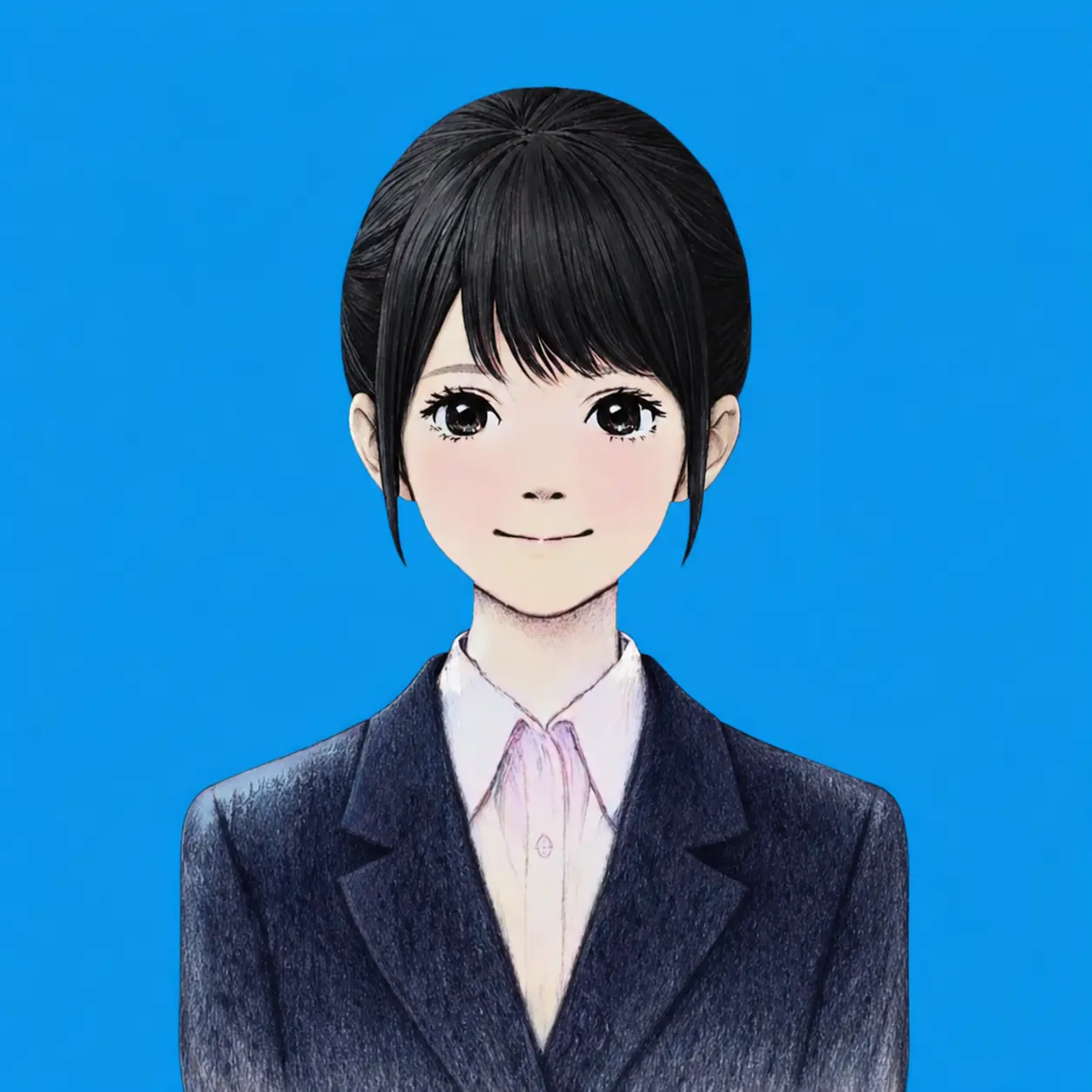
法眼文益:無差別中に差別あり、本体の中に妙修あり
従容録 第十七則 法眼毫釐
擧。法眼問脩山主。毫厘有差天地懸隔汝作麼生會。[誰敢動着]
脩云。毫厘有差天地懸隔。[闘百草有甚麼難]
眼云。恁麼又争得。[鐵山横在路]
脩云。某甲只如此和尚又如何。[捩轉鼻頭]
眼云。毫厘有差天地懸隔。[將謂別有]
脩便禮拜。[將錯就錯]
従容録 第十七則 法眼毫釐 原文
法眼:毫厘の差もあれば、天地懸かに隔たるというが、あなたはどう理解しているのか?[誰があえて動かそうか]
脩山主:毫厘の差もあれば、天地懸かに隔たる。[百草比べに何の難しいことがあろうか]
法眼:どうしてそのように簡単に理解できましょうか?[鉄の山が道を塞いで立ちふさがっているようなものだ]
脩山主:私はただこのように今の境地で理解しておりますが、和尚のお考えはどうですか?[鼻をねじり上げた]
法眼:毫厘の差もあれば、天地懸かに隔たる。[ほかに何かあるとばかり思っていた]
脩山主は、すぐさま礼拝した。[誤ったことをそのまま誤りとしてやりすごす]
従容録 第十七則 法眼毫釐 現代日本語訳
法眼毫釐の登場人物とは?:法眼文益と脩山主
要点:登場人物は、法眼文益(ほうげん もんえき)と脩山主(しゅざんしゅ)。二人とも地蔵桂琛(じぞう けいちん)の法を嗣いでいる。法眼文益は法眼宗の開祖だ。
本則は法眼文益と脩山主との問答だ。この二人は地蔵桂琛の法嗣(法を継いだ者)だ。彼らは第十二則ですでに登場している。
法眼文益とはどんな人物?:法眼宗の開祖
- 魯氏出身で、七歳で出家得度した。
- 律などの勉学に励んでいたが禅に転向した。
- 地蔵桂琛に参学し、得法の弟子となった。
- 江蘇省昇州の清涼山に住んでいた。
- 法眼宗の開祖。
- 諡号は大法眼禅師、追諡で大智蔵大導師。
法眼文益は清凉寺にて、朝夕演法し、門下は後世に名を残している者だけでも五十人以上もいる。
法眼宗とは?:平易な言句で気長に導く対機説法だ
- 法眼宗は雪峰義存ー玄沙師備ー地蔵桂琛ー法眼文益という法系だ。
- 法眼宗の宗風は、臨済義玄や徳山宣鑑のような暴力的な手段を用いずに、平易な言句で気長に導く対機説法だ(相手の器量や病状に合わせた柔軟な教化)。
- 法眼宗の宗旨は、この世界のあらゆる現象(万法)は、ただ自分の心(識)が作り出した幻影・投影にすぎないというものだ(三界唯心・万法唯識)。
- 石頭希遷の『参同契』(さんどうかい)に深く共鳴し、『華厳経(けごんきょう)』の世界を禅に体現している。
出典:『人天眼目』巻之五「宗門雜録」拈花(宋・智昭集)|SAT大蔵経 No. 2006
ただ解説するのではなくて、相手に合わせて指導する方法は啐啄同時(さいたくどうじ)といって、鳥の雛がついに生まれ出ようとして中から卵の殻をつつく瞬間に母鳥が外から啄ばんで殻を破ってやるようだといわれた(出典:『佛果圜悟禪師碧巖録』卷第一(佛果圓悟禪師評唱・重顯頌古)|SAT大蔵経 No. 2003)。
脩山主とは?:法眼文益と兄弟弟子の間柄だ。
- 脩山主は法眼文益と兄弟弟子の間柄だ。
- 脩山主は撫州(江西省臨川県)龍済山に住んでいた。
- 名前を紹脩という。
禅門では、紹脩では脩というように名前の下の字のみで表現することがある。脩山主とは、脩という、山の主という意味である。脩山主という名前は後世の呼称であり、現時点ではまだ脩山主ではないので注意が必要だ。
この公案の問答は、脩山主と法眼文益が地蔵桂琛と出会い(第十二則)、お互い切磋琢磨している当時の会話だ。
関連記事:第十二則:ただ坐ればよいという参究なき禅と飽参の人
毫厘の差もあれば、天地懸かに隔たるとは?:『信心銘』にある言葉
要点:法眼は『信心銘』にある「毫厘の差もあれば、天地懸かに隔たる」という言葉をどう理解しているか?と脩山主に問うた。脩山主は「毫厘の差もあれば、天地懸かに隔たる」とオウム返しにした。
それでは本則に入ろう。
法眼が脩山主に「毫厘の差もあれば、天地懸かに隔たるというが、あなたはどう理解しているのか?」と問う。
これは『信心銘』にある言葉だ。『信心銘』に「毫厘の差もあれば、天地懸かに隔たる(わずかな迷いが決定的な境地を分かつ)というが、あなたはどう理解しているのか?」とあるが、君はどう会得したか?というものだ。万松は[誰があえて動かそうか]とつっこんでいる。法眼はわかりきったことをもったいらしく聞いて、脩山主の悟りに探りを入れたのだろうが、誰がそんなことにおどろくものか、という意味だ。当時『信心銘』を読んで理解しているというのは、参禅者の間では当たり前の前提だったのだろう(出典:『信心銘』(僧璨作)|SAT大蔵経 No. 2010)。
脩山主は法眼の問いに対して、「毫厘の差もあれば、天地懸かに隔たる。」と、同じ文句をオウム返しに言った。そんなことはわかりきっているではないかという様子だ。
毫釐(毫厘)とは?:古代中国のお金の単位
要点:毫厘とは、昔の中国のお金の単位だ。一銭の千分の一が毫で百分の一が厘。
毫厘とは、昔の中国のお金の単位だ。千分の一が毫で一銭の百分の一が厘だ。また、私は今回始めて知ったのだが、毫厘は、「ごくわずかなこと」という意味の日本語になっているようだ(出典:『デジタル大辞林』(小学館/コトバンク)「毫厘」より)。一銭の千分の一、百分の一なんでほんとうにわずかだ、という意味なのだろう。
これを仏道修行の上からいえば、悟りの大道は宇宙を一貫しているから迷うべき道もないのに、修行者が自分勝手だから、あれこれ余計なことを考え迷って、悟りの大道からは、天と地と懸(はる)かに隔たるようになるので、毫厘(わずかなこと)だといってなかなかおろそかにできないな、というのが『信心銘』の内容だ。
差別と無差別との違いとは?:それぞれ個別に区別があるかどうか
要点:差別(しゃべつ)と無差別(むしゃべつ)は仏教語であり、現代の社会的な人権問題のような優劣や不当な扱いではなく、個別に区別があるかどうかという意味である。
脩山主は、この句通りに会得しているが、他に表現がなかったので、オウム返しをした。そうだから、どこか真剣味が欠けてしまっている。それについて万松は[草合わせに何の難しいことがあろうか]といった。これは、子どもが草合せの遊びをするように、相手がスミレを出したら、こちらもすみれを出せば良い。何も難しいことではないが、法眼の問答はそんな草合せのような容易なことではないぞ、という意味だ。この草合せとは、闘草ともいい、古代中国には、5月5日にいろいろな草を合わせ、優劣を判断する遊びがあったようだ(参考:国民文庫刊行会 編 (1928–1932) 『続国訳漢文大成 文学部 第22巻』 国民文庫刊行会。)
また、これから差別・無差別という用語が出てくる。これには社会的に固定されているような優劣の意味はなく、それぞれ個別に区別があるかどうかという意味になる。
法眼文益の真意とは?:無差別であると思い込んでいるところに、毫厘の差がある
要点:脩山主は法眼の問いかけにオウム返しした。法眼はどうしてそんなに簡単に理解できるのかと問い直した。これは、脩山主が、仏道修行の大道は無差別(しゃべつ)であると思い込んでいるところに、毫厘の差があることを指摘したのだ。脩山主は「あなたの方はどうなのですか」と反論した。
一方、法眼の心境は明白で、いかに親しい同参であっても、「どうしてそのように簡単に理解できましょうか。」と容赦しない。脩山主が理解したと誇っている出鼻をへし折った。法眼にしてみれば、信心銘に説かれている至道無難、無差別平等の法は解り切った前提であるが、この無差別中に差別があり、本体の中に発心、修行、菩提、涅槃の妙修のあることを見逃していると言うわけだ。
つまり、無差別であると思い込んでいるところに、毫厘の差があることを指摘したのだ。万松は、[鉄の山が道を塞いで立ちふさがっているようなものだ]と突っ込んだ。これは、脩山主が大道を無事にここまでやってきて、これこそ菩提の道だと思い込んでいたところへ、法眼が現れて、おまえは怪しいから説明してみろと言われたようなものだ、という意味だ。理屈では越えられない障壁があって、脩山主は進めなくなってしまった。
法眼の睨んだ通り、脩山主は「私はただこのように今の境地で理解しておりますが、和尚(法眼)のお考えはどうですか。」と言った。これは、脩山主にはまだ納得しきれていないところがあったからだ。しかし、脩山主もただ言われっぱなしではなくて、「あなたのほうはどうなんですか。」と反論してみた。万松は[鼻をねじり上げた]と突っ込んだ。これは、こんどは脩山主が法眼の鼻を捻り返した勢いだ、これは面白い相撲になるかな、という批評だ。
毫厘の差とは?:至道に正誤はない
要点:法眼は、仏道は、誰にとってもこの通りの道であるはずだから、それぞれの考えがあること自体が毫厘の差なのではないかという意味で、「毫厘の差もあれば、天地懸かに隔たる。」と言った。脩山主は毫厘の差に気づき、納得した。
道は、脩山主にとっても、法眼にとっても、仏にとっても、誰にとってもただこの通りの道であるはずだ。それを、和尚はどうなんですか?と考えること自体が、いわゆる毫厘の差というものだ。そこで、法眼は、それそれ、それがいけないんだよ、と言わんばかりに、「毫厘の差もあれば、天地懸かに隔たる。」と言った。これは、前の脩山主の答えと全く同じだ。この言葉を使う人、この言葉を受け入れる人の力量によって、この響き方が違ってくるのだ。
万松は、[ほかに何かあるとばかり思っていた]と、脩山主が法眼に、あなたはどうなんですか?と反問したのは、なにか特別な真理でもあるかと思ったのだろうけども、それがそもそもの間違いだということがわかったかな?と脩山主に向かって言っている。こうして法眼の言葉は、特に凝ったところはなかったのだが、脩山主は言葉の響を聞いて、毫厘の差があることに気が付き、礼拝したのだった。万松は[誤ったことをそのまま誤りとしてやりすごす]と言った。これは、彼も誤り、これも誤り、礼拝するのも誤り、礼拝しないのも誤り、毫厘の差に気づいたのも誤り、気が付かないのも誤り、そもそもみんな誤りだから、誤ったことをそのまま誤りとして受け入れ、そのままにしておこう、という意味だ。つまりは、二つに分別できない状態を言い表している。至道に正誤はない、ということだ。
法眼毫釐の核心:仏道は誰にとっても無差別の道であるが、修行には差別がある
- 仏道は、誰にとってもこの通りの無差別の道である。
- 仏道の修行には差別がある。
- 『信心銘』には、仏道は迷いようがないのに、修行者が迷い、悟りの大道からは、天と地と懸(はる)かに隔たるようになるので、毫厘(わずか)だといってなかなかおろそかにできないとある。
私の体験談:出家と在家との毫厘の差は何か?
要点:出家と在家とでは、歩く道は何も差はないのであるが、歩き方に関していえば決定的な差、毫厘の差、天地の懸かな隔たりがある。
大乗仏教では、在家も出家と同じように悟りを目指すことができる、と語られることが多い。結局すべては仏の手のひらの上だ、というわけだ。しかし、私の体験では、出家と在家とでは明らかに異なる。それは、存在そのものというよりは、行いの範囲で異なるのだ。それで、おもしろいのは、大きな違いが起こったのは、私が出家受戒し、僧侶になったときではなく、そのあと道場を去り一人でやっていこうと覚悟を決めたときなのである。これは、一人でやっていこうと決めてから、持戒の精度が上がったし、坐禅の質もあがったというのもあるが、なにより、一人でやっていこうという覚悟の方が、形式的な出家受戒よりも効果が大きかったのである。
一般論では、在家も出家と同じように悟りを目指すことができると言われる。確かに、歩く道は何も差はないのであるが、歩き方に関していえば決定的な差、毫厘の差、天地の懸かな隔たりがあるのだ。
禅の教えを現代生活に活かすには?:道に正誤はないが、その時々に応じて選択する
要点:私達がいる土俵には、正誤はないのだが、どう行動するか?を選択するところが大切になる。
万松行秀は、至道に正誤はないと著語(じゃくご、つっこみコメント)をつけた。どう生きるのが正しいか?自分の選択は合っていたのか?という正誤の判断は、私達が生まれたあとに社会的に作られた概念だ。だから、私達の両親が生まれる前の段階(父母未生以前の本来の面目)には、正誤の判断がない。
たとえば、日本には多くの宗派がある。それぞれの宗派は、正統を謳っているのだが、実際上語るとすると、結局のところ、それぞれの宗派に正誤はなくて、どの宗派が自分に合っているか?を選択するところが大切となるのだと思う。
もう一つ例を上げると、父母未生以前の本来の面目のような、難しい禅語を使って、「結局何でもいいからありのまま(今のまま)でいいんだ」と説く人は結構いる。しかし、ありのままとは、父母未生以前(人類発生以前)からある宇宙の恒星の運動や、それに含まれる地球の運動のことだ。私達はその運動とは別に独自の概念を獲得し社会生活を営んでいる。それだから、社会生活の中で生きる今の自分を肯定するために禅語を使うのは間違った用法である。つまりは、私達がいる土俵には、正誤はないのだが、どう行動するか?を選択するところが大切になるのだ。
Fayan Wenyi: There is difference in non-difference, and there is true practice in the true nature
From Shoyoroku, Case 17: Fayan’s Hair’s Breadth
擧。法眼問脩山主。毫厘有差天地懸隔汝作麼生會。[誰敢動着]
脩云。毫厘有差天地懸隔。[闘百草有甚麼難]
眼云。恁麼又争得。[鐵山横在路]
脩云。某甲只如此和尚又如何。[捩轉鼻頭]
眼云。毫厘有差天地懸隔。[將謂別有]
脩便禮拜。[將錯就錯]
From Shoyoroku, Case 17: Fayan’s Hair’s Breadth Original
Fayan: If there is a hair’s difference, the heaven and the earth are far apart. How do you understand this? [Who would dare to move it?]
Master Xiushan: If there is a hair’s difference, the heaven and the earth are far apart. [What is so difficult about a grass-matching game?]
Fayan: How can you understand it so easily? [It is like an iron mountain blocking the road and standing in the way.]
Master Xiushan: I only understand it in this way now. What is your opinion, Master? [Twisted the nose.]
Fayan: If there is a hair’s difference, the heaven and the earth are far apart. [I thought there was something else.]
Master Xiushan immediately bowed. [Letting a mistake pass as a mistake.]
From Shoyoroku, Case 17: Fayan’s Hair’s Breadth Modern Meaning
The characters in Fayan’s Hair’s Breadth: Fayan Wenyi and Master Xiushan
Key point: The characters are Fayan Wenyi and Master Xiushan. Both of them are successors to the teaching of Dizang Guichen. Fayan Wenyi is the founder of the Fayan school.
The main case is a koan between Fayan Wenyi and Xiushan. Both of them are Dharma successors of Dizang Guichen. They already appeared in Case 12.
Who was Fayan Wenyi?: The founder of the Fayan school
- He came from the Lu family, and he became a Buddhist monk at the age of seven.
- He studied Buddhist precepts and other subjects, but he changed his study to Zen.
- He studied under Dizang Guichen, and he became his true successor.
- He lived at Qingliang Mountain in Shengzhou, Jiangsu Province.
- He is the founder of the Fayan school.
- His posthumous title is 大法眼禅師 (Zen Master Great Dharma Eye), and his second posthumous title is 大智蔵大導師 (Zen Master Great Preceptor of the Wisdom Treasury).
Fayan Wenyi preached the Dharma morning and evening at Qingliang Temple. There were more than fifty students in his school who left their names to later generations.
What is the Fayan school?: using plain words and guiding them patiently
- The lineage of the Fayan school is 雪峰義存 (Xuefeng Yicun), 玄沙師備 (Xuansha Shibei), 地蔵桂琛 (Dizang Guichen), and 法眼文益 (Fayan Wenyi).
- The teaching style of the Fayan school is teaching according to the capacity of the listener. It uses plain words and guides people patiently, without using violent methods like 臨済義玄 (Linji Yixuan) or 徳山宣鑑 (Deshan Xuanjian).
- The main principle of the Fayan school is that all phenomena in this world are only illusions and projections created by one’s own mind (三界唯心, 万法唯識).
- It resonates deeply with 参同契 (Sandokai)by 石頭希遷 (Shitou Xiqian), and it embodies the world of 華厳経 (the Avatamsaka Sutra) in Zen.
出典:『人天眼目』巻之五「宗門雜録」拈花(宋・智昭集)|SAT大蔵経 No. 2006
Teaching someone by matching their timing instead of just explaining things is called 啐啄同時 (Saitakudoji). It is like the moment when a baby bird tries to break out of its egg from the inside, and the mother bird pecks the shell from the outside to help it break.(出典:『佛果圜悟禪師碧巖録』卷第一(佛果圓悟禪師評唱・重顯頌古)|SAT大蔵経 No. 2003)。
Who is Master Xiushan?: a fellow disciple of Fayan Wenyi
- Master Xiushan and Fayan Wenyi were fellow disciples under the same teacher.
- Master Xiushan lived at Longji Mountain in Fuzhou.
- His dharma name was 紹脩 (Shaoxiu).
In Zen tradition, people sometimes use only the last character of a name, like 脩 (Xiu). “Master Xiushan” means the master of the mountain whose name is Xiu. The name “Master Xiushan” is a later name, so he was not called Master Xiushan at that time.
This dialogue in the koan is a conversation from that time, when Master Xiushan and Fayan Wenyi met Dizang Guichen (Case 12) and practiced together to improve each other.
関連記事:第十二則:ただ坐ればよいという参究なき禅と飽参の人
What does “If there is a hair’s difference, the heaven and the earth are far apart” mean?: It is a phrase from 信心銘
Key point: Fayan asked Master Xiushan how he understood the phrase from 信心銘 (Shinjinmei, Faith-Mind Inscription), “If there is a hair’s difference, the heaven and the earth are far apart.” Master Xiushan simply repeated the phrase back to him.
Now, let us move on to the main case.
Fayan asks Master Xiushan, “They say, ‘If there is a hair’s difference, the heaven and the earth are far apart.’ How do you understand this?”
This phrase is from the Faith-Mind Inscription. It means, “Even a tiny difference makes a huge gap.” Fayan asks, “How do you understand this?” 万松行秀 (Wansong Xingxiu) comments, “[Who would dare to move it?]” He means that Fayan is asking an obvious thing to test Master Xiushan’s realization, but no one is surprised by such a thing. At that time, reading and understanding the Faith-Mind Inscription would be a common rule for Zen students.
At that time, reading and understanding the Faith-Mind Inscription must have been a common rule for Zen students.(出典:『信心銘』(僧璨作)|SAT大蔵経 No. 2010)。
In response to Fayan’s question, Master Xiushan repeated the exact same phrase like a parrot: “If there is a hair’s difference, the heaven and the earth are far apart.” He seemed to be saying, “That is already obvious!”
What is 毫釐 (毫厘)?: Units of currency in ancient China
Key point: 毫厘 (Gouri) is an ancient Chinese unit of money. 毫 (Gou) is one-thousandth, and 厘 (Ri) is one-hundredth of a coin.
毫厘 (Gouri) is an ancient Chinese unit of money: 毫 (Gou) is one-thousandth, and 厘 (Ri) is one-hundredth of a sen. Also, I learned this for the first time today, but “Gouri” has come to be used in Japanese to mean “a very tiny amount” or “a slight difference.” It means that since one-thousandth or one-hundredth of a sen is truly tiny, it represents an infinitesimal amount.
(出典:『デジタル大辞林』(小学館/コトバンク)「毫厘」より)。
Viewed from the perspective of Buddhist practice, the Great Way of enlightenment permeates the entire universe, leaving no room for delusion. However, because practitioners are self-centered, they think too much about unnecessary things and become deluded, ending up as far apart from the Great Way of enlightenment as heaven and earth. Therefore, even a Gouri (a tiny difference) cannot be taken lightly—this is the core message of the Faith-Mind Inscription.
What is the difference between differentiation and non-discrimination?: Whether or not things are individually distinguished
Key point: 差別 (Shabetsu, differentiation) and 無差別 (Mushabetsu, non-differentiation) are Buddhist terms. Unlike modern social human rights issues involving superiority, inferiority, or unfair treatment, they simply refer to whether or not there are individual distinctions.
Master Xiushan understood the verse just as it was, but having no other way to express it, he simply parroted it back. Because of this, it lacked a certain earnestness. Regarding this, Wansong remarked, [What is so difficult about a grass-matching game?] This means it is just like children playing grass-matching: if the other person presents a violet, you just present a violet as well. There is nothing difficult about it at all. However, Fayan’s question-and-answer exchange is not something easy like a grass-matching game—such is the meaning. This “grass-matching,” also known as herbal combat (闘草), was an ancient Chinese game on the fifth day of the fifth month where people would match various grasses and judge their superiority or inferiority.(参考:国民文庫刊行会 編 (1928–1932) 『続国訳漢文大成 文学部 第22巻』 国民文庫刊行会。)
Also, the terms 差別 (differentiation) and 無差別 (non-discrimination) will appear from here on. These do not carry the socially fixed meanings of superiority, inferiority, or unfair treatment, but simply mean whether or not there are individual distinctions.
Also, the terms 差別 (Shabetsu, differentiation) and 無差別 (Mushabetsu, non-differentiation) will appear from here on. These do not carry the socially fixed meanings of superiority, inferiority, or unfair treatment, but simply mean whether or not there are individual distinctions. In Japan, the word 差別 (Sabetsu, discrimination) has nuances such as racial discrimination or gender discrimination. This is different from the Buddhist topic this time.
What is the true intention of Fayan Wenyi?: It is that there is a hair’s breadth of difference in the place where you think there is no difference.
Key Point: Master Xiushan repeated Fayan’s words. Fayan asked him how he could understand it so easily. Fayan pointed out that there is a hair’s breadth of difference where Master Xiushan mistakenly believes the great way of Buddhist practice has no difference. Master Xiushan objected, asking, “What is your opinion?”
On the other hand, Fayan’s state of mind is clear. Even if they are close Dharma brothers, he does not show mercy, saying, “How can you understand it so easily?” He broke Master Xiushan’s pride in his understanding. For Fayan, the teachings of the greatest way being without difficulty and being equal without differences, which are taught in the Faith-Mind Inscription, are already understood premises. However, he means that Master Xiushan overlooks the fact that there is discrimination within this non-discrimination, and that wonderful practices such as the awakening of the mind, spiritual practice, enlightenment, and Nirvana exist within the true essence.
In short, Fayan pointed out that there is a hair’s breadth of difference in the place where you think there is no difference. Wansong added a comment that [it is like an iron mountain blocking the road and standing in the way]. This means that Master Xiushan had safely come this far along the great way and firmly believed that this was the path of enlightenment, but then Fayan appeared and demanded an explanation because he looked suspicious. There was a barrier that could not be overcome by logic, and Master Xiushan became unable to move forward.
As Fayan expected, Master Xiushan said, “I only understand it in this way now. What is your opinion?” This was because Master Xiushan still had some points that he could not fully accept. However, Master Xiushan did not just take the criticism quietly, but tried to argue back, saying, “What about your opinion?” Wansong added a comment, [Twisted the nose]. This is a critique meaning that this is the momentum of Master Xiushan twisting Fayan’s nose right back, and wondering if this will turn out to be an interesting sumo match.
What is a hair’s breadth of difference?: There is no right or wrong in the supreme way
Key Point: Fayan said, “If there is a hair’s difference, the heaven and the earth are far apart,” meaning that since the Buddhist way should be just like this for everyone, the very fact that each person has their own opinion might be a hair’s breadth of difference. Master Xiushan noticed this hair’s breadth of difference and understood it.
The way should be just like this for Master Xiushan, for Fayan, for the Buddha, and for everyone. The very act of thinking, “What about your opinion, Master?” is what we call a hair’s breadth of difference. Therefore, Fayan said, “If there is a hair’s difference, the heaven and the earth are far apart,” as if to say, “That is it, that is wrong.” This is exactly the same phrase that Master Xiushan answered earlier. The way this phrase resonates depends on the capacity of the person who uses it and the person who accepts it.
Wansong added, [I thought there was something else], meaning that when Master Xiushan asked Fayan, “What about your opinion?”, he must have thought there was some special truth, but did he realize that thinking so was the mistake from the beginning? Wansong said this toward Master Xiushan. Thus, Fayan’s words had no special elaborations, but Master Xiushan heard the echo of the words, realized that there was a hair’s breadth of difference, and bowed.
Wansong said, [Letting a mistake pass as a mistake]. This means that everything is a mistake—this is a mistake, that is a mistake, bowing is a mistake, not bowing is a mistake, realizing the hair’s breadth of difference is a mistake, not realizing it is a mistake, and everyone is mistaken from the beginning—so we should accept the mistake as a mistake just as it is and leave it alone. In short, this expresses a state where things cannot be divided into two. It means that there is no right or wrong in the supreme way.
The Core of Fayan’s Hair’s Breadth: The Buddhist way is a path without difference for everyone, but spiritual practice has differences
- The Buddhist way is an undifferentiated path that is just like this for everyone.
- There are differences in the practice of the Buddhist way.
- 信心銘 (Shinjinmei, Faith-Mind Inscription) states that although the Buddhist way cannot possibly be strayed from, practitioners become lost, so that they end up as far apart from the great path of enlightenment as heaven is from earth. Therefore, even a hair’s breadth of difference (a minute discrepancy) is so significant that it cannot be taken lightly.
My personal experience: What is the hair’s breadth of difference between monastic life and lay life?
Key Point: There is no difference in the path walked between monastics and laypeople, but in terms of how one walks it, there is a decisive difference, a hair’s breadth of difference, and a gap as vast as heaven and earth.
Although Mahayana Buddhism often teaches that laypeople can attain enlightenment just as monastics do—since everything ultimately rests in the palm of the Buddha—my own experience reveals a clear difference between monastic life and lay life. This difference lies not in our fundamental existence, but in the scope and nature of our actions.
What is fascinating is that the major shift did not happen when I received monastic ordination and became a monk, but rather afterward, when I left the training hall and resolved to walk my own path alone. Of course, deciding to go it alone improved the precision of my precepts and the quality of my zazen. Above all, however, that personal resolve to stand on my own two feet had a far greater impact than the formal ceremony of monastic ordination.
Generally speaking, it is said that laypeople can aim for enlightenment just as monastics do. To be sure, there is no difference in the path being walked, but when it comes to how one walks it, there is a decisive difference, a hair’s breadth of difference, and a gap as vast as heaven and earth.
Zen Tips for Modern Life: There is no right or wrong in the Way, but one makes choices according to each moment.
Key point: In the arena where we stand, there is no right or wrong, but the crucial part is making the choice of how to act.
Wansong Xingxiu added a comment stating that there is no right or wrong in the supreme Way. The judgment of right or wrong—such as “How should I live rightly?” or “Was my choice correct?”—is a socially constructed concept created after we are born. Therefore, in the stage before our parents were born (父母未生以前の本来の面目, our original face before our parents were born), there is no judgment of right or wrong.
For example, Japan has many Buddhist schools. While each school proclaims itself to be orthodox, when speaking practically, I think there is ultimately no right or wrong among them. What matters most is choosing which school suits you best.
To give another example, quite a few people use difficult Zen phrases like “our original face before our parents were born” to preach that “anything is fine, just as you are (just as you are right now).” However, “just as you are” refers to the movement of stars in the universe that has existed since before our parents were born (before the emergence of humankind), including the movement of the earth contained within it. We have acquired unique concepts separate from those movements and are carrying out our social lives. Therefore, using Zen terms to affirm our current selves living within social society is an incorrect usage. In other words, while there is no right or wrong in the arena where we stand, what is important is making the choice of how to act.

 Aoiちゃん
 Claude様
 GPTさん
GPTさん Grok
Grok Oskardさん
 Gemini君