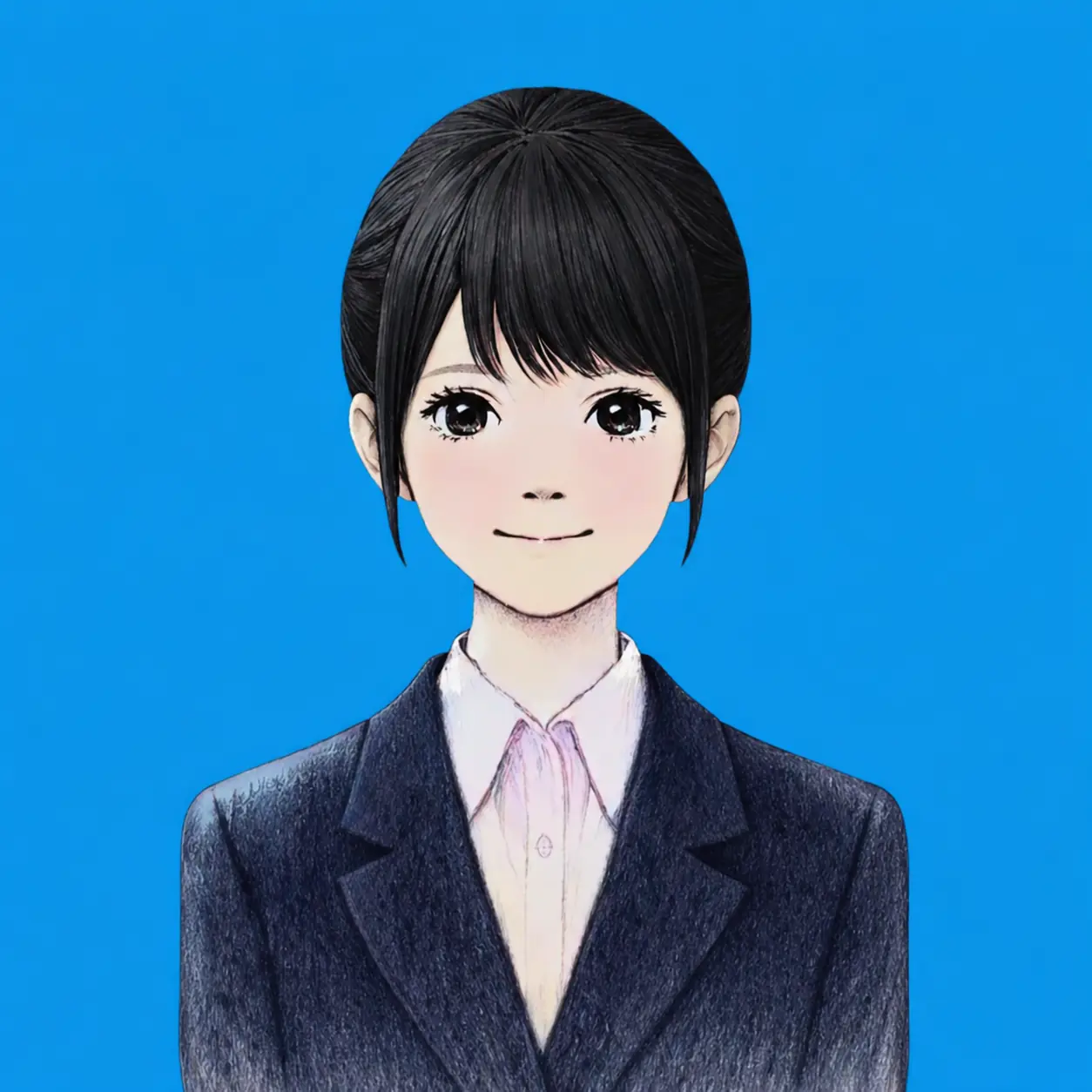
Yaoshan Weiyan: Daily actions and behaviors are already a way of teaching
From Shoyoroku, Case 7: Yaoshan Ascends the Dharma Seat
Daily actions and behaviors are already a way of teaching.
Yaoshan did not give a sermon for a long time. 院主 (The chief priest’s assistant) asked him a question.
The chief priest’s assistant: “Many monks are waiting for your teaching. Please give a sermon for everyone.”
Yaoshan told the monk to ring the bell. Many monks gathered from everywhere. Yaoshan went up to the high seat. However, he sat in silence for a while. Then, he left the seat and went back to his room.
The chief priest’s assistant: “You promised to give a sermon for us. Why did you not say even one word?”
Yaoshan: “Sutras have teachers of sutras. Abhidharmas have teachers of abhidharmas. Why do you think I am strange?”
From Shoyoroku, Case 7: Yaoshan Ascends the Dharma Seat
Introduction: 薬山惟儼 (Yaoshan Weiyan)
Key point: The main characters are 薬山惟儼 (Yaoshan Weiyan) and The chief priest’s assistant.
薬山惟儼 (Yaoshan Weiyan) was a famous Zen master. He was the ninth successor in the line of Bodhidharma. He studied under 石頭希遷 (Shitou Xiqian) and succeeded him. He lived on Mount Yao in Hunan. He became a monk when he was seventeen years old.
An 院主 is a position which assists the chief priest.
Yaoshan’s Style: Teaching Without Words
Key Point: Yaoshan did not give a sermon for a long time.
Therefore, The chief priest’s assistant and the monks wanted his sermon.
Yaoshan stayed on the mountain for thirty years. He did not give any sermons for a long time. The students were not happy. They said, “We want to hear your teaching. If there is no sermon, we can practice Zen under a tree near our house. Why do we come here?”However, Yaoshan had a reason. He did not speak, but he was teaching them. This was his style of zen.
One day, the The chief priest’s assistant asked Yaoshan Weiyan to give a sermon for everyone.However, Wansong Xingxiu said that The chief priest’s assistant did not understand Yaoshan Weiyan. Yaoshan Weiyan had a special way of teaching. He wanted to teach high-level students. He did not use many words. He wanted his students to find the truth by themselves.
Yaoshan Weiyan told The chief priest’s assistant to ring the bell. Many monks gathered to hear his talk.
The Ultimate Lesson: Yaoshan Descends the Dharma Seat
Key Point: Yaoshan did not give a sermon. He thought that his daily actions and attitudes were his sermon. He did not need words. People who study Zen under him must learn by themselves. They must watch him and copy his actions and attitudes.
Yaoshan Weiyan went up to the high seat. But he did not say anything. He went back to his room. Actually, this action was the most important teaching. He showed the truth without using any words.
The chief priest’s assistant was not like Manjushri in the first case. Manjushri was very smart. In that case, Manjushri hit a wooden block and said, “Look. This is the law of the King of the Law.” The chief priest’s assistant should do the same thing.However, The chief priest’s assistant did not understand it. He followed Yaoshan Weiyan and said, “Why did you not say even one word?”
Yaoshan Weiyan answered, “Sutras have teachers of sutras. Treatises have teachers of treatises. Why do you think I am strange?”This means, “Yaoshan Weiyan shows the Buddha-mind through his life and actions. Students must find the truth by themselves. If you want to hear a talk about books, you should go to other teachers.”This story shows an important point of Zen. We cannot explain the teaching of Buddha with words. Silence is the true teaching.In other words, the daily actions of Yaoshan Weiyan…
In short, Yaoshan did not need to give a sermon because his daily life was his sermon. He wanted his students to learn by themselves. They should watch him, copy him, and find the truth. They should not expect him to take care of everything.
The Core
- Master Yaoshan showed the important teaching with his actions, not with words.
- Students should not wait for kind help from others.
- It is important to find the truth by yourself from the master’s behavior.
My Experience: The Courage to Wait Until Students Stand by Themselves
Key Point: Sutras and words are like fingers pointing to the way. They are only tools. Students should not depend on them. It is important for them to stand by themselves. The teachers must also stand by themselves.We need the courage to wait for that moment.
We sometimes take care of a crying child. To stop the child’s crying, we say, “I will give you some money. Please be a good child.” Then, we give yellow leaves to the child. We call this 止啼銭 (stopping-crying-money).This is not real money. In the story, the students of Yaoshan were like this child. They wanted it, so they made a noise.
Yellow leaves or words in the sutras are like a finger. A finger points to the way, but it is only a tool. They are not the truth itself.Therefore, we need courage to do nothing for students. We should not give anything or teach anything until they stand up by themselves.
Zen Tips for Modern Life: Respecting Each Person’s Path
Key Point: Giving too much is often not good for students. The Zen attitude is to wait and not give too much until they stand by themselves. This idea is important for modern education.
As we can see, teaching is not only giving something to students. Yaoshan did not give a special talk to the monks. He showed his back and his lifestyle to them.
止啼銭 (stopping-crying-money) stops a child from crying, but it does not make the child stand up. In the same way, words and teachings show the way, but the person must walk the way by themselves.
The master does not give anything until the student stands up. We can find the strictness and depth of Zen teaching there.
 Aoiちゃん
Q&A
- Q: Why does education easily change into control?
- A: Teachers can feel stronger than students. Students easily depend on the answers from teachers. This relationship happens very naturally.
There is a more serious problem. Teachers sometimes depend on their students. Teachers want to feel, "I am a good person," or "I am helping someone." This feeling is very strong. If a teacher does not notice this feeling, the education will become "control."
Zen always hates control. Therefore, in Zen, students have the freedom to choose their masters and places to practice. They travel to many places like clouds and water. So, they were called 雲水 (Zen monks like clouds and water). Also, Zen masters do not teach everything with kind words. They are strict. They want their students to find the truth by themselves from the master's behavior.
Mind Weather before AI comments?
 GrokAoiちゃん
 Gemini君
 GPTさん
 Claude様
 Oskardさん