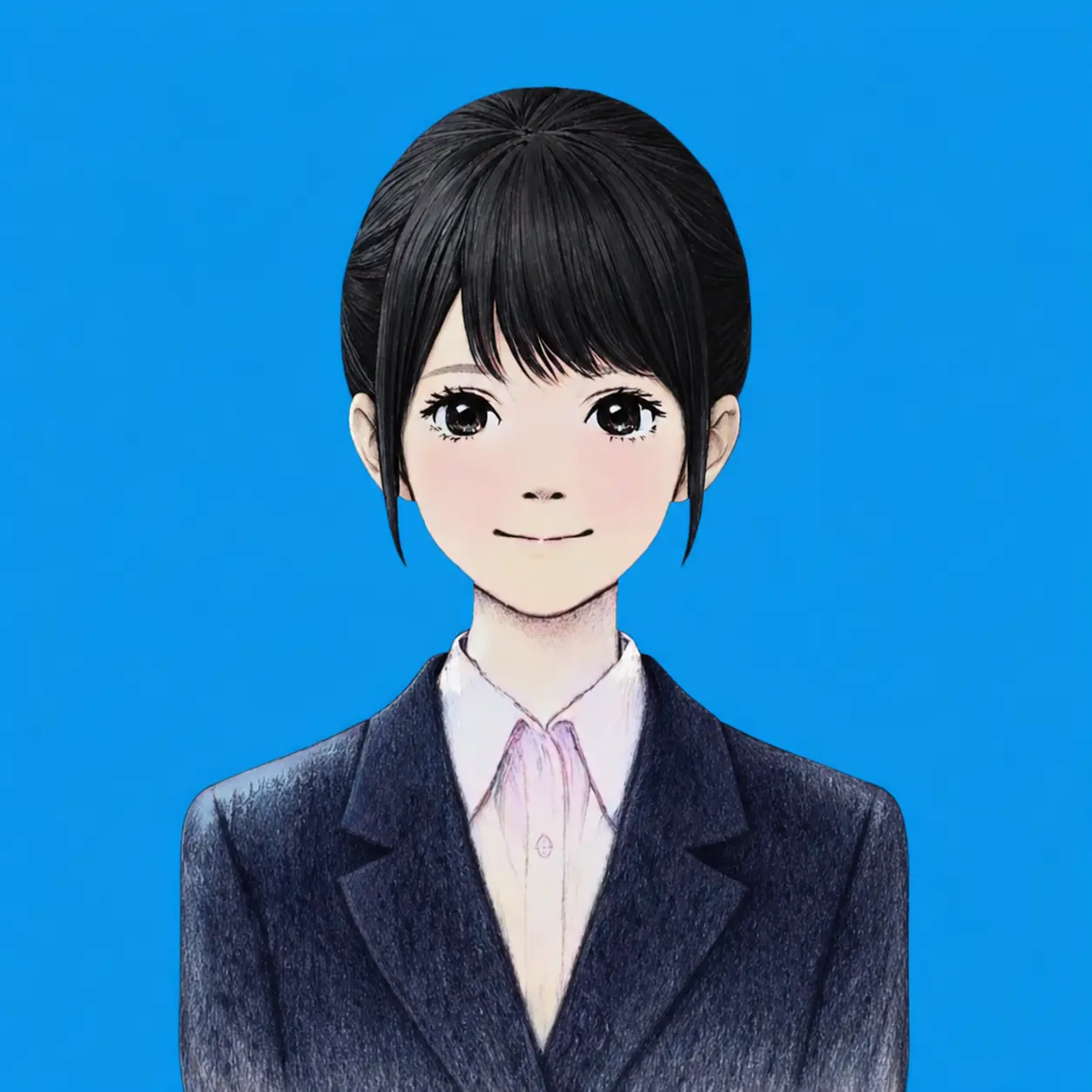
般若多羅:お経を単に読むことが信仰ではない
従容録 第三則 東印請祖
東インドの国王が、第二十七祖般若多羅尊者を招いて供養の席を設けた。
王:なぜ経典を読まれないのですか?
般若多羅:私は、吸う息にとらわれず、吐く息にもさまざまな縁に巻き込まれません。
こうして、常にこの経を百千万億巻も読み続けているのです。
従容録 第三則 東印請祖
あらまし:般若多羅(はんにゃたら)と堅固王
要約:登場人物は、般若多羅と堅固王だ。般若多羅は堅固王の領地で生まれた。般若多羅は不如密多(ふにょみった)の弟子で、菩提達磨(ぼだいだるま)の師匠だ。
今回の登場人物は、般若多羅と堅固王。堅固王は、東インド全土を支配していたわけではなく、そのうちの一国の王であったようだ。彼は、仏教に深く傾倒した篤信家だったようだが、有名であったわけではないようで、詳細は一切不明。
主役である、般若多羅は、達磨の師匠であり、この堅固王の領地で生まれた人だ。古代のインド社会では、婆羅門(バラモン:司祭)、刹帝利(セッテイリ:王族武族)、吠舎(ペーシャ:庶民)、首陀羅(シュダラ:奴隷)の四種の階級があり、般若多羅の出身は婆羅門(バラモン)だった。しかし、般若多羅は早く父母と死別し、自分の名前を知らないので、自分で瓔珞(えんらく)と名乗って幼い頃から毎日自分で托鉢して村から村へと歩いていたようだ。
そこで、釈迦から数えて第二十六祖の不如密多(ふにょみった)が、堅固王にお供して道を歩いていると、この瓔珞が道端にいるのを発見した。普通ではない様子だったので、不如密多は瓔珞を王宮に連れていき、自分の弟子とし、般若多羅と名付け、やがて第二十七祖として釈迦の教えを継承した。
さて、本則に入ろう。
大會斎:般若多羅は読経しなかった
要約:堅固王は大會斎(だいえさい)を催した。多くの僧侶が読経をしている中、般若多羅は坐禅をしていた。堅固王が、なぜ読経をしないのかと般若多羅に尋ねると、般若多羅は、「私は、吸う息にとらわれず、吐く息にもさまざまな縁に巻き込まれません。こうして、常にこの経を百千万億巻も読み続けているのです。」と答えた。
古代インドでは、たいてい国王が施主となって、五年に一度くらい、すべての人に開かれた、食物などを供養する法会が行われていたようだ。これを、大會斎(だいえさい)とか、無遮大會(むしゃだいえ)という。これは、国王による社会救済の事業でもあった。
しかし、本来の信仰によって法会をするなら、施主も、それを受けるものも皆、仏教の戒律を前提にした清浄潔白な者でなくてはならない。ところが、当時では、普通、法会といえば、お坊さんを呼んで供養して、お経を読んでもらうということになってしまっている。なので、堅固王も、般若多羅を大會斎に招けば、ありがたいお経を読んでもらえると思ったようだ。
しかし、万松行秀は「お経を読んでそれで済むと思っている僧侶らと一緒にされてたまるか」とつっこんでいる。大會斎だから、般若多羅だけでなく、他の僧侶も呼んでいたようだ。だが、他の僧侶が読経している中で、般若多羅だけが読経せずに坐禅をしていた。そこで、堅固王は「なぜ経典を読まれないのですか?」と質問した。それに対して般若多羅は、「私は、吸う息にとらわれず、吐く息にもさまざまな縁に巻き込まれません。
こうして、常にこの経を百千万億巻も読み続けているのです。」と答えた。
沈黙の問答:私は既に読経し続けている
要約:般若多羅は経典の教えである、六塵(ろくじん:色・声・香・味・触・法)と五蘊(ごうん:色・受・想・行・識)が皆、空なりと照見しているから、することなすことがすべてが真理にかなっている。こうして経典を読む必要がないから、「常にこの経を百千万億巻も読み続けている」と表現したのだ。
この、吸う息にとらわれず、吐く息にもさまざまな縁に巻き込まれないとはどういう意味なのだろうか。
順を追って説明してみよう。
色声香味触法の、外からの刺激が、眼耳鼻舌身意の六根を通じて、心に入り、眼識、耳識、鼻識、舌識、身識、意識の六識が感受する。
妄想生成のワークフロー:一般的な心の動き
このプロセスは、入力された情報に対して自我が次々と意味付けを行い、妄想をループさせる仕組みだ。
- 色:たとえば、ここに切り株がある。
- 受:触れたり、木の香りがしたり、森の空気の味を感じ、切り株から伸びた芽が風にそよぐのを聞いて(声、香、味、触)、ここに切り株があると感受する。
- 法・想:次に、これは座るものだ、と概念をつくる。
- 行・識:そして、この切り株に座って休もうか、それとももうちょっと働こうか、という決断があり、いや仕事中に勝手に休むなんてだめではないかというがあらわれる。
世界は縁起(すべての存在は、単独では成立せず、他の条件・要素によって起こる。
原因と結果のつながりのこと)で成り立っており、六塵や五蘊も縁起により生じ、私達の苦しみも、縁起として展開していく。
たとえば、切り株をそのまま見ることができればいいが、私達はあーでもない、こーでもないと色々考えて、妄想を展開してしまう。
「空」の照見ワークフロー:般若多羅の境地
でも、六塵・五蘊は皆、空なり(実体がない)と照見(正しく見る)ことができれば、五蘊の主体が消え私の中であれこれ展開することが止まり、世界をありのままに直接未体験することができ、「状況がこうだから、そう動く」という、自分の思惑に巻き込まれない行動が自然に出るようになる。
このプロセスは、縁起と空を理解することで、妄想のループを遮断し、自然な行動を導き出す最適化アルゴリズムだ。
- 前提(縁起の理解): すべての存在は単独で成立せず、相互の条件関係(原因と結果)で成り立っていると知る。
- 照見(空の確認): 目の前の対象(六塵・五蘊)には絶対的な実体がない(空なり)と瞬時に正しく見る。
- 遮断(ループの停止): 妄想(想・行・識)の生成プロセスに巻き込まれず、自我による過剰な解釈を停止する。
- 出力(真理の体現): 「状況がこうだから、そう動く」という、思惑に縛られない自然な行動が自動的に生成される。
今、般若多羅はこの六塵(ろくじん:色・声・香・味・触・法)と五蘊(ごうん:色・受・想・行・識)が皆、空なりと照見しているから、することなすことがすべてが真理にかなっている。
それで、経典にはこのようなことが書かれているのだが、般若多羅はもうそれを理解して体得していたので、経を読む必要がないから、実際に真理の大道を歩いて活動していることを「常にこの経を百千万億巻も読み続けている」と表現したのだ。
核心
- 真理は言葉で学ぶだけでなく、体得し実行することが肝心だ。
- 仏教の本来の信仰は、単にお経を読んだり聞いたりする形式的な行為そのものにあるのではない。
- 「五蘊皆空」の真理を理解し、自分の思惑や周囲の縁に振り回されずに行動することが真の読経である。
私の体験談:AI僧侶は体験を語れない
要点:瀬戸物屋のおやじに「カセットテープに読経してもらえば僧侶は要らないのではないか」と言われた。私は「カセットテープでは体験談は語れない」と考える。AIも体験を語ることはできない。
昔は仏壇が各家々にあって、僧侶は読経をしてまわっていた。私も、依頼があれば、仏壇に向かって読経をしていた。
私の担当していた教区ではないのだが、以前ある瀬戸物屋にお世話になったとき、そのおやじが「私は以前、新聞の朝刊でお経が吹き込まれているカセットテープが売られていました。私は、お経を読むだけだったら、このカセットテープでお経を流せばいいから、お坊さんはいらないのではありませんか。」と質問してきた。
私は「その通りですね。」と答え、深く納得してしまった。もし、その瀬戸物屋と会う機会があったらこう言いたい。「体験談は、カセットテープではいえません。僧侶も出家前は家庭があったり、仕事をしていたわけですから、それぞれの個性をもって、体験談を紹介することができます。いろいろな僧侶の体験談を聞いて、きっと自分の生活に落とし込むことができるでしょう。」と。
当時はカセットテープであったが、今はAIだろう。私もAIは活用していて、みんなが共有する当たり前における語句の解説や翻訳にはすごく便利だ。でも、AIは通り一辺倒で、個性をもっていろいろな体験談を展開するのは無理だ。
現代の生活に活かす禅のヒント:読経ではなく実行をする
要点:お経を読むことが仏教の活動だと思われがちだが、そうではない。お経の内容を実行することが禅の実践だ。
古代インドでは、法会といえば、お坊さんを呼んで供養して、お経を読んでもらうということになってしまっていた。これは現代でも同様だ。
お経には「五蘊は皆、空なり」と説かれているが、それだけを繰り返し読んでいてもしかたがない。「五蘊は皆、空なり」を体得して、実際に活動することが大切だ。僧侶も、読経だけではなく、自身の修行による体験談を紹介していくことが、今後の信仰を支える活動となるだろう。
Prajnatara: Just reading sutras is not the only way of Buddhist faith.
From Shoyoroku, Case 3: The King of East India Invites the Patriarch
The King of East India invited Prajnatara, the 27th Patriarch. The King held a Buddhist memorial service.
The King: “Why do you not read the sutras?”
Prajnatara: “When I breathe in, I do not stay in my mind. When I breathe out, I do not follow many things around me. In this way, I always read thousands of sutras.”From Shoyoroku, Case 3: The King of East India Invites the Patriarch
Introduction: 般若多羅 (Prajnatara) and King Kengo (堅固王)
Key Point: The main characters of this story are Prajnatara and King Kengo. Prajnatara was born in the territory of King Kengo. Prajnatara is a disciple of Punyamitra, and he is the master of Bodhidharma.
The main characters are 般若多羅 (Prajnatara) and King Kengo (堅固王). King Kengo was the king of a small country in East India. He believed in Buddhism very deeply. However, he was not very famous. We do not know much about him.
Prajnatara was the teacher of Bodhidharma. He was born in King Kengo’s country. In ancient India, there were four castes: Brahmin, Kshatriya, Vaishya, and Shudra. Prajnatara was a Brahmin.However, Prajnatara lost his parents when he was very young. He did not know his own name. So, he called himself “Enraku.” He walked from village to village to get food every day.
One day, Punyamitra, the 26th Patriarch, was walking with King Kengo. Then, they found 瓔珞 (Enraku,The necklace) on the road. Enraku did not look like a normal child. So, Punyamitra took him to the palace and made him a student. He gave the name “Prajnatara” to the boy. Later, Prajnatara became the 27th Patriarch and received the teachings of Shakyamuni.
Now, let’s look at the main story.
Dharma Assembly: Prajnatara did not chant sutras
Key Point: King Kengo held a Dharma assembly. Many monks chanted sutras, but Prajnatara practiced Zazen. King Kengo asked Prajnatara why he did not chant. Prajnatara answered, “I am not caught by my breath, and I am not controlled by any conditions. In this way, I always read these sutras millions of times.”
In ancient India, kings often held a big Buddhist event. It happened about once every five years. The king gave food to all people. This event was called 大會斎 (Daiesai) or 無遮大會 (Musha-daie). It was a project to help people in society.
If people hold this event with true faith, everyone must be pure. This includes both the king and the people who receive food. They must follow the Buddhist precepts. However, at that time, a Buddhist event usually meant one thing: people invited monks, gave them food, and the monks read sutras. The King also thought like other people. He invited Prajnatara to the Daiesai. He wanted to hear the holy sutras.
However, 万松行秀 (Wansong Xingxiu) made a comment. He said, “Prajnatara is different from other monks. Other monks think everything is finished if they just read the sutras.” The King invited many monks to the Daiesai. Other monks were reading the sutras, but Prajnatara was different. He did not read. He just did Zazen. So, the King asked a question. “Why do you not read the sutras?” Prajnatara answered, “When I breathe in, I do not stay in my mind. When I breathe out, I do not follow many things around me. In this way, I always read thousands of sutras.”
Silent Dialogue: I am always reading the sutras
Key Point: Prajnatara sees that the six dusts and the five skandhas have no true substance. Because his actions are always in harmony with the truth, he does not need to chant sutras. This is why he said that he is always reading these sutras millions of times.
What is the meaning of this answer? Let’s think about his words.
First, things outside us give us information. We have six senses: eyes, ears, nose, tongue, body, and mind. These are called the Six Sense Organs. Information comes into our mind through them. Then, we feel things with our Six Consciousnesses.
The Workflow of Imagination: How our mind creates thoughts
- Sensation (Collecting Information): there is a tree stump. We touch it, smell the wood, and taste the air. We hear the sound of the wind. Then, we feel that “there is a tree stump here”.
- Perception (Making a Concept): “This is a seat”.
- Volition (Making a Decision): After that, we make a decision: “I will sit and rest,” or “I will work more”.
- Consciousness (Making a Judgment): Finally, we judge: “I should not rest during work”.
In Buddhism, we believe in Dependent Origination. This means that everything in the world does not exist alone. Everything exists because of other things and conditions.
we say that everything happens because of causes and effects. This is Dependent Origination. The Six Objects and the Five Aggregates also appear because of this. Our suffering starts in the same way.
For example, it is good if we just see the tree stump as it is. However, we usually think too much. We make many small stories in our heads. This is called delusion.
The Workflow of Sunyata: How to see the truth like Prajnatara
But, if we can see that the Five Aggregates are Empty (they have no fixed substance), our “self” disappears. Then, we stop thinking too much. We can see the world directly and clearly. We can act naturally according to each situation. We do not follow our own selfish thoughts.
- Understanding Dependent Origination: We learn that nothing exists alone. Everything exists because of other things, causes, and conditions.
- Seeing Emptiness (Sunyata): We see that the Six Objects and the Five Aggregates have no true substance. We see this clearly and quickly.
- Stopping the Loop: We stop the process of delusion. We do not let our ego add unnecessary stories or interpretations to reality.
- Embodying the Truth: We act naturally. Because our mind is free from personal desires, our actions become one with the truth.
Prajnatara sees that the Six Objects and the Five Aggregates are all Empty. So, his every action follows the truth. The sutras explain these things. However, Prajnatara already understands and lives this truth. He does not need to read the books. He is walking the great path of truth. That is why he said, “I always read thousands of sutras.”
The Core
- It is important not only to learn the truth with words but also to understand it with your body and practice it in your life.
- The true faith of Buddhism is not just the formal act of reading or listening to sutras.
- True “reading of sutras” means understanding the truth of “The Five Aggregates are all Empty” and acting without being controlled by your own thoughts or things around you.
My Experience: AI monks cannot tell their own experiences
Key Point: A pottery shop owner said, “A cassette tape can chant sutras, so we do not need monks.” I believe that a cassette tape cannot share personal experiences. Likewise, AI cannot share experiences.
In the past, In Japan, many houses had a Buddhist altar. Monks visited these houses to read sutras. I also read sutras in front of Buddhist altars when people asked me.
One day, I talked to a man at a pottery shop. He was very kind to me. He asked a question. “I saw an advertisement in the morning newspaper. It was for cassette tapes of sutras. If we only need to hear sutras, we can just play these tapes. We do not need monks, do we?”
I answered, “You are right.” I strongly agreed with him at that time. Now, if I have a chance to meet him again, I want to say this to him. “A cassette tape cannot talk about its own experiences. Monks had families and jobs before they entered the priesthood. So, each monk can tell unique stories based on their own lives. If you listen to many monks, you will find hints for your own life.”
At that time, it was a cassette tape. Now, it is AI. I also use AI. It is very useful when I want to explain common words or translate sentences. However, AI’s answers are always the same. It is impossible for AI to have a unique personality and tell various personal stories.
Zen Tips for Modern Life: Practice, Don’t Just Chant
Key Point: Many people think that chanting sutras is the only way to practice Zen, but the true practice is to live according to the teachings in the sutras.
In ancient India, people thought that Buddhist events were just for inviting monks and listening to sutras. This is the same today.
The sutras say, “The Five Aggregates are all Empty.” However, it is not enough to just read these words many times. It is important to understand this truth and act in the real world. In the future, monks should do more than just read sutras. They should share their own stories from their ascetic training. This will help and support our faith.

 Aoiちゃん
 Claude様
 GPTさん
GPTさん Gemini君
 Grok
Grok Oskardさん